Mobile network to detect drones
10. August 2026
3. July 2026
Millimetres and grams make all the difference. Whether a projectile hits its target depends on exact dosing, precise production, and a high level of craftsmanship. A search for traces through the history of Europe’s largest munitions manufacturer, Rheinmetall.
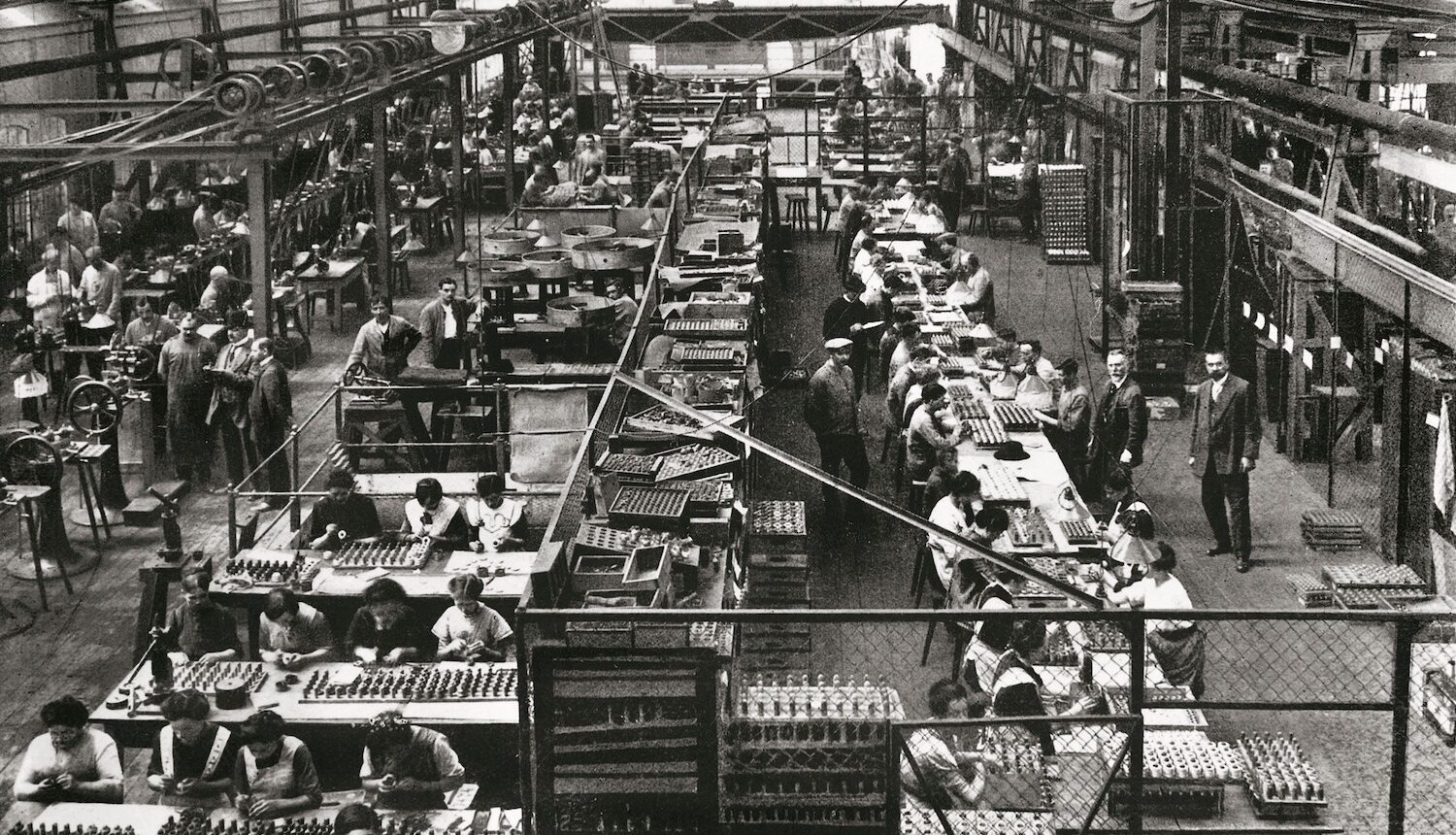
The Paris World’s Fair celebrated the Eiffel Tower. Meanwhile, Düsseldorf was making industrial history. On 13 April 1889, the newly founded Rhine Metal Goods and Machinery Factory received its first order: a jacketed bullet for a 7.92 mm small bore rifle. Delays in the delivery of machinery from England almost forced the young company to shutdown its business. After mass production of the innovative ammunition finally began five months later, the first batch of 20,000 rounds left the rented factory premises on Talstrasse just a few days later. From 1890 onwards, production took place at the newly built factory in Derendorf.
Steel giant
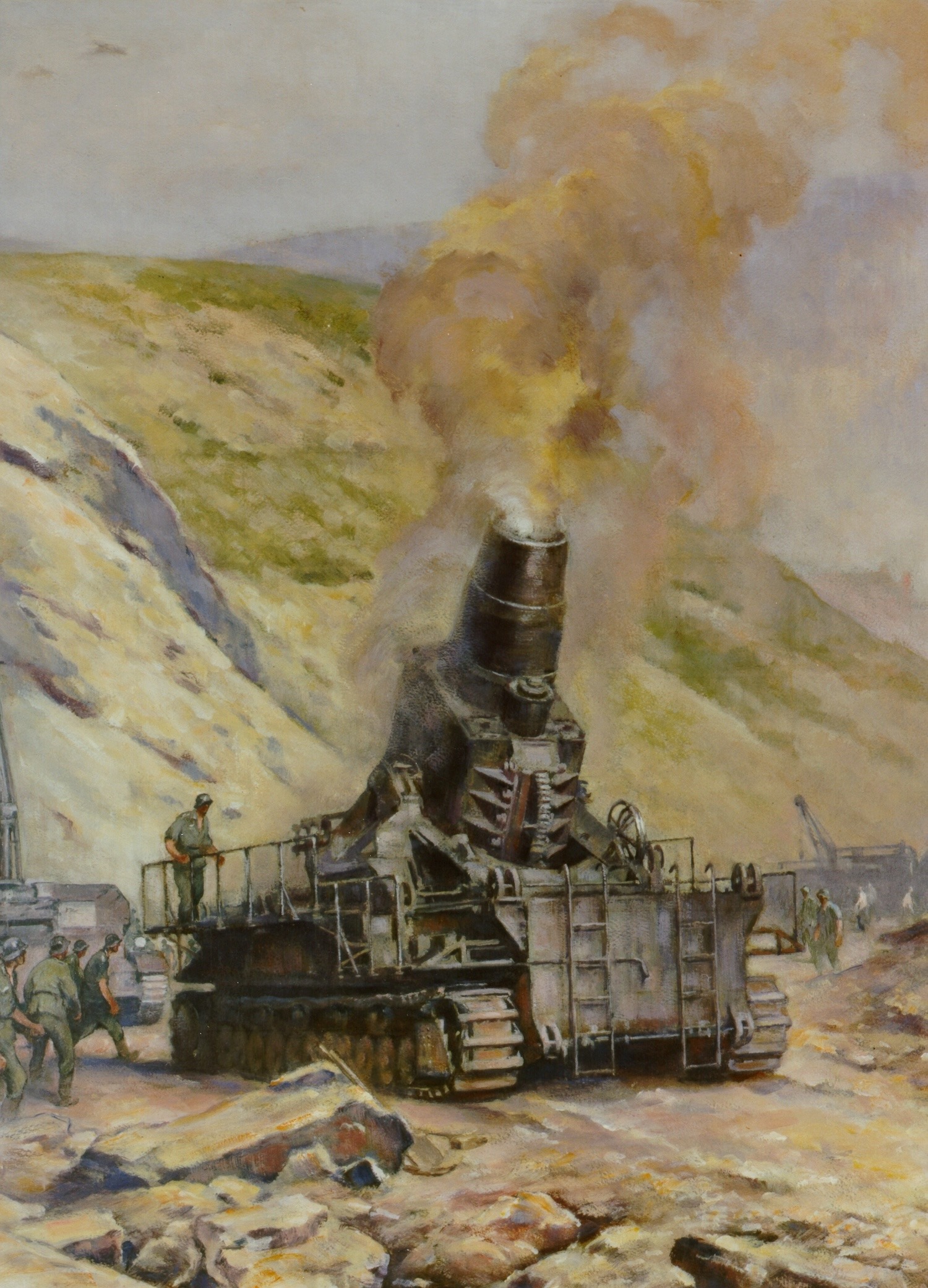
The largest ammunition Rheinmetall has ever produced: shells with a calibre of up to 60 cm for the ‘Karl’ mortar. Rheinmetall-Borsig manufactured six of these mortars between 1940 and 1942. One of these oversized shells is now on display at the Rheinmetall site in Unterlüß.
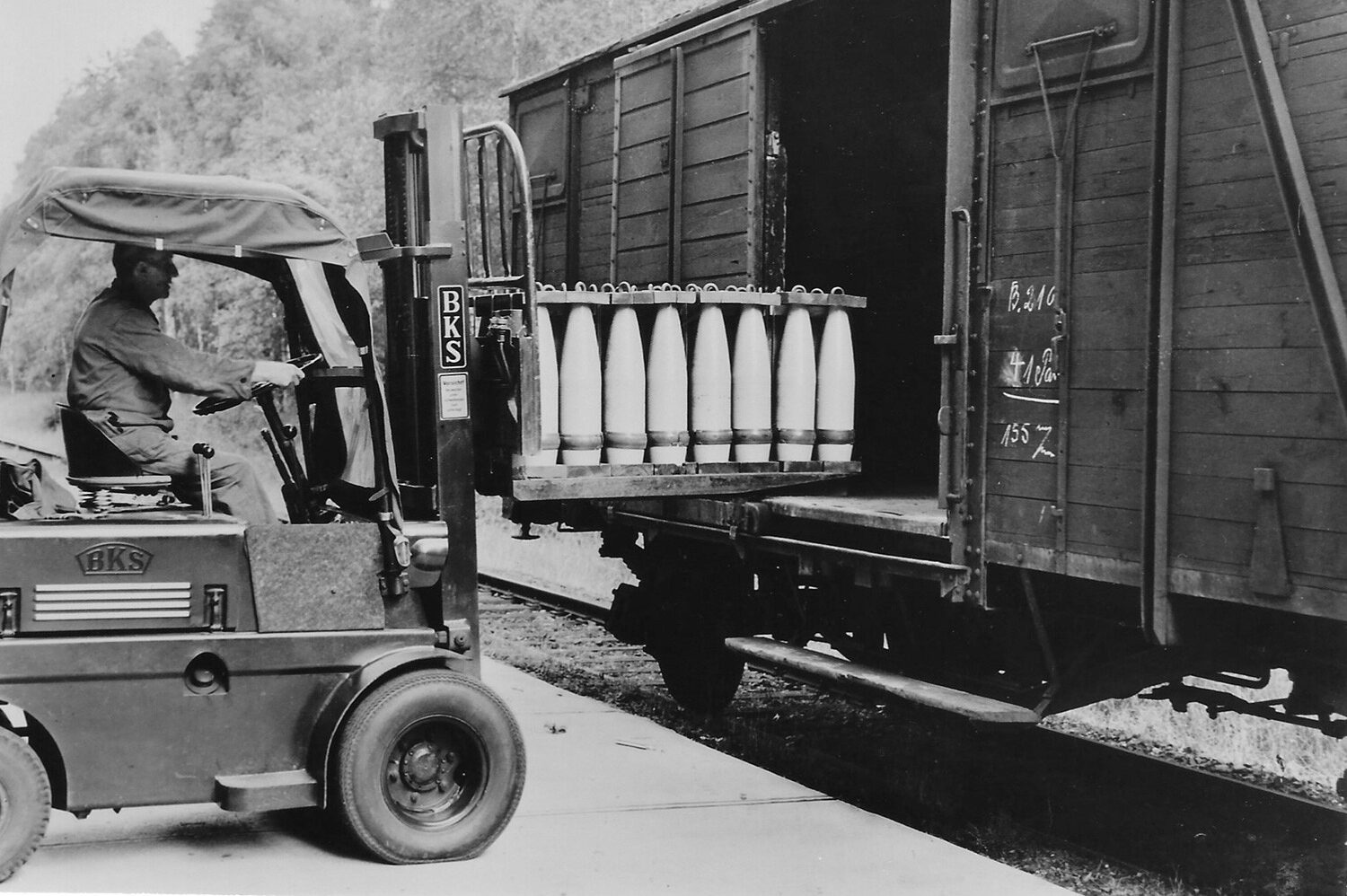
From the 1960s onwards, Rheinmetall demonstrated its production expertise worldwide, particularly with two types of ammunition. To this day, the 155mm projectiles remain the standard calibre for NATO artillery. In 1979, 120 mm ammunition for the Leopard 2 main battle tank went into series production – as a fin-stabilised arrow-shaped projectile with a high starting speed. Rheinmetall produced both types in very large quantities.
Popular large calibres
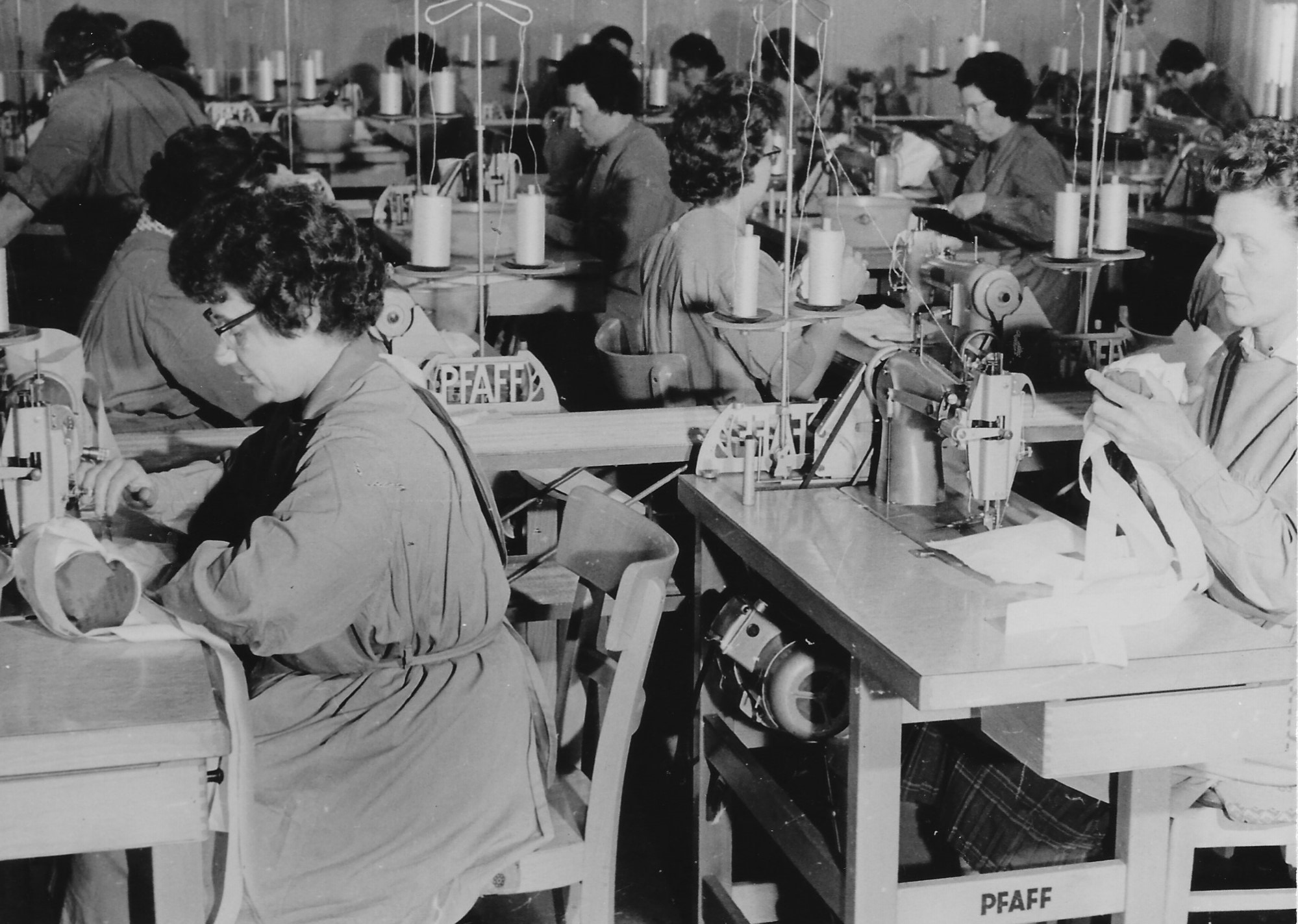
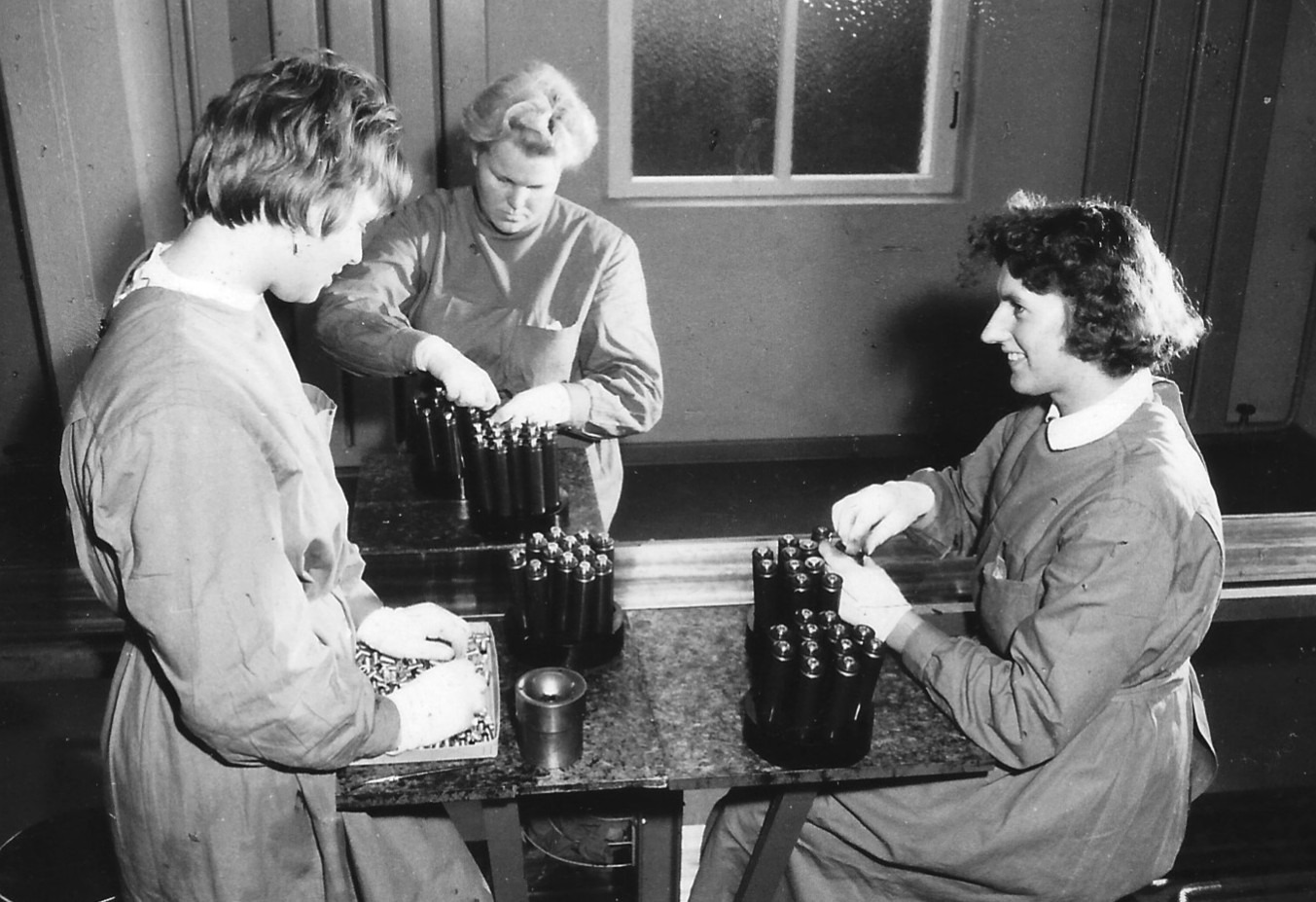
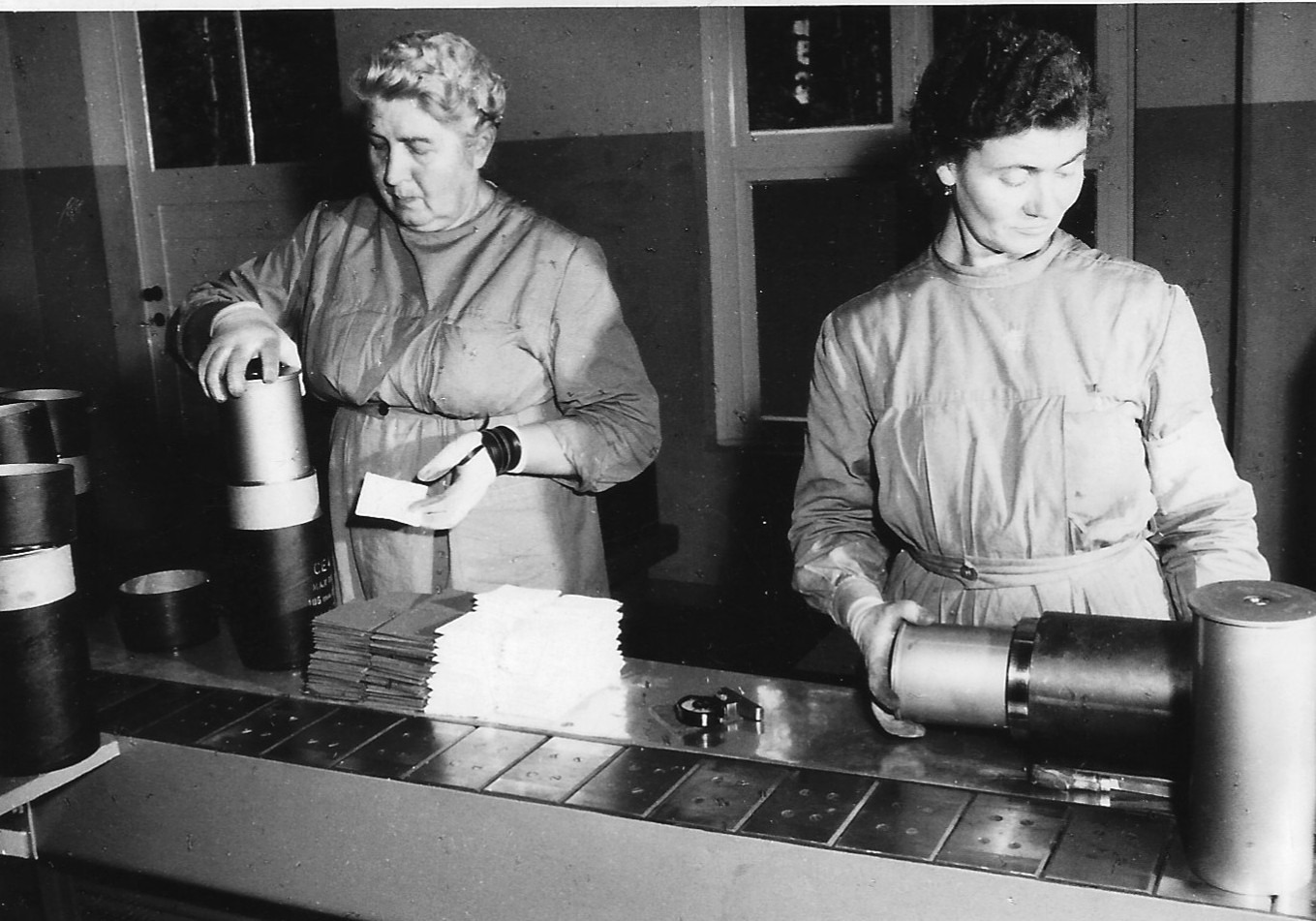
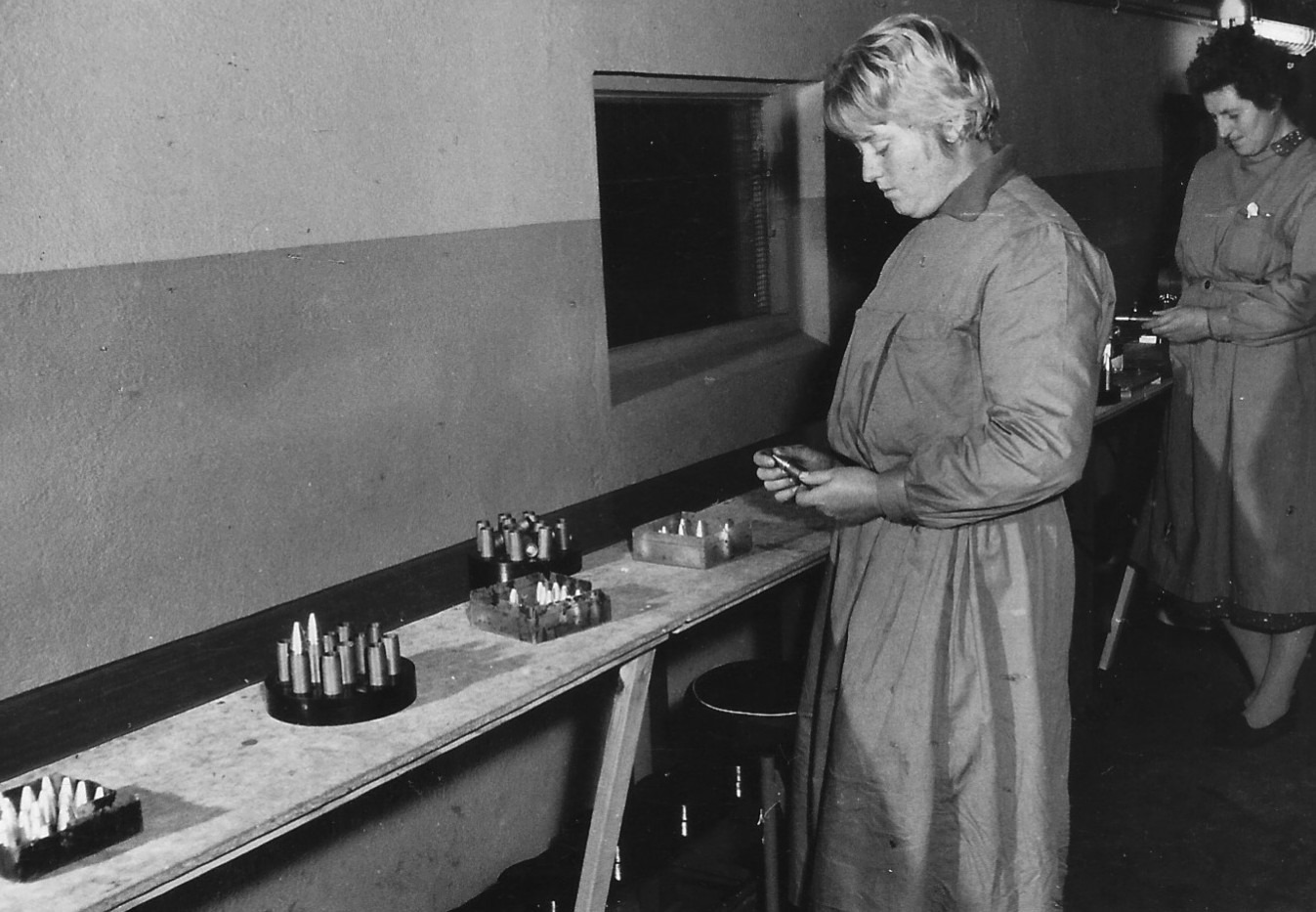
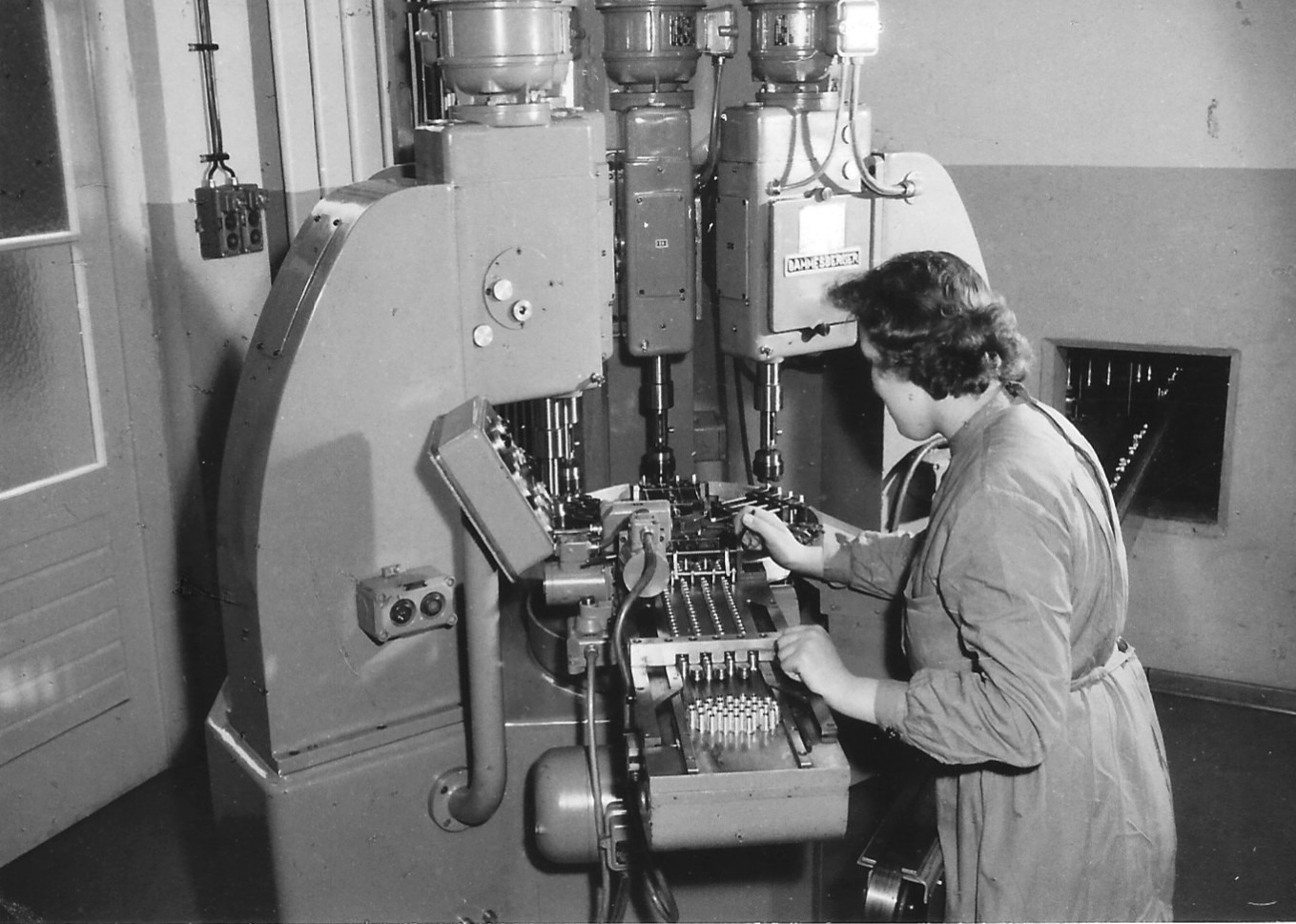
Precision craftsmanship in women’s hands
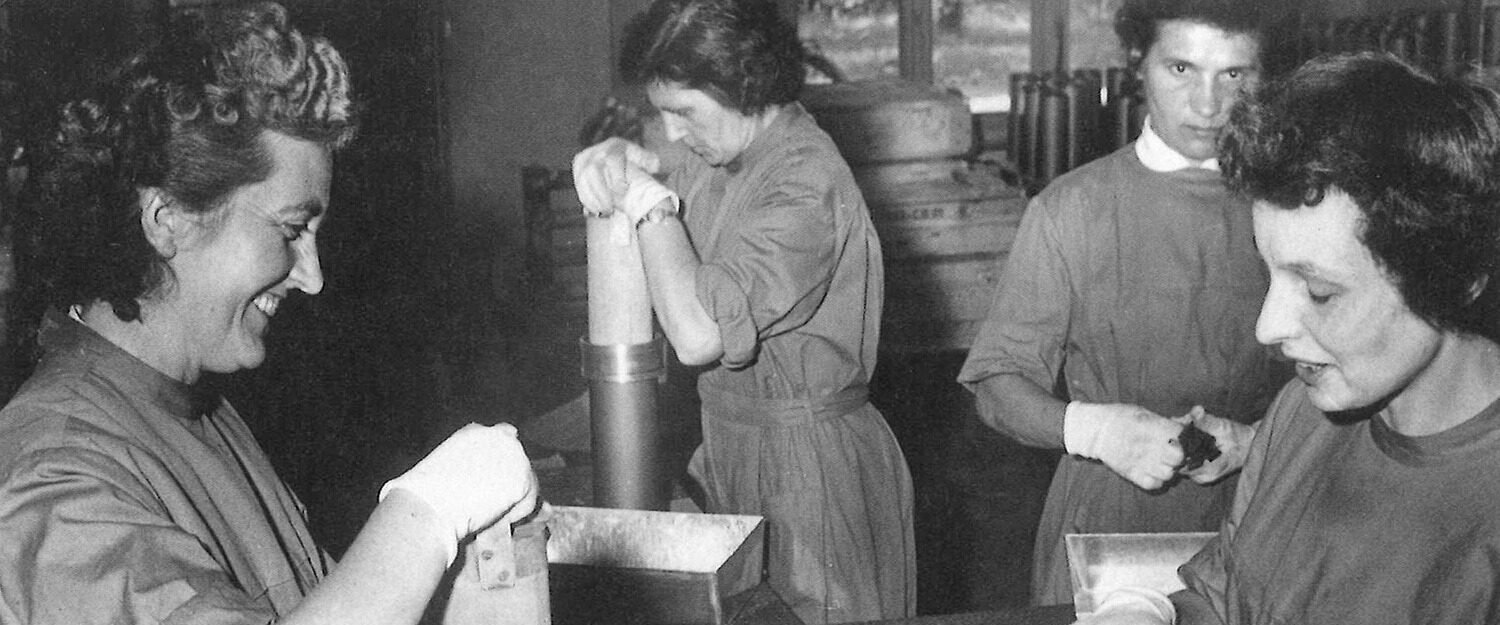
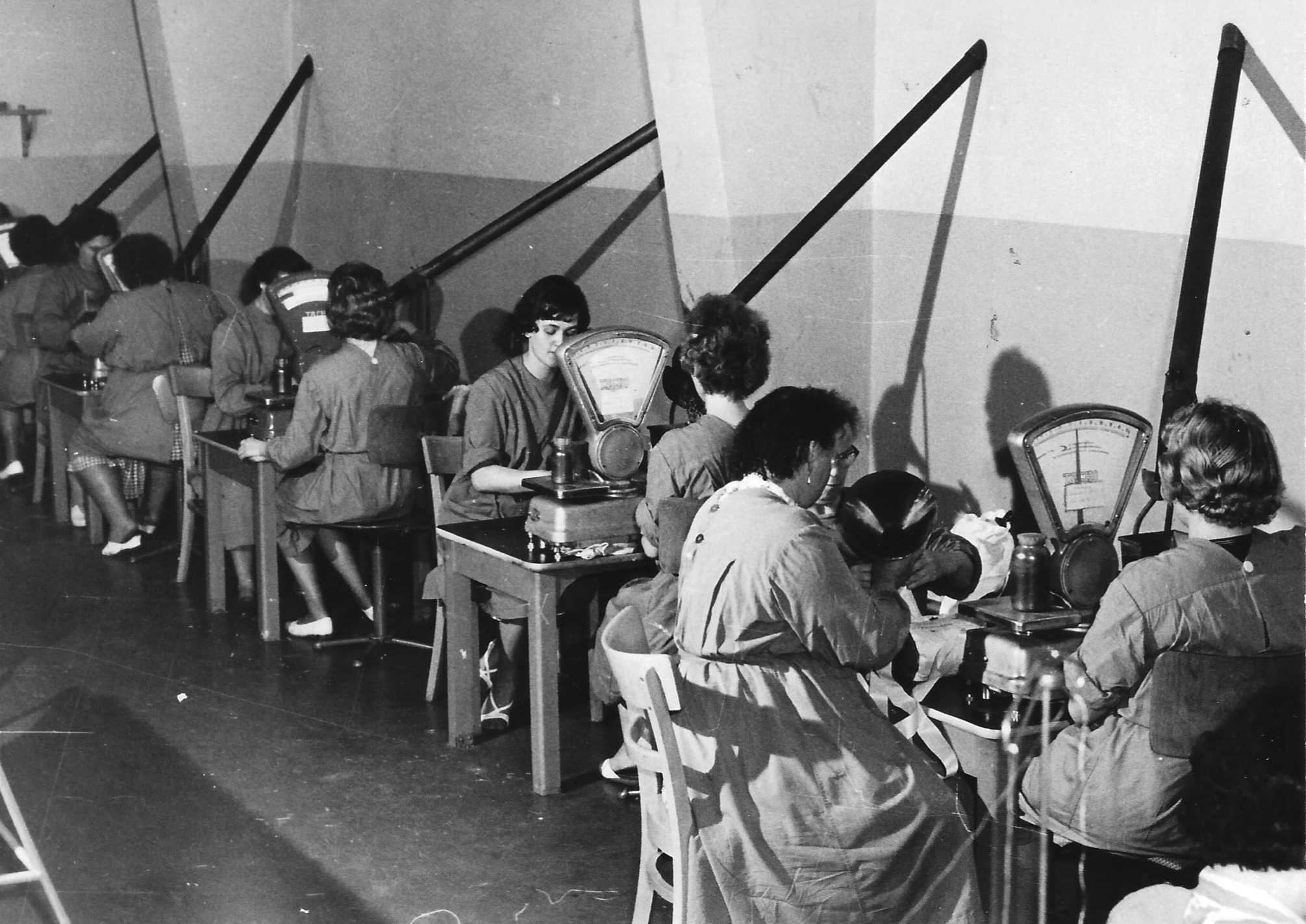
Sewing cartridge pouches, filling powder, or assembling projectiles: women kept ammunition production running in the factory halls, not only during the years of war – as cheap labour and with greater manual dexterity than their male colleagues. Such traditional gender roles are now considered to be old school. Today, women are involved in shaping the future of the Rheinmetall Group as technicians, engineers, and in leadership roles.
Smart projectiles
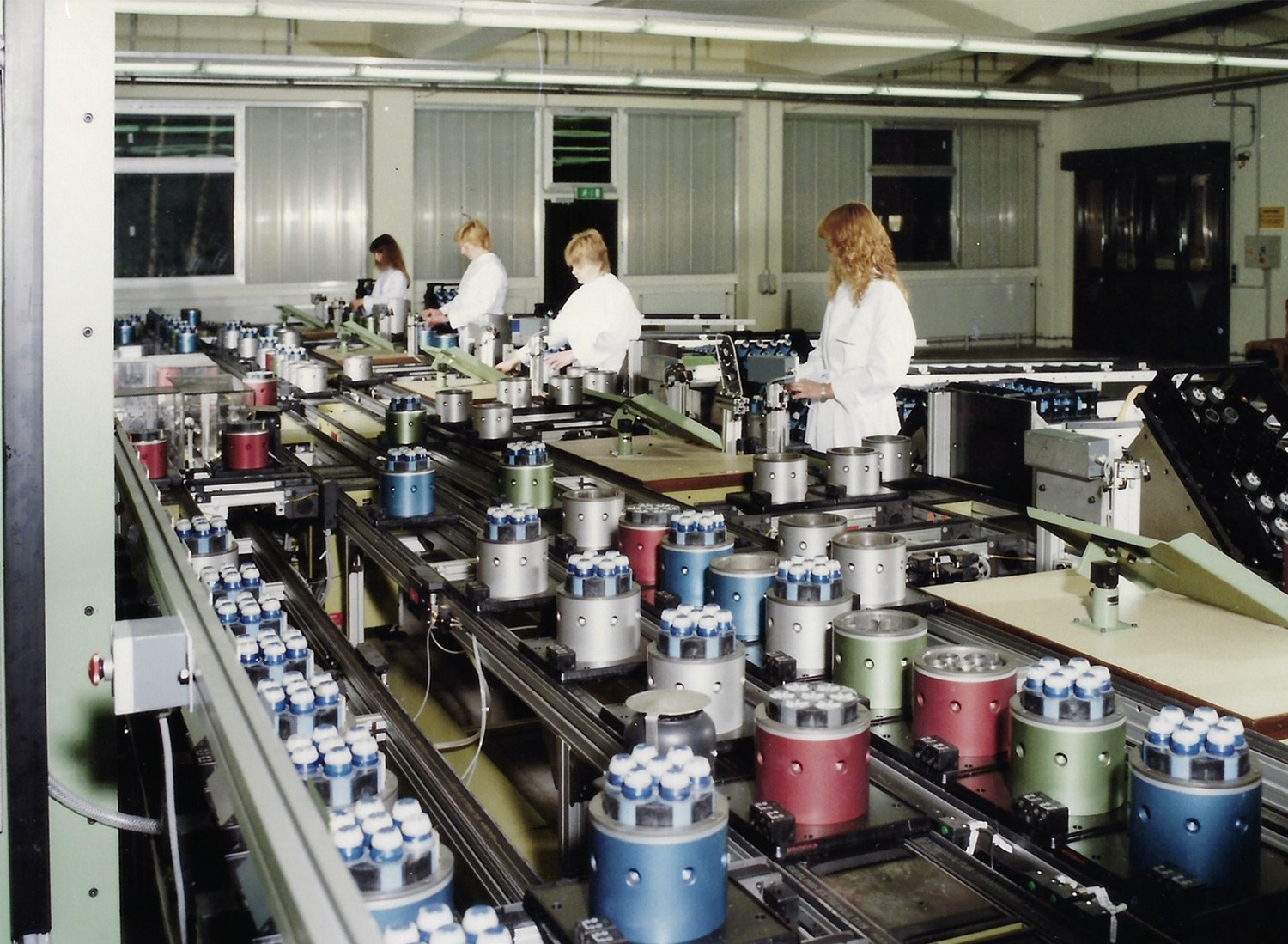
Rheinmetall has been developing smart munitions in collaboration with Diehl since the late 1980s, specifically projectiles that autonomously lock onto their target and drastically increase the impact probability. The RB 63 DM 612 bomblet munition is being utilised for the first time in the US Multiple Launch Rocket System (MLRS) and its European counterpart, MARS.
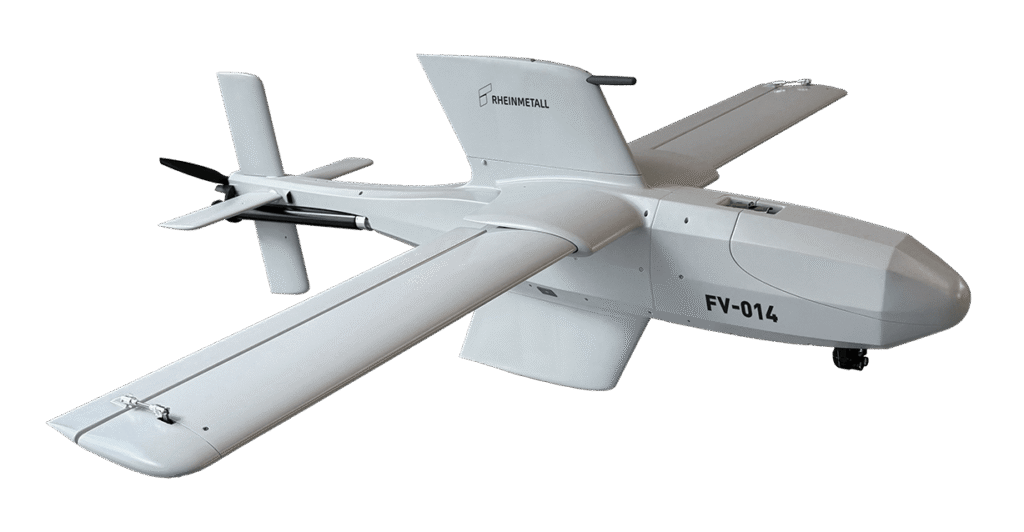
In modern warfare, so-called loitering munitions are becoming increasingly important. These kamikaze drones, equipped with a warhead, circle in the airspace undetected until they are given their target and attack command via a data link. Rheinmetall has several precision weapon systems in its portfolio.
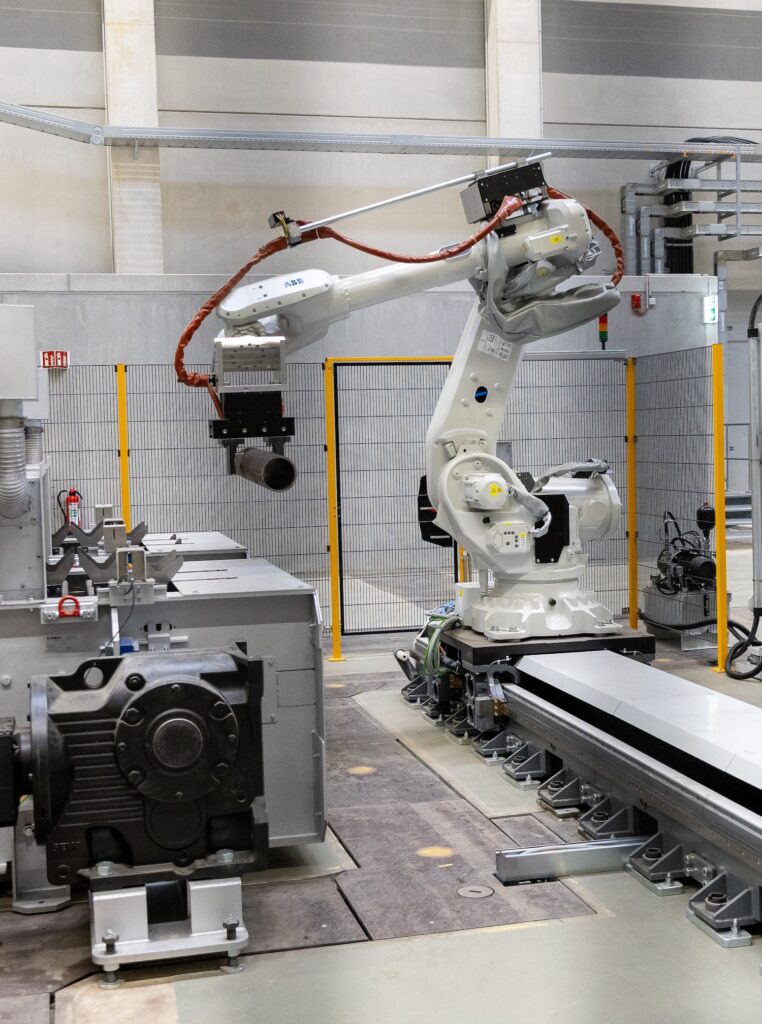
Mega-factory with a high degree of automation
In the late 1970s, automation entered factory halls, with industrial robots reducing error rates, boosting productivity, and shortening delivery times. Rheinmetall’s latest major investment is its highly automated plant in Unterlüß, Lower Saxony, which opened in 2025. At Europe’s largest munitions factory, the defence group plans to produce up to 350,000 rounds of highly demanded 155 mm ammunition per year.
Renaissance of a classic
In Ukraine’s defensive campaign, the Gepard anti-aircraft tank supplied by Germany is proving to be an extremely effective air defence weapon. In record time, Rheinmetall has developed the matching HEI-T ammunition for the decommissioned system and is now producing the urgently needed shells on an industrial scale at its Unterlüß site.


Click here to receive push notifications. By giving your consent, you will receive regular updates about new articles on the Dimensions website. This notification service can be cancelled at any time in your browser settings or your mobile device settings. Your consent expressly also covers data transfers to third countries. Further information can be found in our privacy policy under Section 5.