Enemy of the good
7. July 2026
10. August 2026
Rheinmetall and Deutsche Telekom are jointly developing a defence shield against drones and cyberattacks. The joint development focuses on protecting critical infrastructure, civilian facilities and major events.
Line of sight
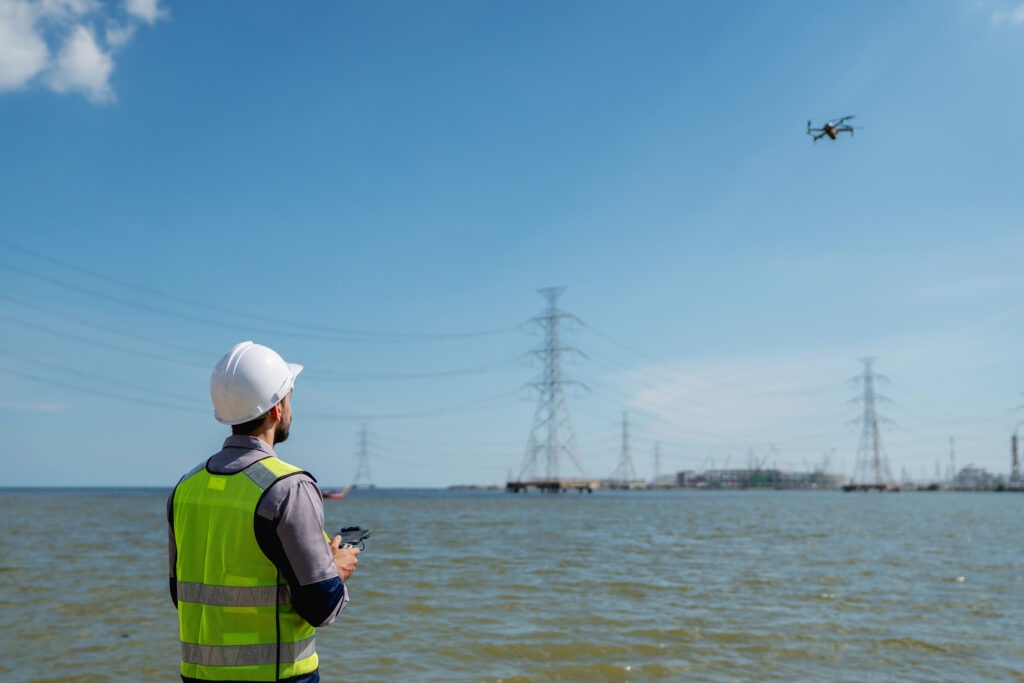
Controlling drones via mobile networks is not yet common in Germany. By law, pilots must always keep their drone in sight (line of sight). Those who operate drones beyond visual range often do so for commercial purposes, such as inspecting power lines or pipelines. These pilots must apply for permission to fly. Anyone who does not apply but still operates a drone via mobile network is committing a criminal offence.
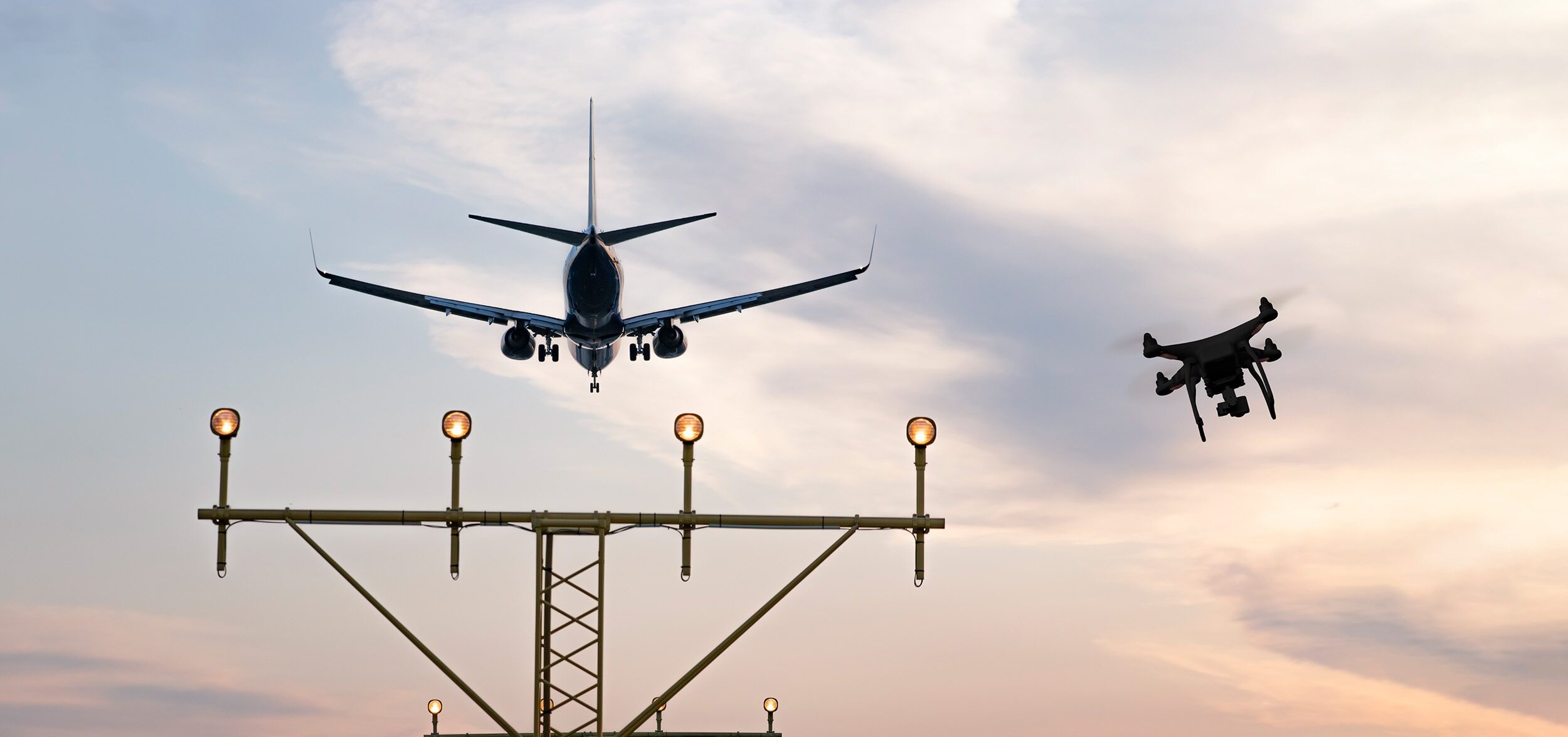
The repeated incidents at Munich Airport and other European airports make one thing abundantly clear: a single drone can bring operations to a complete standstill, leave passengers stranded and cause economic damage. What used to be isolated incidents is now an everyday occurrence. Whether over critical infrastructure such as chemical plants, power grids and ports, or at major sporting events – unmanned aerial vehicles pose a serious threat. Major urban events such as public screenings, parades or political gatherings are being threatened. The current geopolitical situation is further exacerbating the problem. Hybrid warfare, targeted acts of sabotage and the steadily growing threat are forcing Germany to protect its critical infrastructure effectively. Conventional defence systems are hereby become quickly inadequate. This threat requires new, intelligent responses.
Two partners, one goal
This is precisely where the cooperation between Rheinmetall and Deutsche Telekom comes in. The Düsseldorf-based defence company contributes many years of experience in drone defence, while the Bonn-based telecommunications provider offers a nationwide mobile network and extensive expertise in securing major events. Together, the two DAX-listed companies are developing a modular protection system that can be flexibly adapted to different threat situations. The approach: multi-threat protection. While phase one focuses on drone defence, the future solution is also intended to address threats on land, at sea and in cyberspace.
Modular architecture for flexible solutions
From detection and identification through to defence, the two partners combine different technologies to suit the specific scenario and threat situation. Both companies have expertise in sensor technology. Rheinmetall is responsible for the effectors. Deutsche Telekom contributes secure communications and 5G campus networks, cloud technology and data analytics. The individual capability modules can be flexibly combined to create tailored solutions. After all, power plant operators and industrial companies require different protective mechanisms from those needed at an airport or by an emergency services organisation. However different the requirements may be, the objective is always the same: to detect drones at an early stage and counter the threat using interfering signals (jamming), interceptor drones or – depending on the environment and regulatory requirements – laser-based defence systems.
The network as an intelligent guardian
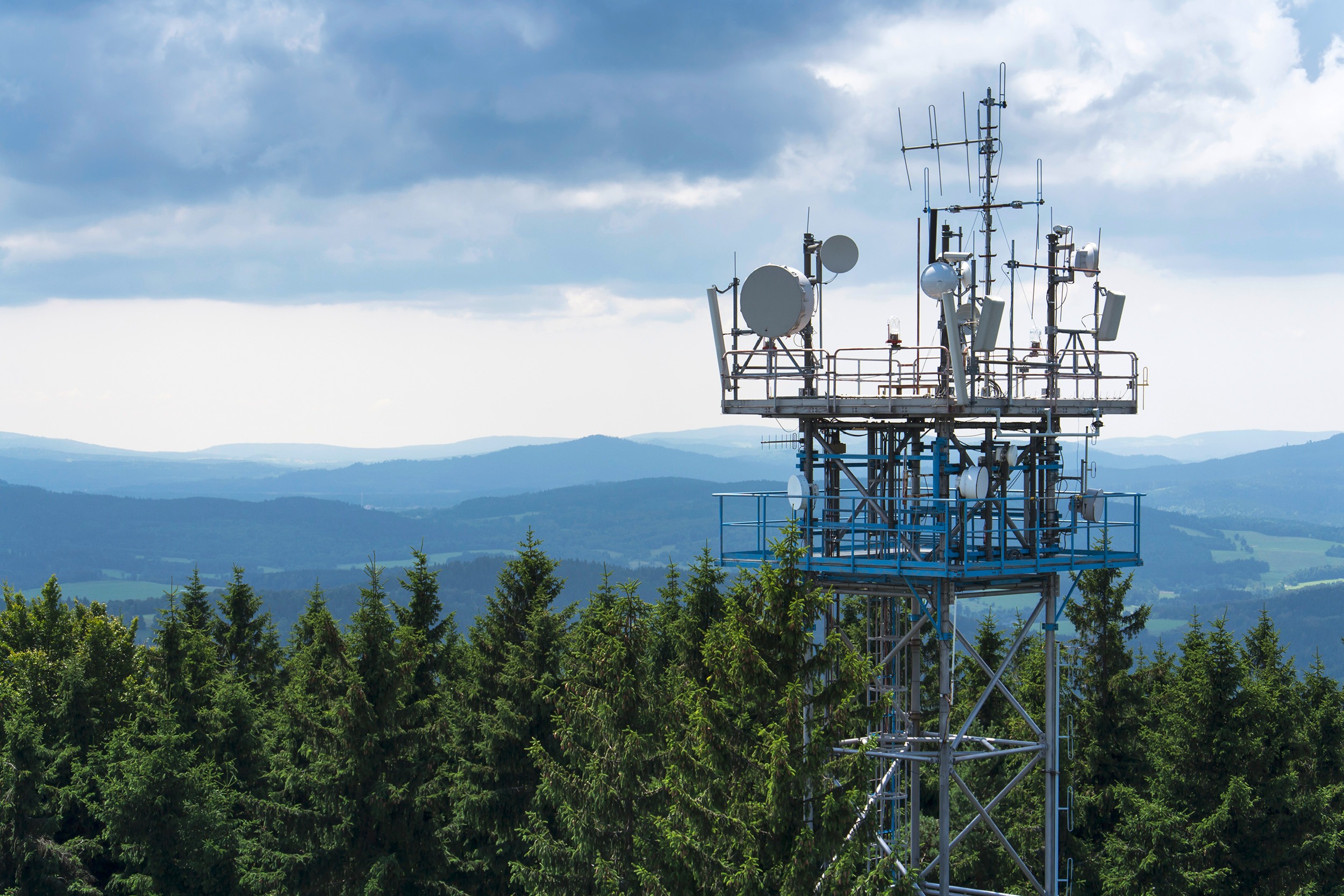
Most of the drones currently available on the market still fly because a pilot controls them within visual range via remote control using a radio frequency. To detect them, Telekom comprises a combination of video, audio, radio frequency (RF), Remote ID sensors and radar. In densely built-up urban areas, passive RF sensors have proven particularly effective. Because they do not transmit an active search signal themselves, they can be installed on radio masts without difficulty. They currently detect more than 90 percent of all drones in low-altitude airspace.
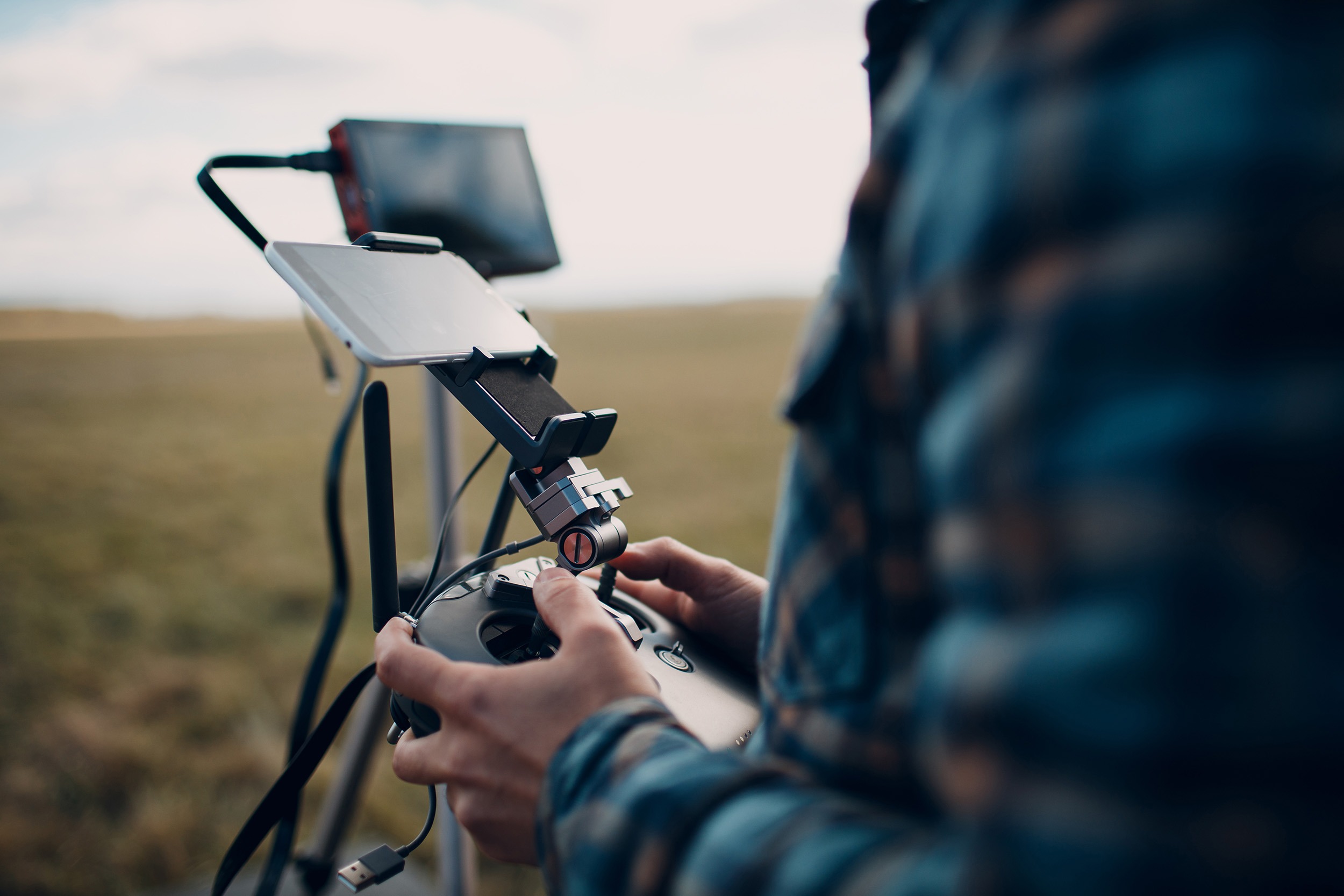
Nowadays, both commercially available and homemade drones are increasingly being controlled via the internet using a smartphone. The widespread roll-out of high-performance mobile networks allows control over long distances, virtually from anywhere. For companies and government agencies, this poses a new dimension of threat level. Telekom is therefore researching how such mobile-network-controlled drones can be identified, in cooperation with the Helmut Schmidt University, aka the University of the Federal Armed Forces in Hamburg, and as part of the SENSATION project funded by the German Federal Ministry of Education and Research. Its innovation: the mobile network itself will become an active component of the defence system. The network detects suspicious communication patterns and reports potential threats in real time. This approach goes far beyond conventional radar or camera systems and opens up a new dimension in early detection. Technically, it is even possible to actively block such control data streams. The legal framework is still under clarification.
Nationwide Drone Situation Centre
This new method of drone detection is also set to be incorporated into the joint project between Rheinmetall and Telekom. Looking ahead, the two partners are envisioning a nationwide drone situation centre. Unlike military air situation pictures, this platform will be unclassified and accessible to all customers. In this way, companies and infrastructure operators will benefit not only from detections made by their own systems, but also from detections made by other users and from publicly available sources. Data fusion combined with AI-supported forecasts will assess current threats and enable follow-up analyses. This will create a protective shield that operates both regionally and nationally, supported by Telekom’s high-performance mobile network and a corresponding terrestrial network.
Tested in real-life situations
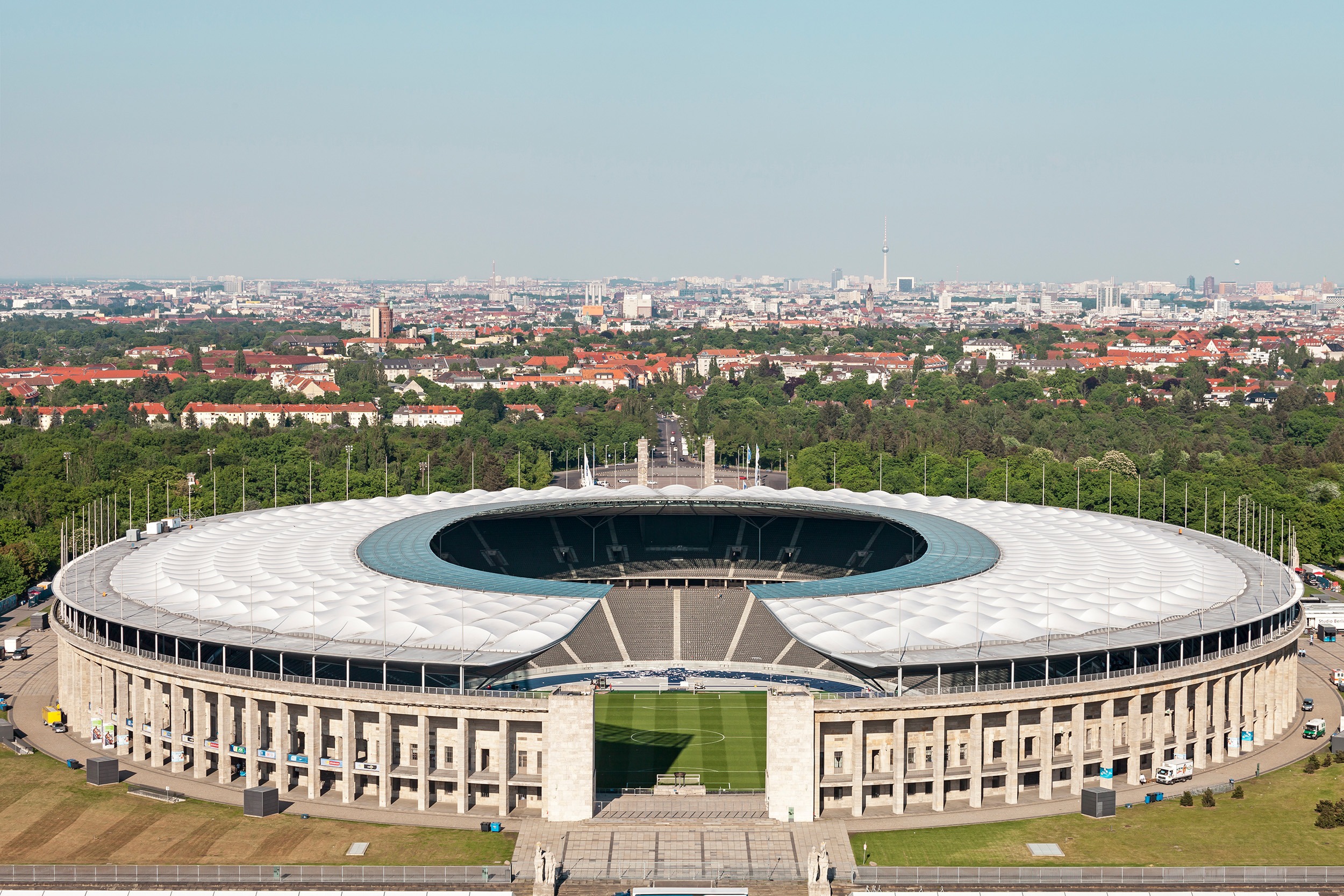
Telekom has been testing the capabilities of drone detection since 2016. Its customers include various governmental agencies, the Bundeswehr, airports and companies. The Group has already secured critical infrastructure, facilities, and major events against drones both in Germany and abroad. During the 2024 European Football Championships, the telecommunications company reliably detected illegal drone flights on behalf of the police. Thanks to pinpoint localisation, emergency services were able to find the pilots quickly.
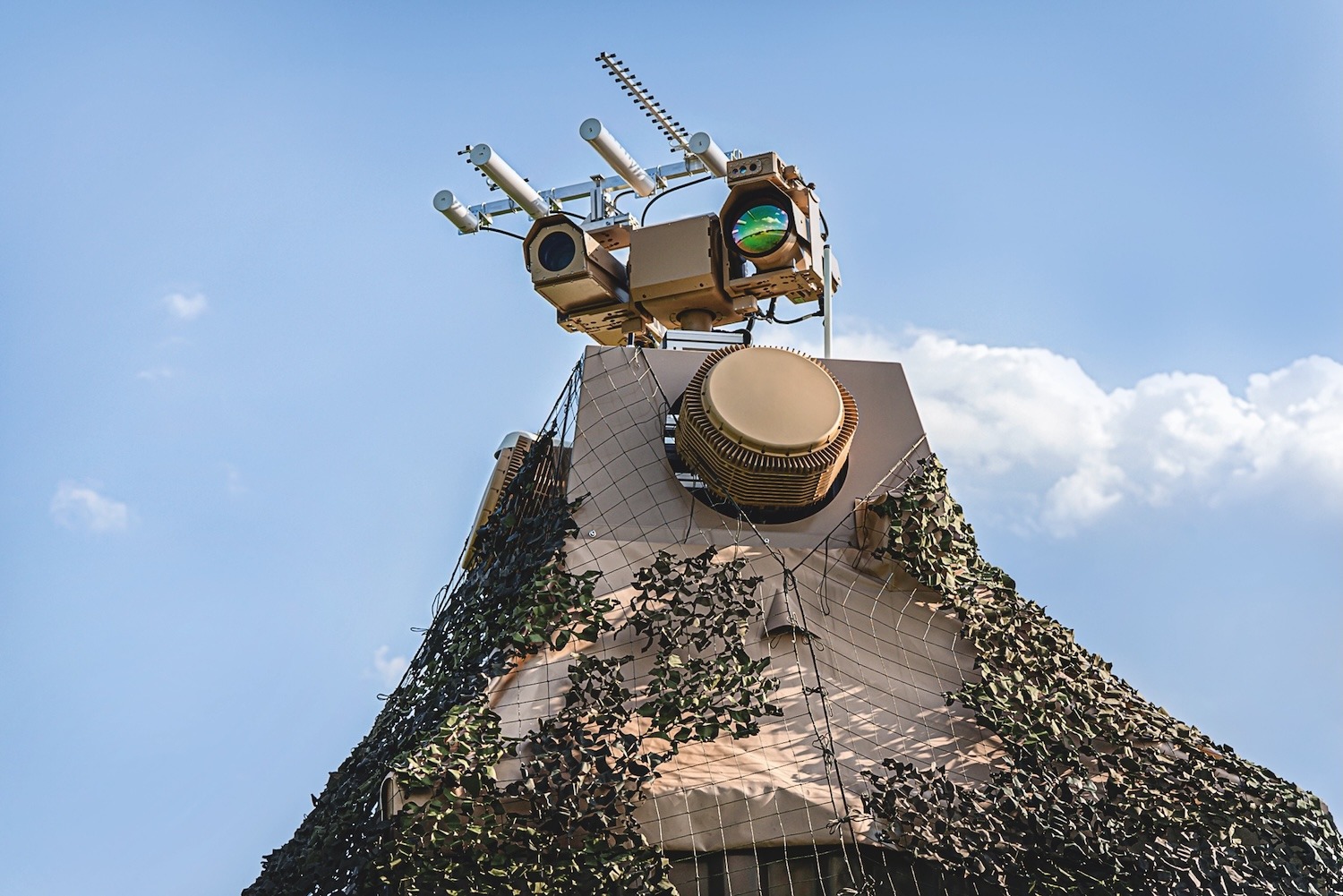
Rheinmetall is one of the leading systems providers in close-range and short-range air defence. Effectors from the Düsseldorf-based technology group are currently in use in the Ukraine and the Middle East. In December 2025, Rheinmetall entered into a strategic partnership with the Hamburg Police Force and the Hamburg Port Authority to develop drone detection and defence concepts for one of Europe’s most demanding locations: because of its dense infrastructure, maritime conditions and the variety of radio sources, the Port of Hamburg is regarded as a particularly challenging environment for detection systems.
Rapid availability, wide range of applications
The timelines are ambitious. Individual solutions are already in operational use with various customers. The components from phase one for detecting, identifying and countering drones are ready and will become commercially available within a few months – hence, by combining the capabilities of both Groups. From phase two and subsequent development stages onwards, additional protection functions against cyberattacks will be integrated. This will be of particular interest to small and medium-sized enterprises.
Responsibility in uncertain times
Both DAX-listed companies are convinced that security today can only be approached in a networked way. Armin Papperger, CEO of Rheinmetall, summarises the project’s strategic dimension: “The threat posed by drones is highly digital. This is why effective defence requires a combination of sensors, effectors, and secure communication networks. Rheinmetall and Deutsche Telekom bring together precisely these capabilities”. Tim Höttges, CEO of Deutsche Telekom AG, emphasises: “Sovereignty is achieved not only through discussion but through action. With our expertise in connectivity, cloud, and data analytics, we are elevating drone defence to a new level”. Deutsche Telekom and Rheinmetall are thus jointly strengthening sovereignty and are helping to alleviate concerns among the public.

Click here to receive push notifications. By giving your consent, you will receive regular updates about new articles on the Dimensions website. This notification service can be cancelled at any time in your browser settings or your mobile device settings. Your consent expressly also covers data transfers to third countries. Further information can be found in our privacy policy under Section 5.