Mobile network to detect drones
10. August 2026
28. May 2026
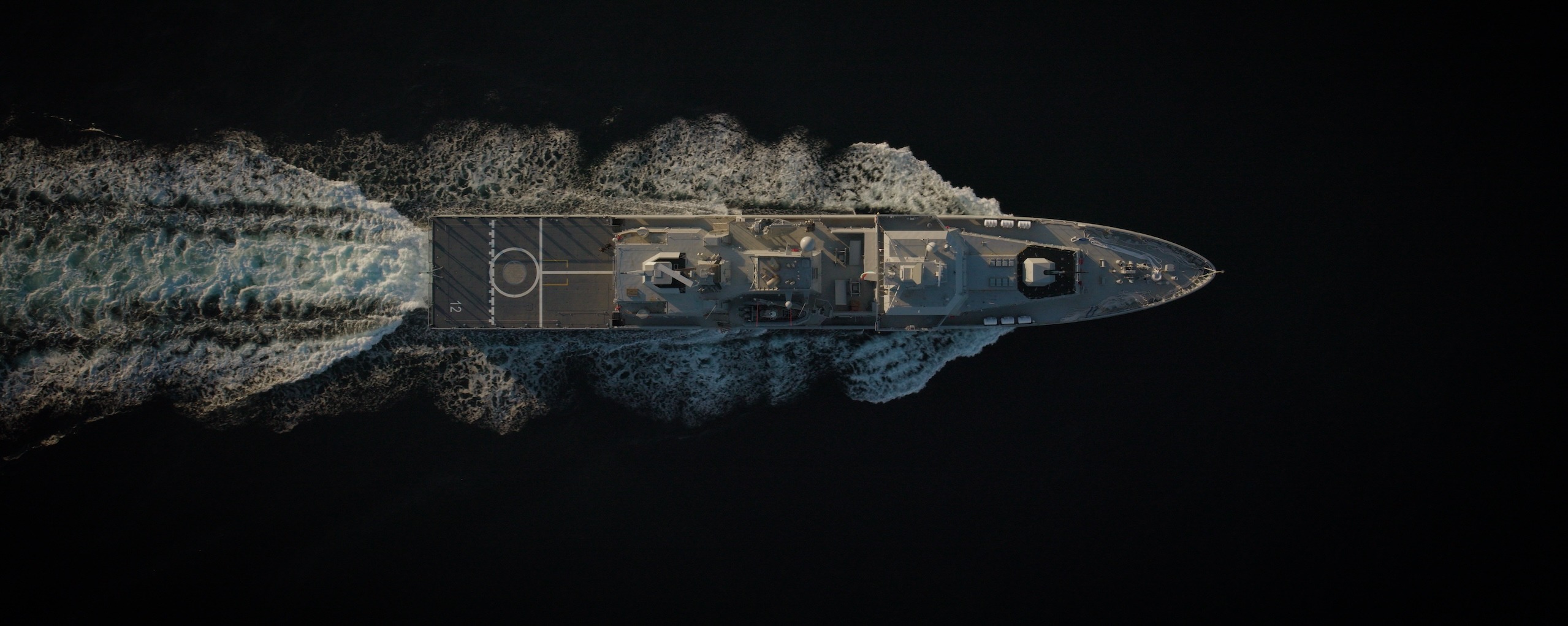
Hamburg is becoming a maritime defence technology centre: with the establishment of its new Naval Systems division, Rheinmetall is strengthening its position as a full-range supplier for surface vessels. The site in the Hanseatic city is set to become a competence centre for autonomous and unmanned maritime systems – and is providing solutions to the most pressing security challenges of our time.
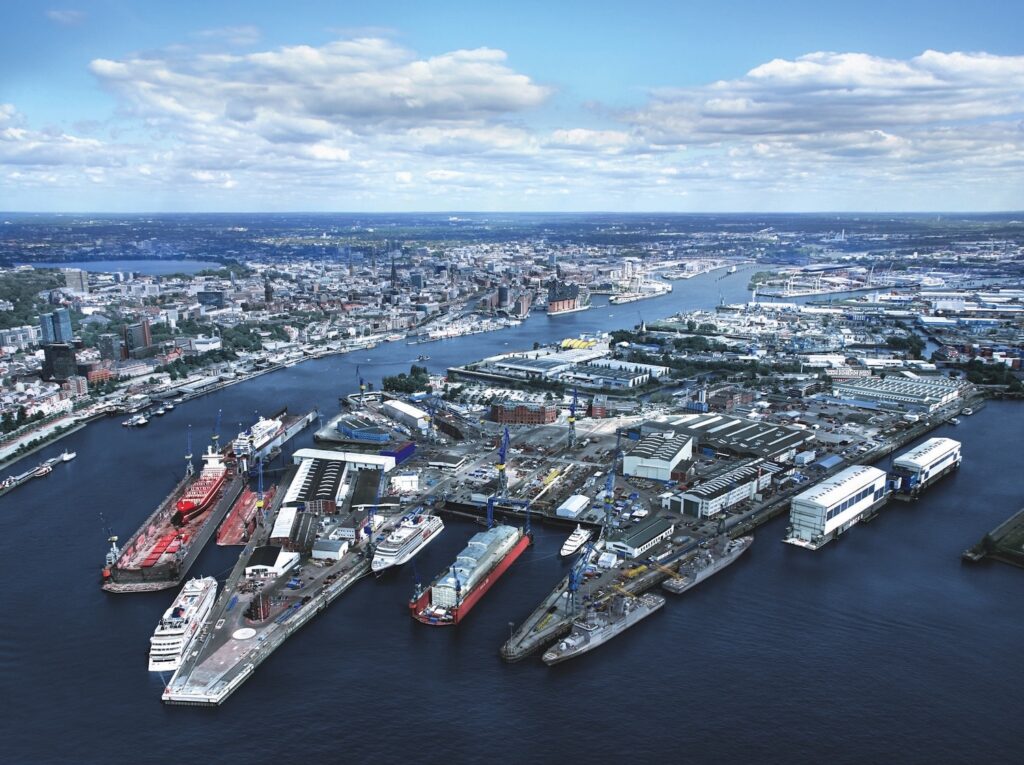
Blohm+Voss: Germany’s Most Famous Shipyard
Since its founding in 1877, this traditional shipyard has been located on the Steinwerder Peninsula — in the heart of Hamburg Harbour.
Blohm +Voss, with around
500
permanent employees, including trainees
451.000
square metres of shipyard area
2.100
metres waterfront
3
shipbuilding halls
7
docks, including Elbe 17 — Europe’s largest dry dock
With the acquisition of NVL, the naval division of the Lürssen Group, Rheinmetall has significantly expanded its portfolio. “As a full-range supplier of state-of-the-art surface vessels, we are making a substantial contribution to strengthening Germany’s maritime defence capabilities”, explains Armin Papperger, CEO of Rheinmetall AG. The new Rheinmetall Naval Systems division brings together all of the technology group’s maritime expertise – from ship building to maintenance, repair and servicing of complex naval vessels of all classes. At the same time, it is working with renowned partners and start-ups to develop autonomous and unmanned maritime surface systems for civil and military applications.
Innovation location Hamburg
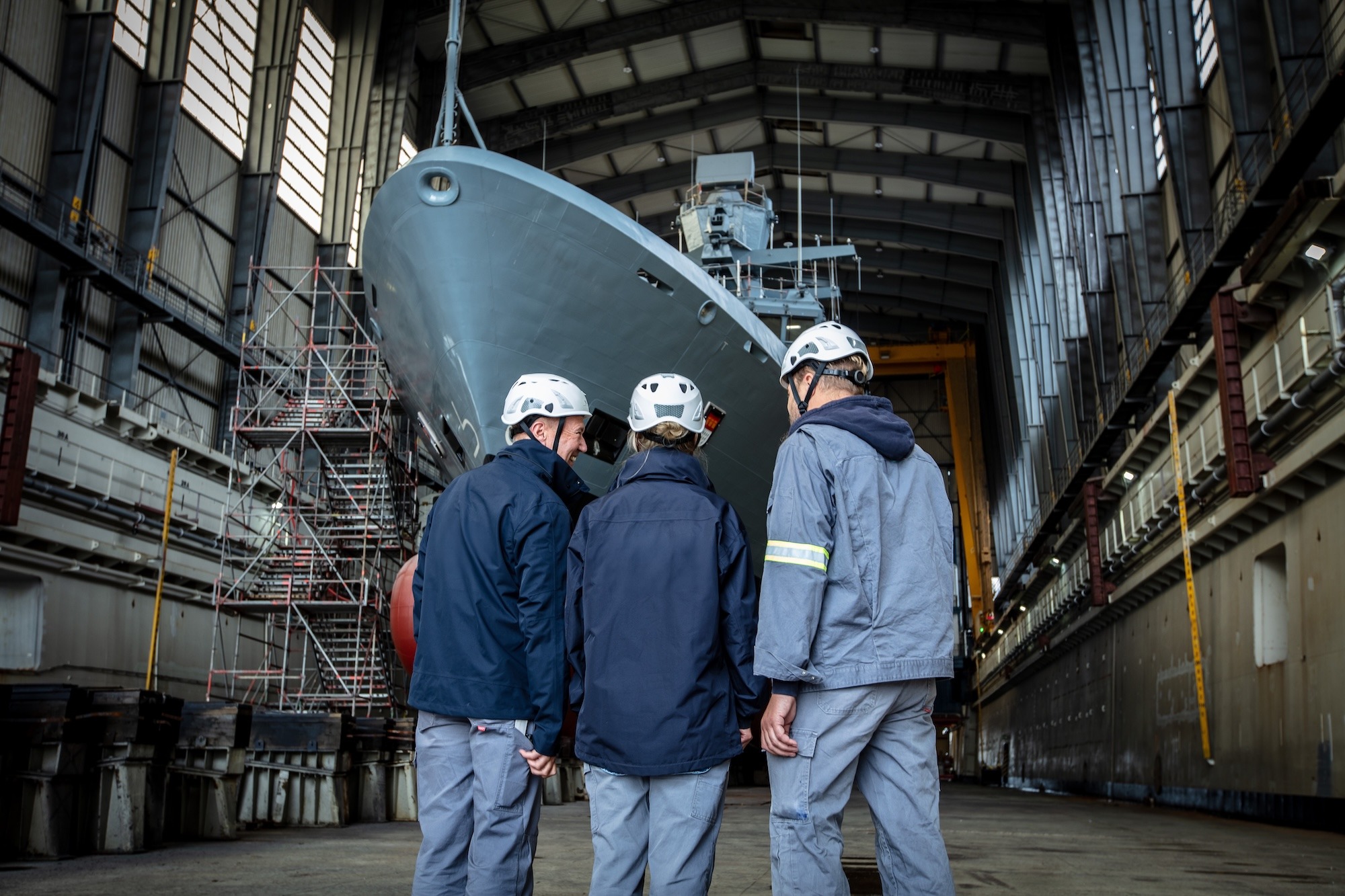
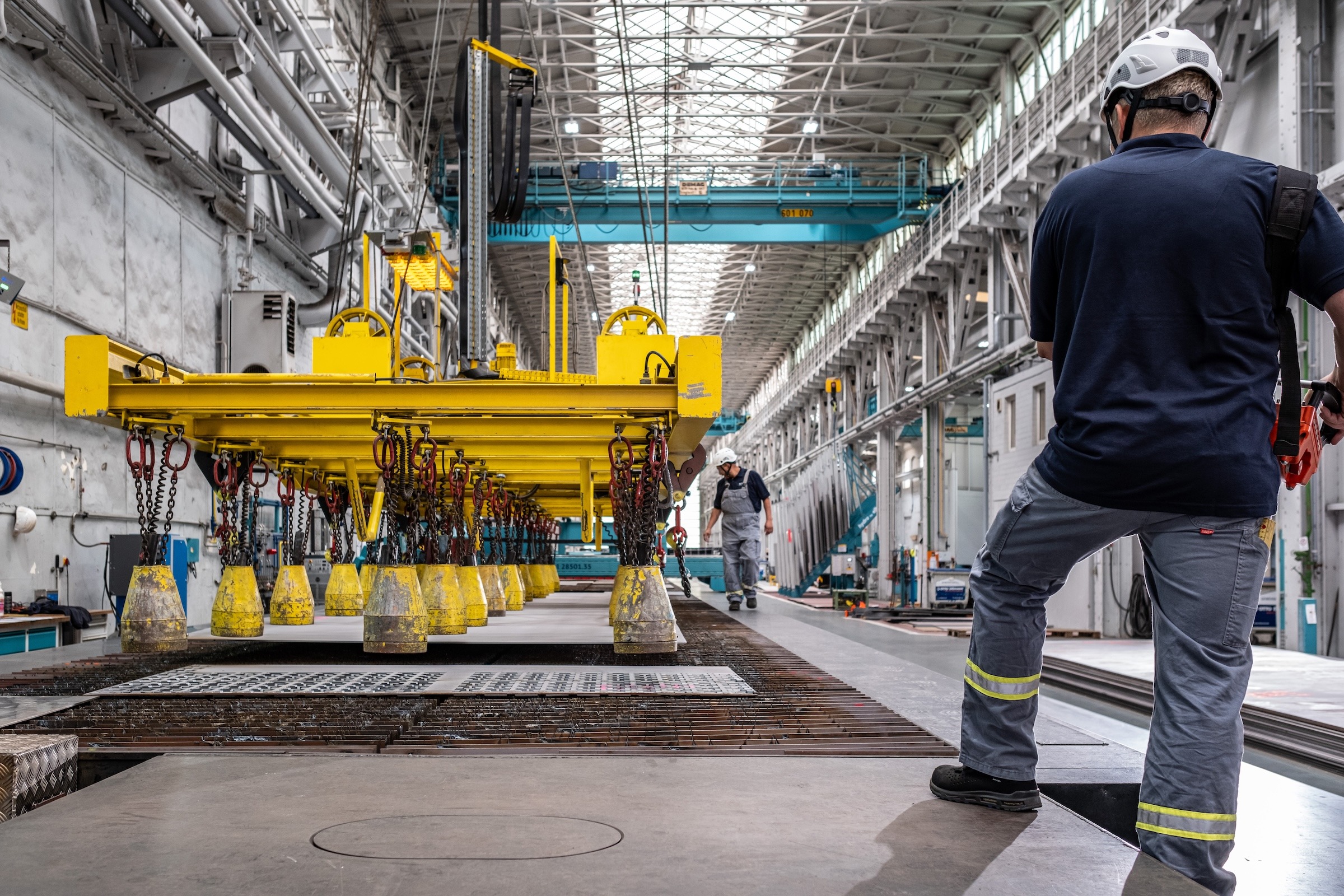
The specialized Rheinmetall site at Blohm+Voss and the neighbouring repair yard Norderwerft, make Hamburg one of the largest sites within the Naval Systems division. Both sites are equipped with state-of-the-art facilities and employ highly qualified specialists ensuring that high customer requirements are being met.
Not far from there, Rheinmetall operates the Trittau site of Rheinmetall Waffe Munition GmbH. This is where pyrotechnic ammunition and exercise ammunition are produced: primarily 40 mm exercise ammunition, irritant projectiles, pyrotechnic illumination and signalling devices, as well as training ammunition for mortars and anti-tank weapons. In total, around 1,050 people work for Rheinmetall in Hamburg and Trittau, of these, around 750 at the two shipyards.
Networking as a key to success
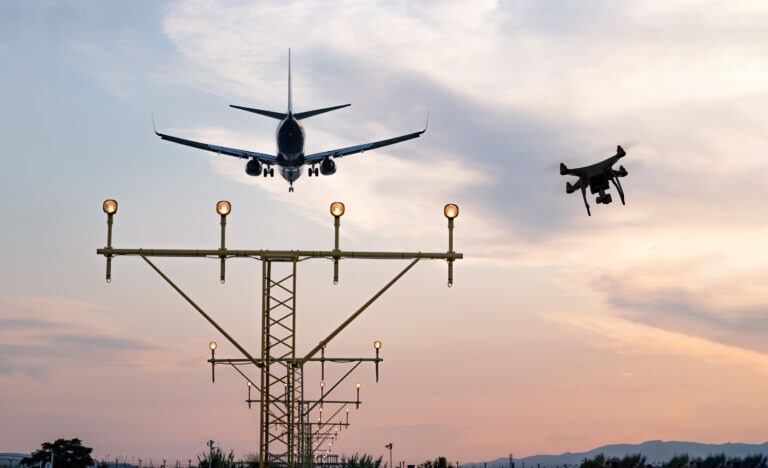
As a central hub for international goods, Hamburg has recently attracted increased attention from trespassers: unidentified flying objects over the Elbe, drone sightings over container terminals. Effective protection of critical infrastructure requires closer coordination between security authorities, infrastructure operators and industry partners. Rheinmetall has recently joined forces with the Hamburg Port Authority (HPA) and the police to specifically strengthen detection and defence systems in the port area. Whilst the technology group contributes essential expertise, the authorities and police offer particular port-specific knowledge, hence, strengthening maritime security together.
Hybrid defence
Hostile actors have long since moved beyond relying solely on missiles. Underwater drones, some of which being guided by autopilot, are increasingly brought into operation. They cannot be controlled or detected by conventional means. “Military capability is becoming increasingly important in the maritime domain, too”, says Timo Haas, Deputy Head of the Electronic Solutions Division at Rheinmetall. “We are already driving promising defensive innovations forward and are, of course, also working on maritime solutions”.
As part of a joint venture with the British technology company Kraken Technologies, the Hamburg-based shipyard Blohm+Voss is producing the Kraken SCOUT MEDIUM. This surface drone is capable of speeds of up to 55 knots and can be used for maritime surveillance, to protect critical infrastructure, or as a weapons carrier for military operations. At the same time, Rheinmetall Naval Systems is conducting research and development on modular, autonomous surface systems at the site. These systems will in the future be operating optionally manned, remotely controlled or in a fully autonomous mode.
Flexibility for the crew
Hamburg is playing a key role in this by establishing itself as a leading centre for the testing and developing unmanned and autonomous maritime systems. What is in development here is the answer to a fundamental challenge for modern naval forces as the massively increasing requirements of naval forces and growing procurement budgets are contested by a serious shortage of personnel. Unmanned and autonomous systems, on the other hand, can operate without a crew, thereby relieving scarce personnel resources. This is a decisive advantage in times when technology is available but qualified personnel are lacking.

Click here to receive push notifications. By giving your consent, you will receive regular updates about new articles on the Dimensions website. This notification service can be cancelled at any time in your browser settings or your mobile device settings. Your consent expressly also covers data transfers to third countries. Further information can be found in our privacy policy under Section 5.