From cars to artillery
8. July 2026
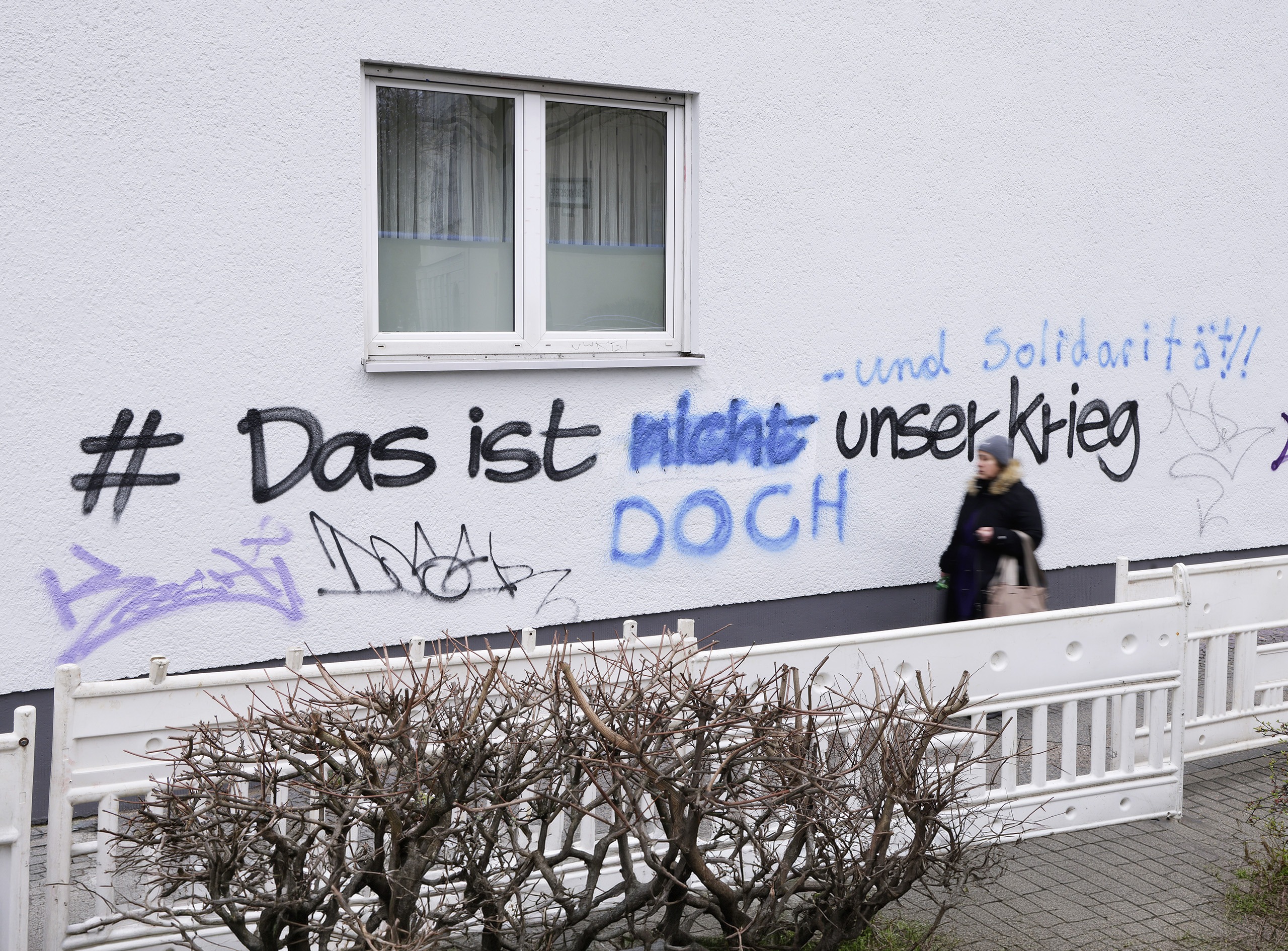
From the former “civilian power” to Europe’s strongest conventional military power: Germany’s turning point in defence policy was met by broad public support. How is this public approval to be explain, keeping in mind that most Germans are considered to be pacifists?
Rethinking
Europe is increasing its military spending, with Germany leading the way. In order to meet NATO’s requirement of spending 3.5 per cent of gross domestic product on defence, Germany’s defence budget is set to rise to over €150 billion by 2029. This apparent U-turn in fiscal policy is in fact a response to a serious situation. NATO Secretary General Mark Rutte has issued an urgent warning: Russia could use military force against NATO within five years. Consequently, defence must be reconsidered as a public duty. Just as essential as the supply of water or energy, national security is one of a state’s fundamental tasks: it must be comprehensive, resilient, technologically sovereign, and have the necessary troop strength.
Defence as an opportunity for industrial policy
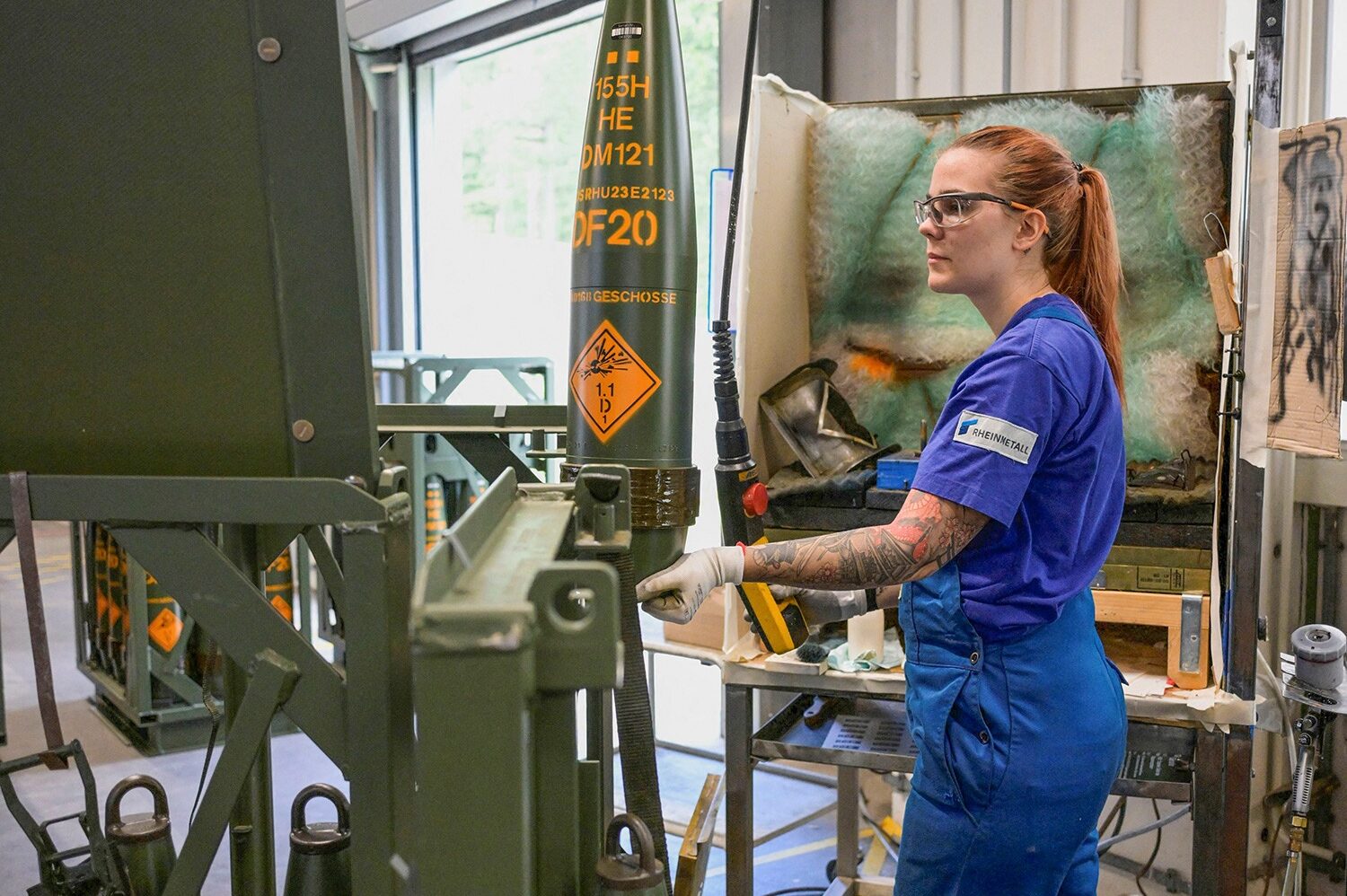
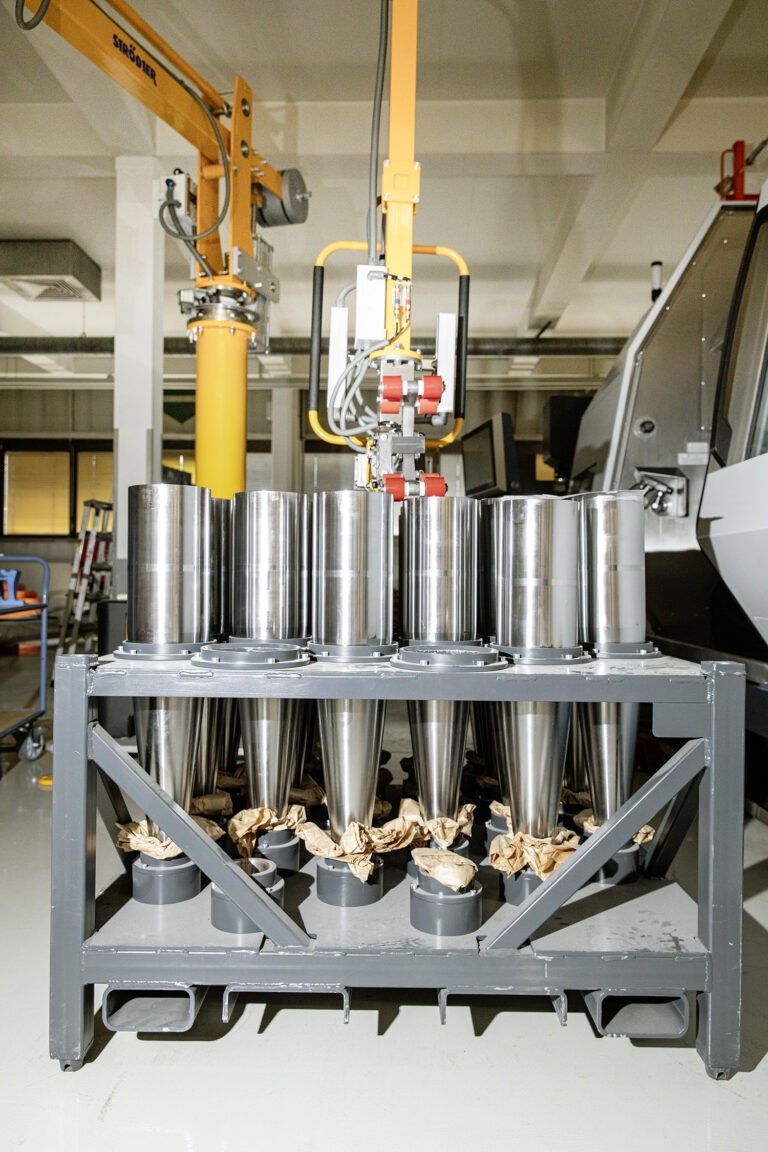
Necessary for military purposes, economically meaningful: massive investment in defence is opening up growth opportunities for the European industry and is providing a structural boost for regions. Modern armaments are high-tech, involving many companies in the supply chain. Dual-use technologies, which can be used for both military and civilian purposes, are also seen as an additional driver of innovation and strategic autonomy for entire economies. The prospects for Europe are good, the technological know-how is there. At the same time, a shift in mindset is taking place: customers, investors, and employees are increasingly considering defence to be a positively valued and future-proof sector.
More European Sovereignty
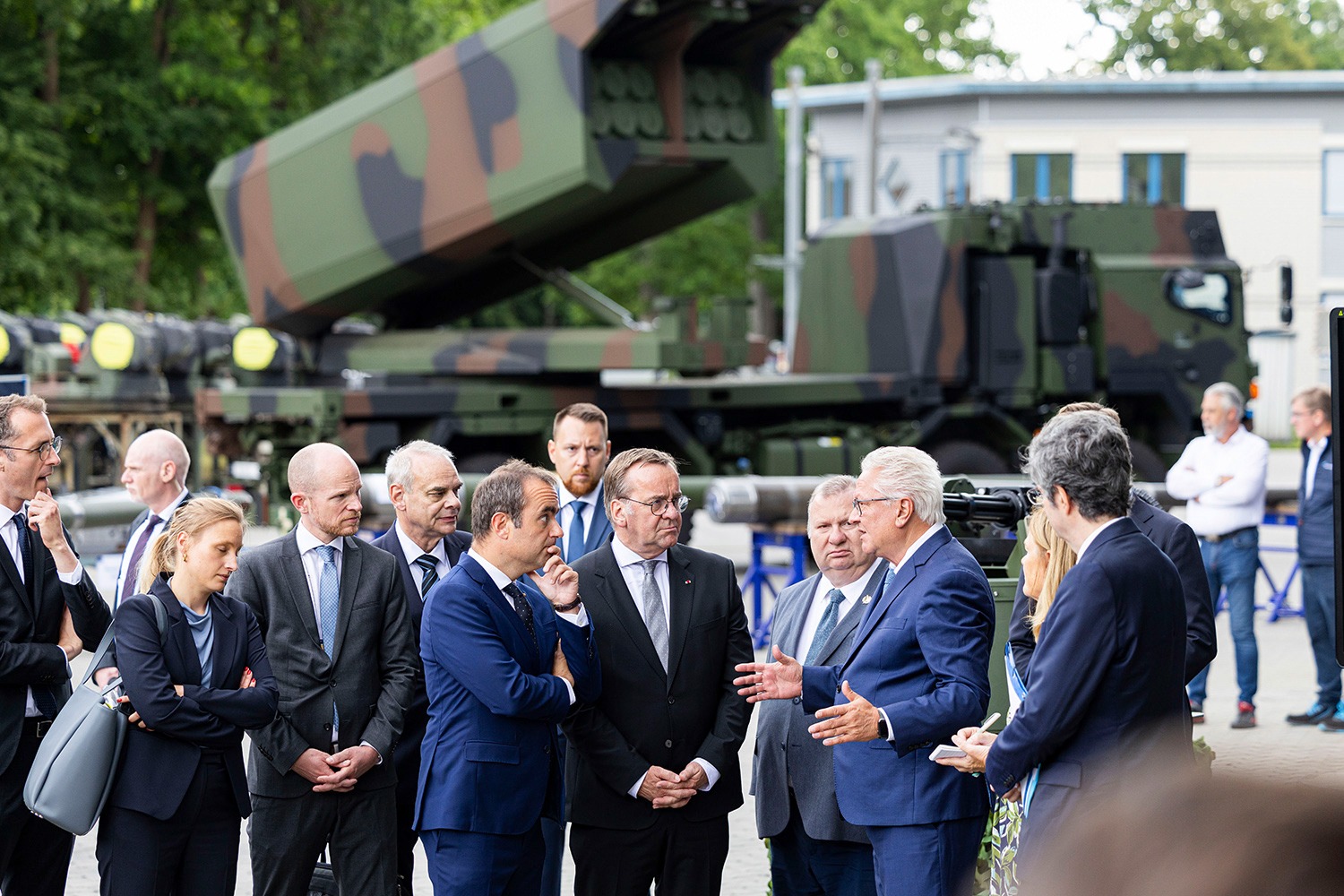
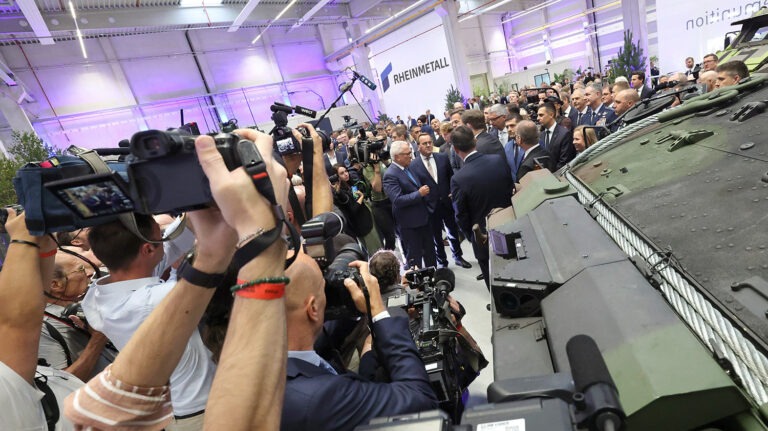
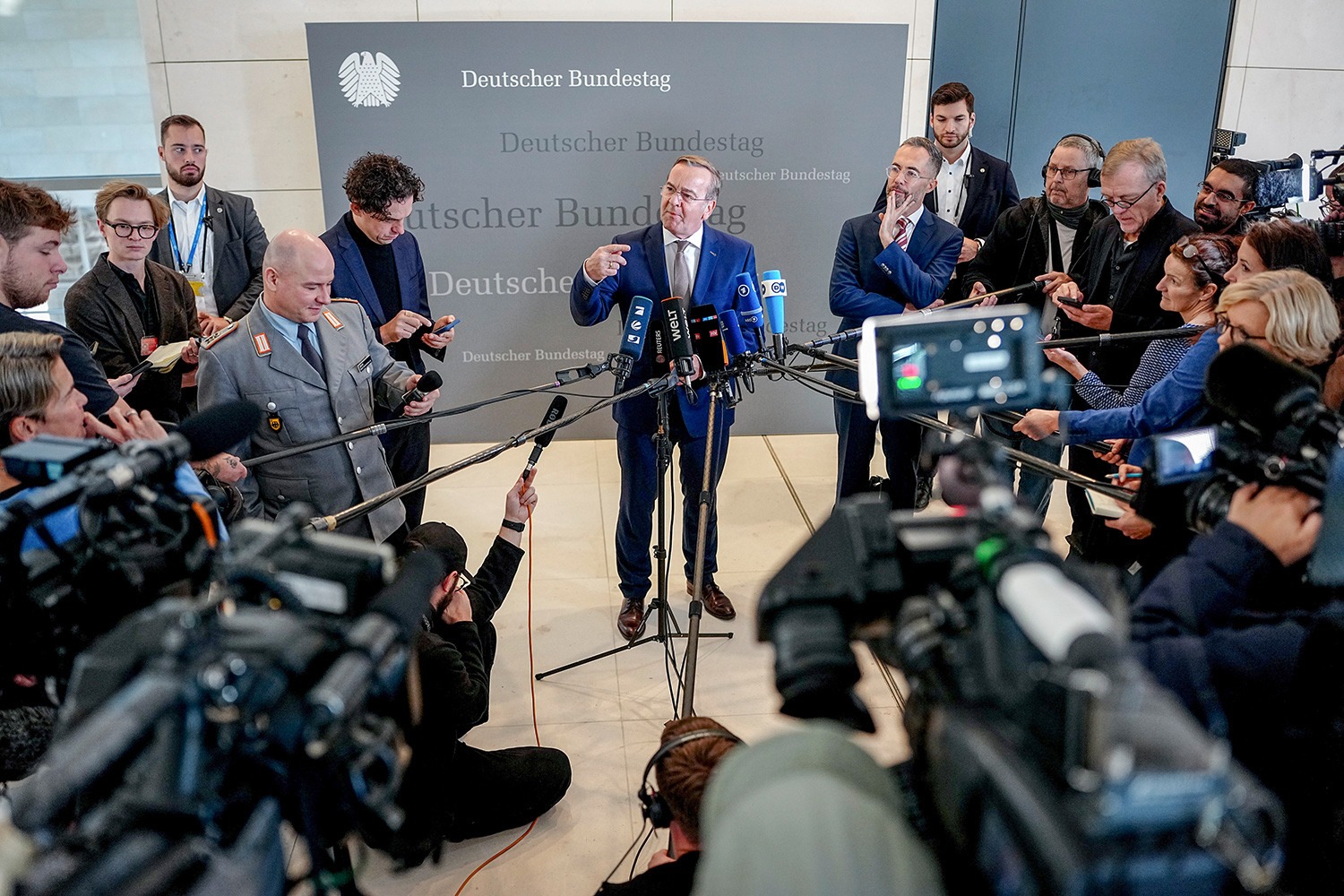
The potential of an integrated European defence system is enormous. Coordinated procurement increases order volumes, creating scope to expand production capacity as required. Reducing bureaucracy and conducting more joint research will strengthen the defence industry in the long term. One such flagship project is the Franco-German Main Ground Combat System tank programme. The land combat system of the future, which Rheinmetall is developing together with Thales and KNDS, is set to be launched in 2040. During their visit to Unterlüß in July 2025, Rheinmetall CEO Armin Papperger received political backing from German Defence Minister Boris Pistorius and his former French counterpart, who is now Prime Minister, Sébastien Lecornu.
Modernisation of conscription
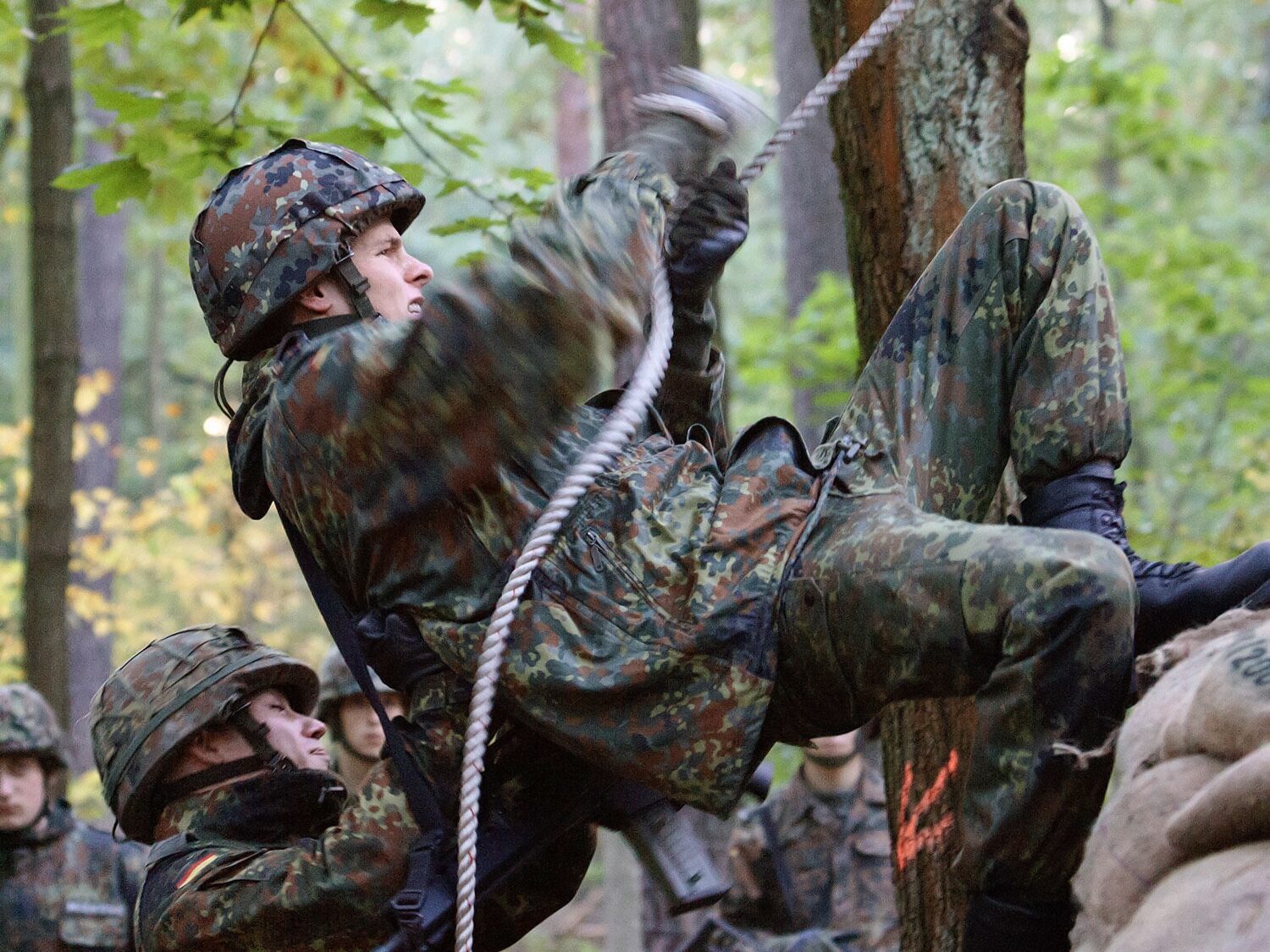
In addition to rearmament, the strength of a country’s armed forces is crucial for its defence capabilities. France intends to strengthen its army by introducing a new voluntary service scheme. Germany has recently reformed its compulsory military service. According to the annual population survey conducted by the Bundeswehr Centre of Military History and Social Sciences, there is certainly no shortage of volunteer combatants in this country: in the age group of 20–40 alone, 54 per cent of men and 23 per cent of women say they would be willing to defend the country. According to the census, this equates to over five million men and over two million women in absolute terms.
Since Russia’s total invasion of Ukraine in 2022, war has returned to Europe. It has long since posed a direct threat to Germany’s security. This horror scenario was actually thought to have been overcome with the end of the Cold War. The desire for “never again war”, cherished since the end of World War II, and the hope of creating “peace without weapons” finally seemed to be coming true. Western elites believed in Francis Fukuyama’s thesis of “the end of history”, and Germany disarmed itself.
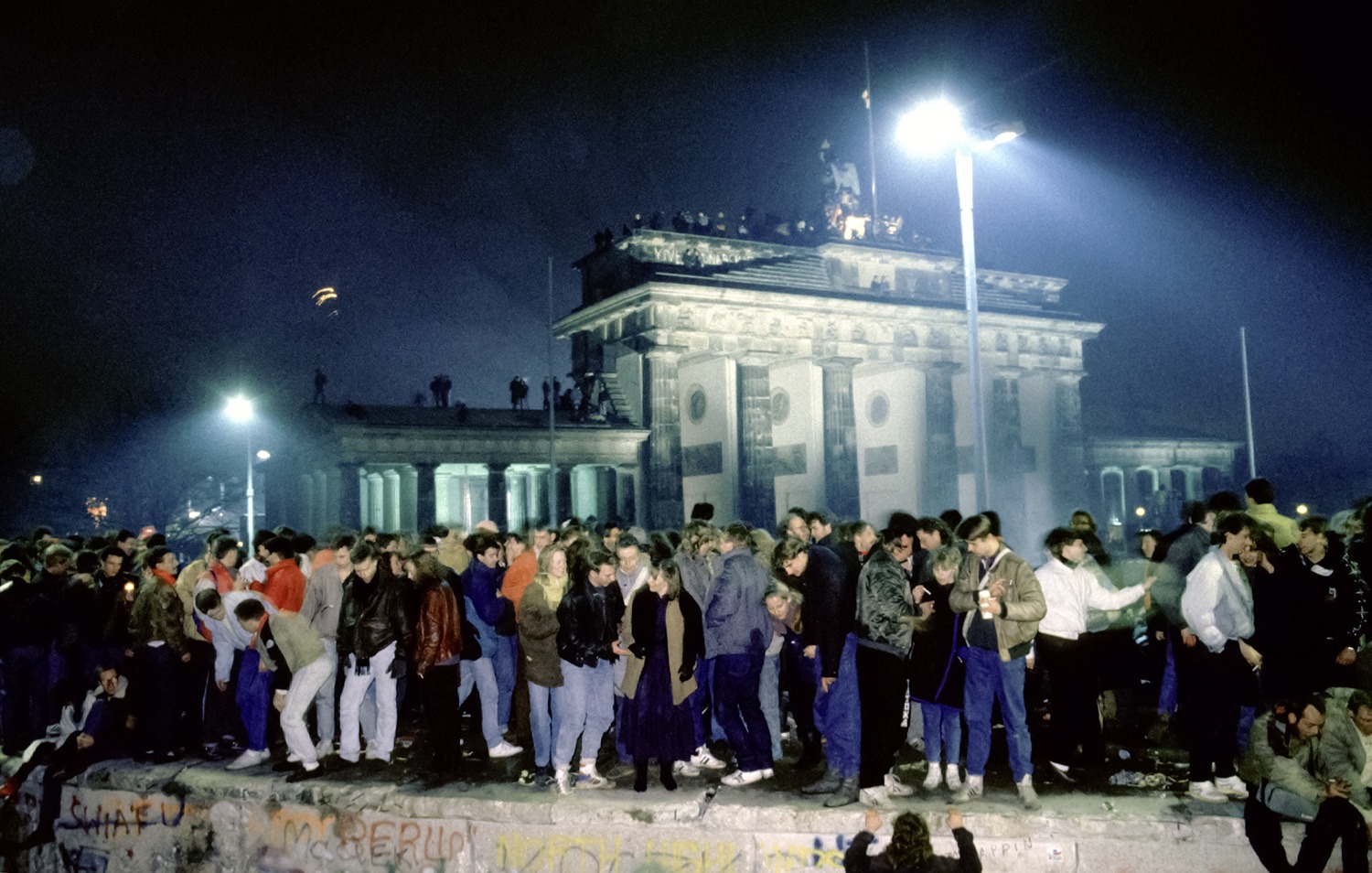
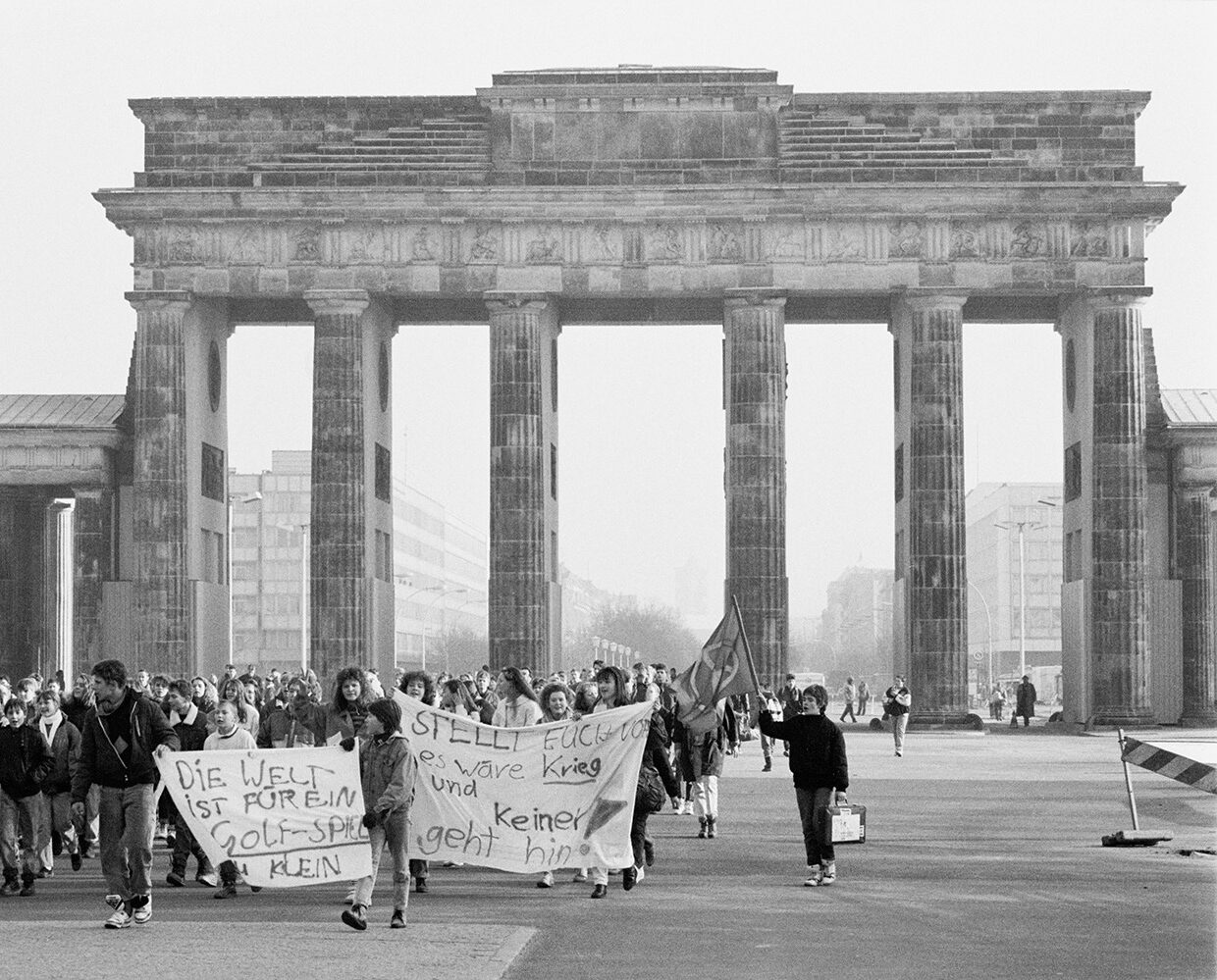
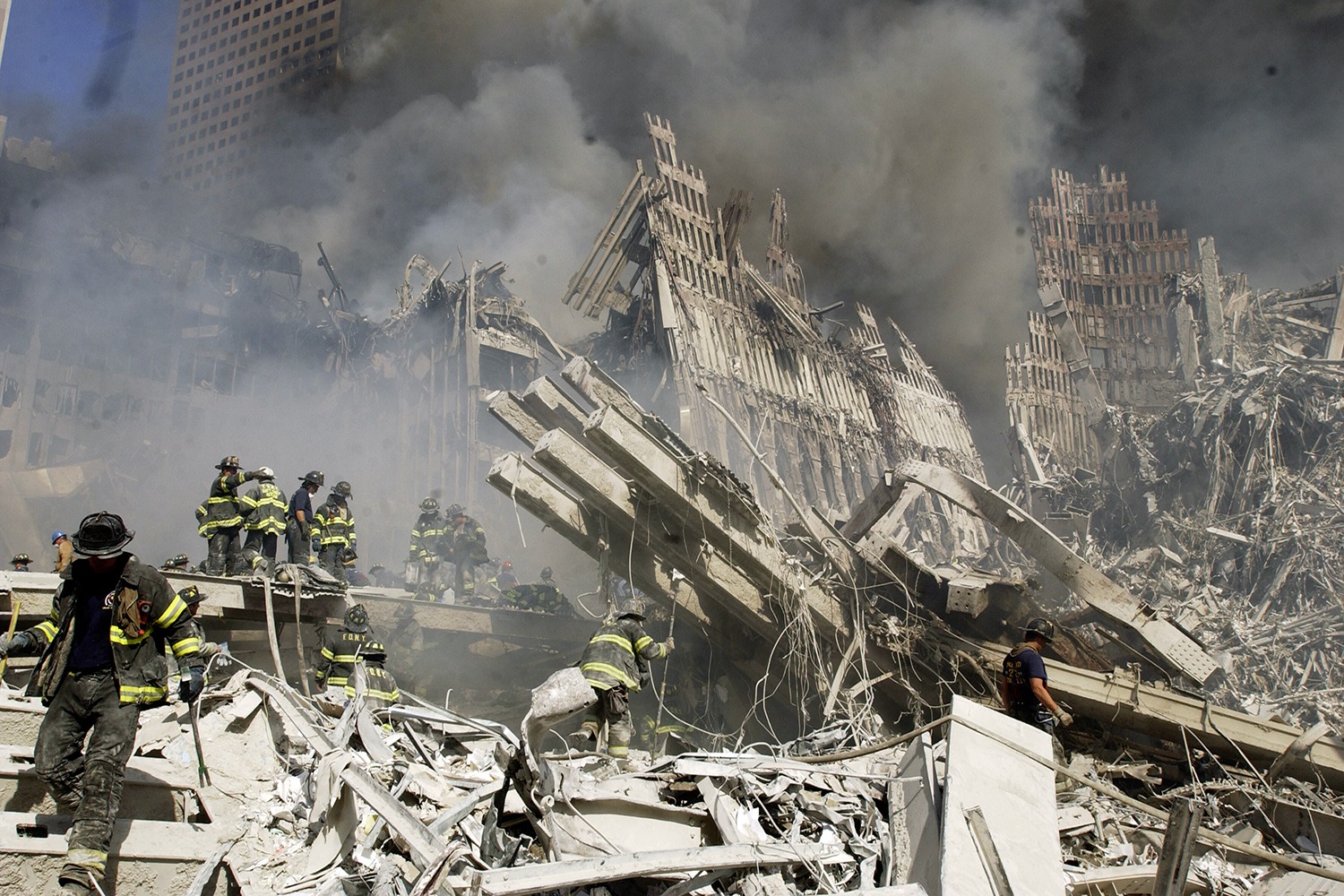
After thirty years of peace in Europe, during which even the Global War on Terror following 11 September 2001 was of little interest to large parts of the population, disillusionment has set in. The epochal shift provoked by Russia is forcing Germany into a U-turn in defence policy: “We are not at war, but we are no longer at peace either,” emphasised German Chancellor Friedrich Merz in autumn 2025. The former “civilian power” is setting out to become Europe’s strongest conventional military power.
The fact that this change of course has met with such broad support among the population surprises many actors in the media, politics, and academia. After all, Germans are considered to be pacifists. At a closer view however, it is apparent that the majority’s attitude on security issues is shaped by pragmatism and is not constrained by ideological guardrails. This change in defence policy is accompanied by a “turning point in mindset”. The majority has understood that freedom must be defended in times of peace – if necessary, even with weapons.
From chequebook policy to the deployment order
With the end of the Cold War, Germany found itself “surrounded only by friends”. This reinforced the view held by many in politics and society that the armed forces should be downsized, and that the resulting “peace dividend” be made available to other departments. From then on, Germany defined its role in foreign policy as that of a civilian power. The Federal Republic assumed responsibility for international security primarily through financial, economic, and development aid, and less through military engagement – following the motto “creating peace without weapons”. Yet this chequebook diplomacy offered no lasting solution. Alliance commitments and the desire for global engagement transformed the Bundeswehr from a defence force into a flexibly deployable instrument of German foreign and security policy. Across the globe, it made its contribution to numerous crisis-management and stabilisation missions.
However, not everyone understood that Germany’s security was also being defended in the Hindu Kush, as former Defence Minister Peter Struck put it in 2002. Even within the Bundeswehr itself, the purpose and legitimacy of these missions were critically questioned – at least in retrospect. The 2023 handbook Innere Führung (Internal Leadership), referring to leadership development and civic education, states: “Due to a lack of strategy and the assumption that society is looking critically upon its military, political decision-makers often downplayed and glossed over the objectives of deployments. […] The justification and legitimisation of overseas engagements were often perceived as insufficient to derive any lasting sense of purpose from them.”
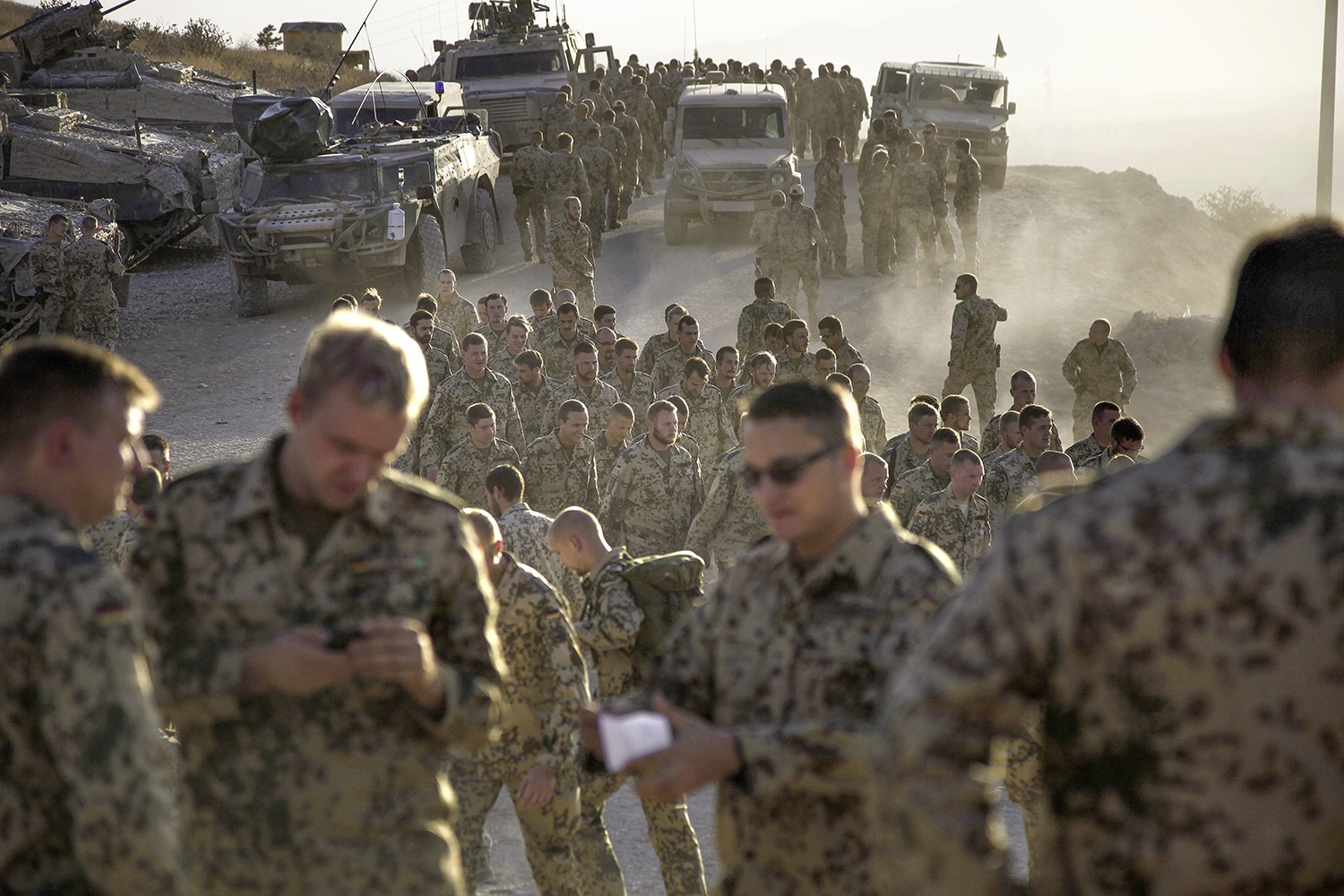
In the period that followed, these overseas engagements were met with largely critical public opinion. Representatives from politics and the Bundeswehr, however, interpreted this attitude not as criticism towards the armed forces’ political mandate, but as an expression of a fundamentally military-critical attitude within German society. The allegedly pacifist and post-heroic character of the German population was frequently invoked as an explanation for the growing gap between civil society and the deployed armed forces.
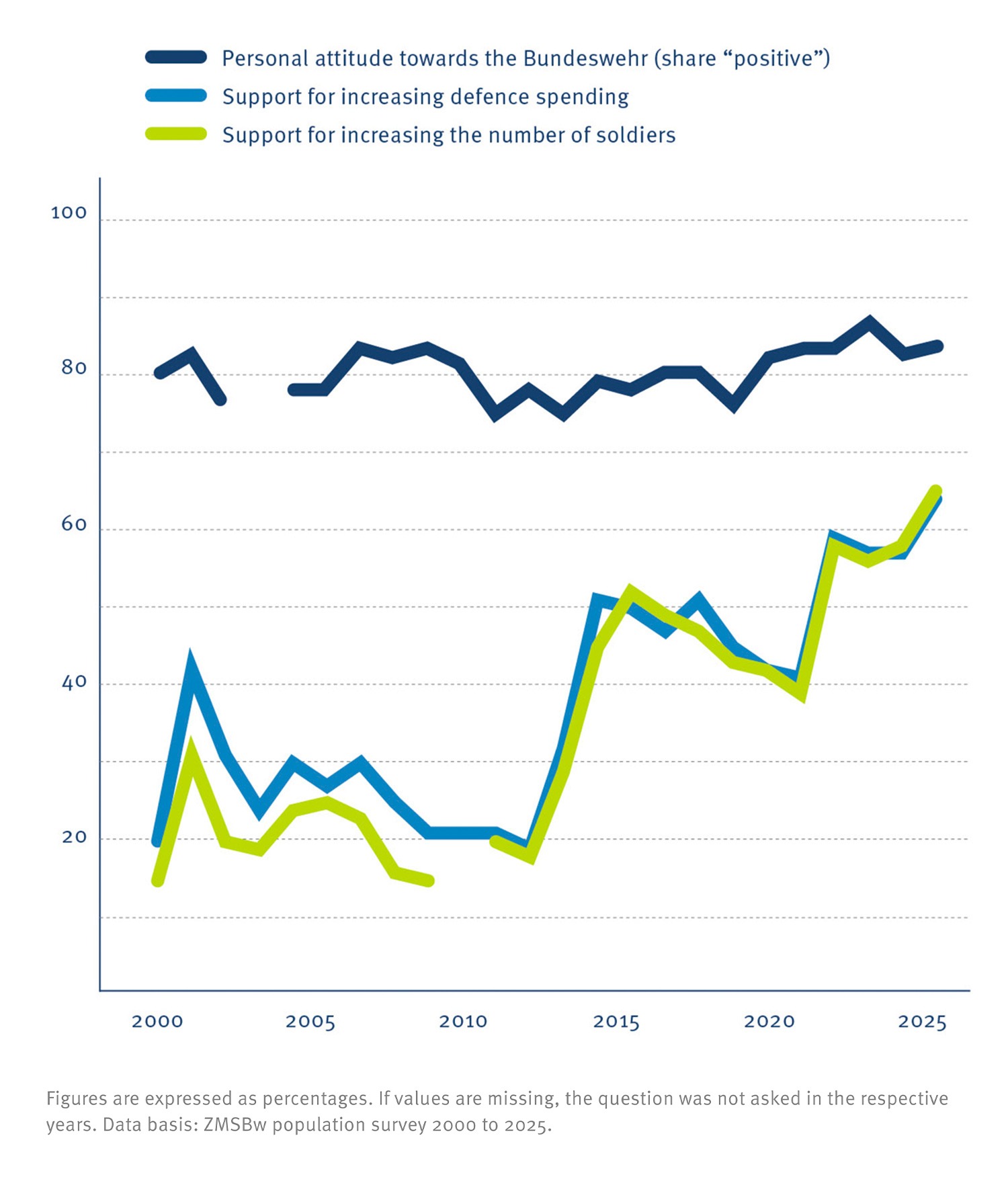
The suspension of compulsory military service in 2011 and the continuing downsizing of the armed forces reinforced this perception further. In doing so however, one crucial fact was overlooked: since 2000, at least three-quarters of the population have consistently expressed a positive attitude towards the Bundeswehr. Long before 2022, a large majority of the population supported the soldiers of the Bundeswehr – just not every war of choice to which they were sent by the government and parliament.
This is how Germans feel about the Bundeswehr

Wars of Choice
are military operations based on political decisions – such as missions aimed at stabilisation or peacekeeping abroad. By contrast, wars of necessity serve the purpose of immediate national defence.
A turning point in politics – and in mindset
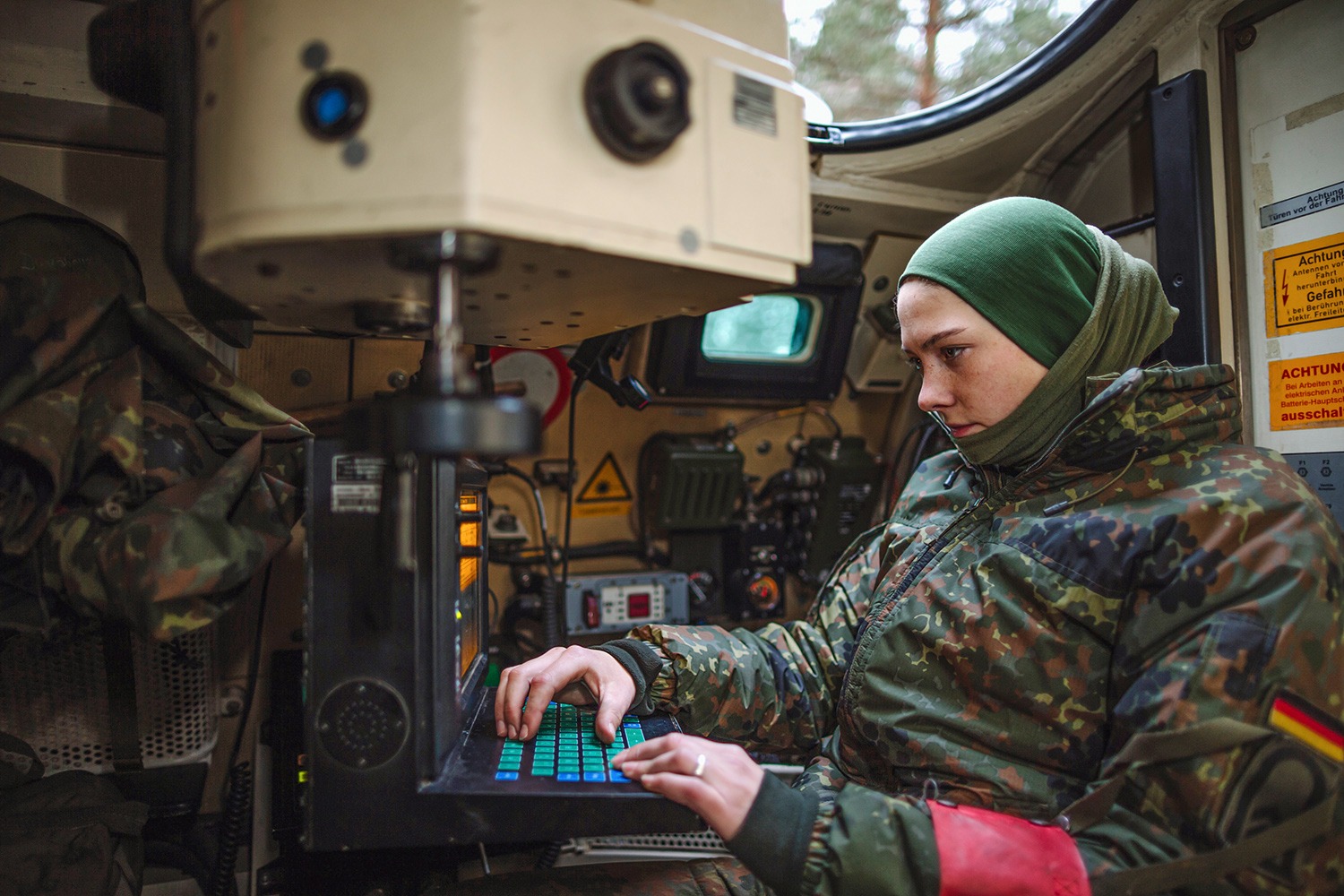
Russia’s war of aggression against Ukraine has brought the era of wars of choice to an end and forced a realignment of German defence policy. Unlike during the interwar period from 1990 to 2021, the fundamental question “Is there a need for armed forces?” has once again received a clear answer since 2022: defence is an essential public responsibility. For the first time in more than 30 years, European and national security are once again under military threat. In order to deter Russia’s military aggression, the Bundeswehr is returning to national and alliance defence as its main objective. For Germany to be able to fulfil this mission in full, it must strengthen its armed forces massively, both financially and in terms of personnel.
According to the assessment of the former Inspector of the German Army, Lieutenant General Alfons Mais, the Bundeswehr was “more or less bare” in 2022. To strengthen defence capabilities, the Federal Government made available a one-time special fund of €100 billion as start-up financing immediately after the outbreak of war. Since 2025, it has suspended the constitutional debt brake for defence and security spending. Germany is also accelerating the procurement of new equipment and, from 2026 onwards, introduced a new voluntary military service, which includes compulsory military registration for men.
This shift in defence policy may not be progressing quickly enough for some analysts and decision-makers, but its significance should by no means be underestimated: Germany wants to develop from its former status as a civilian power into Europe’s strongest conventional military power – and the majority of citizens support this U-turn. The changes in public opinion on defence policy since 2022 are so significant that one can speak of a turning point in mindset.
Keeping track of public opinion
What is the public opinion on current political, economic, and social issues? How do these issues affect daily lives? What are people worried about? Corresponding surveys can provide data-driven, insightful answers to these questions. The success story of modern opinion research began with a spectacular prediction: in 1936, social scientist George Gallup claimed that surveying just 2,000 people would allow him to predict the outcome of the US presidential election more accurately than traditional reader polls involving millions of participants. He was right. Opinion research is more popular than ever. It is not just politics that love the supposed certainty of figures, but also the media and the business world. However, not all surveys are created alike. Those lacking a scientific basis are on the rise, particularly on social media. Leading questions are designed to sway public opinion. To obtain reliable results regarding the attitudes of the respondents, methodological rigour is essential: a genuinely random sample being as representative as possible of the total population is just as important as a valid questionnaire which is free from manipulative wording. Opinion pollsters have a great responsibility, making the quality of their surveys all the more important. This is particularly true for socially relevant and sometimes rather controversial topics such as defence. Valuable insights concerning the turning point in mindset are presented in the annual population survey conducted by the Bundeswehr Centre of Military History and Social Sciences.
A change of mentality in figures
Since 1996, the Bundeswehr Centre of Military History and Social Sciences (ZMSBw) has conducted an annual representative population survey on the relationship between society and the Bundeswehr. According to the latest edition from September 2025, two-thirds of people in Germany currently see Russia as a threat to the country’s security, while almost half feel personally threatened by war in Europe. By comparison, before 2022 only a third considered Russia to be a threat and a mere 15 per cent felt affected by war in Europe. In the current situation, two-thirds of the citizens also support strengthening the Bundeswehr both financially and in terms of personnel – more than ever before. Support for the defence of NATO’s eastern flank has also risen sharply since 2022. An absolute majority advocates the introduction of a new form of military service. And that is not all. In the age group most directly affected – those aged 16 to 29 – 45 per cent of men would defend the country with a weapon in hand in the event of a military attack.
Majority consensus
The latest survey shows clearly: strengthening the Bundeswehr and thus national defence capabilities is a consensus shared across society as a whole. It is supported by an absolute majority in all groups of the German population – regardless of gender, age, level of education, income, migration background, or party preference. Fewer than 10 per cent support a reduction in defence spending and in the size of the Bundeswehr, while a quarter favours maintaining the current level. The German population demands nothing more or less than what is laid down in the Basic Law: the Federation shall establish armed forces for defence.
Despite forced saving: security over social benefits
From a financial perspective, too, defence is enjoying a high priority among the population: 67 per cent support an increase in the defence budget – despite the limited state budget. Military security therefore ranks ahead of pensions (62 per cent), digitalisation (62 per cent), economic and industrial funding (52 per cent), environmental protection (41 per cent), development aid (23 per cent), and unemployment benefits (19 per cent). In other words, most citizens see greater scope for savings in the latter areas than in the security of their country.
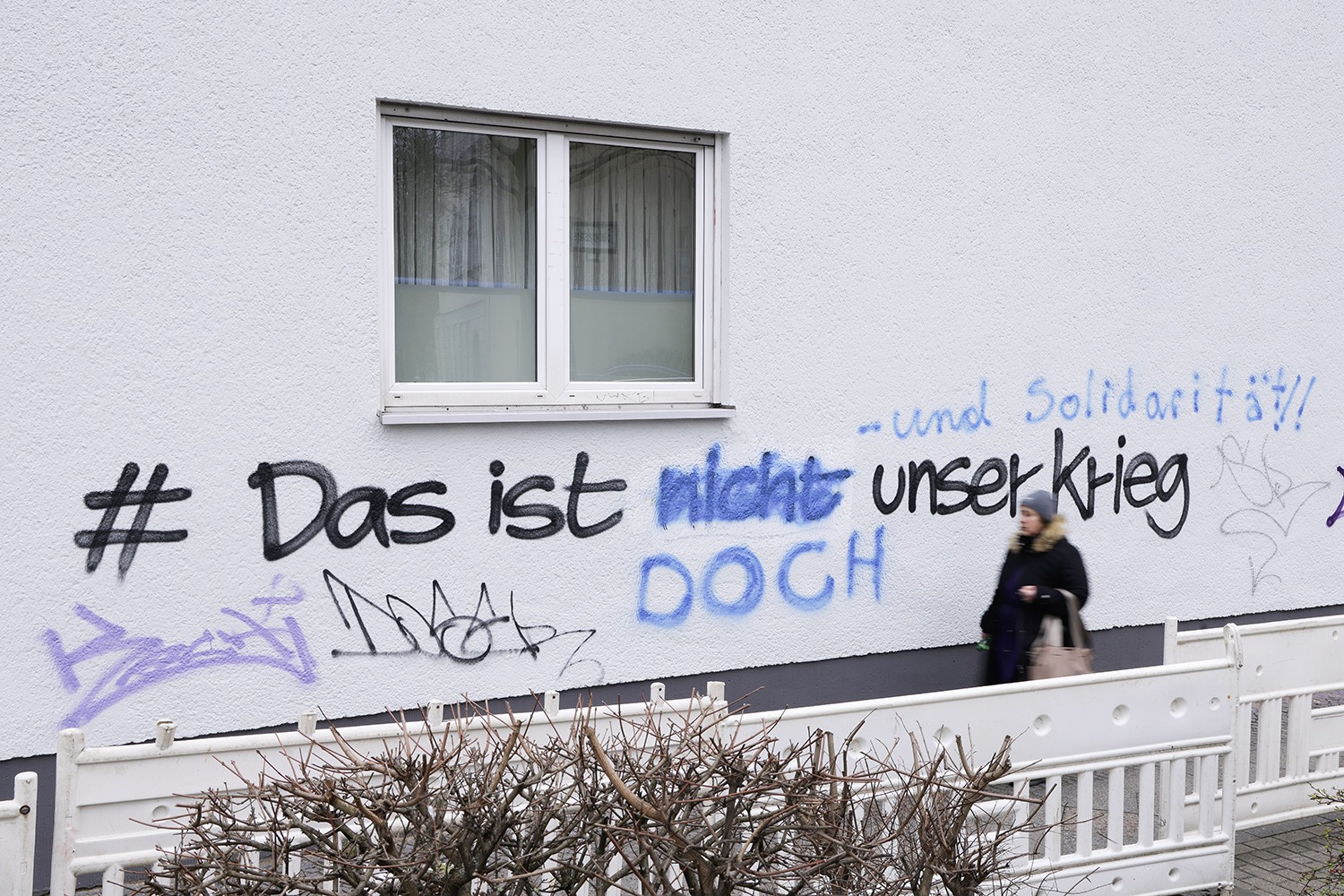
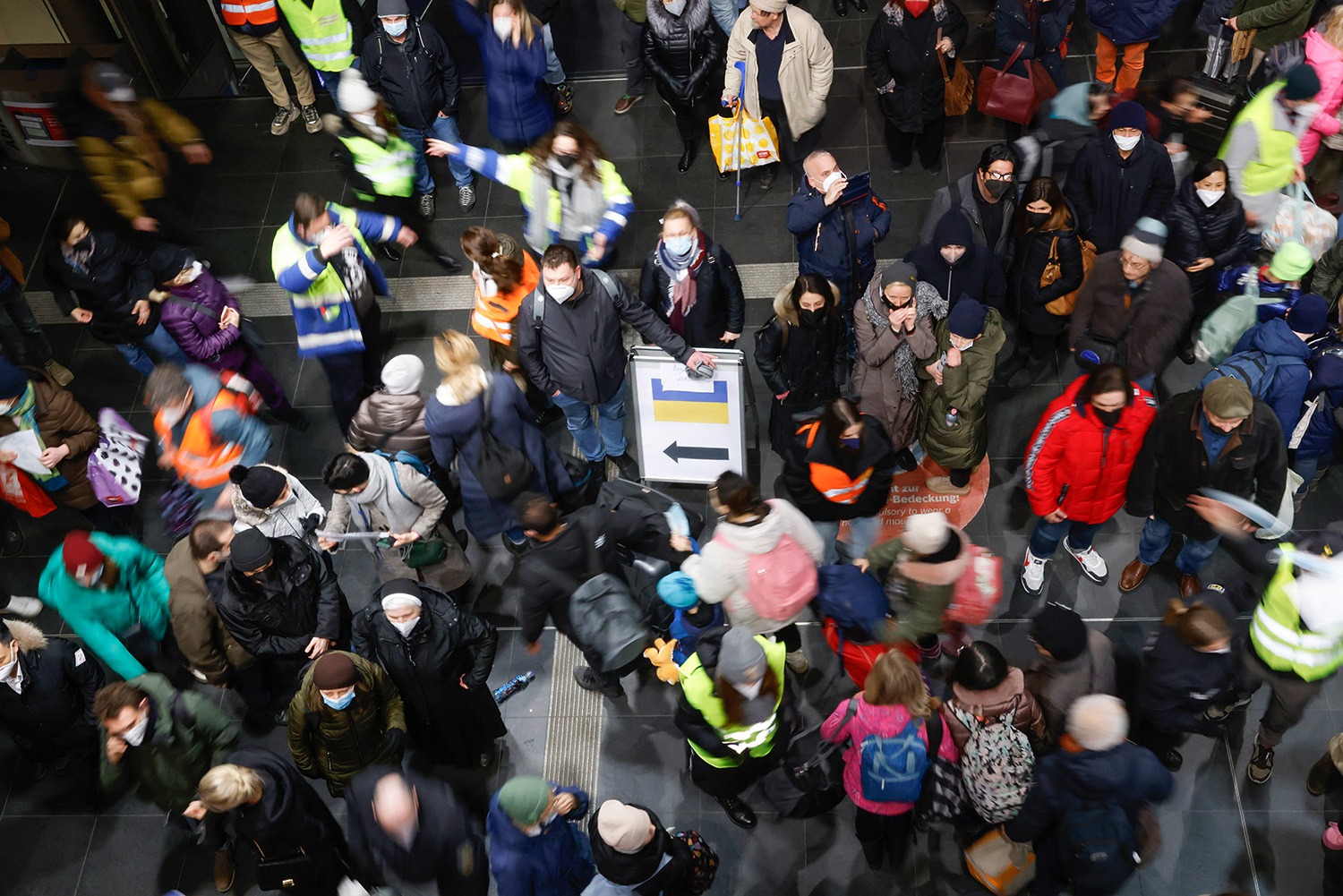
Perception of military threats to one’s own security
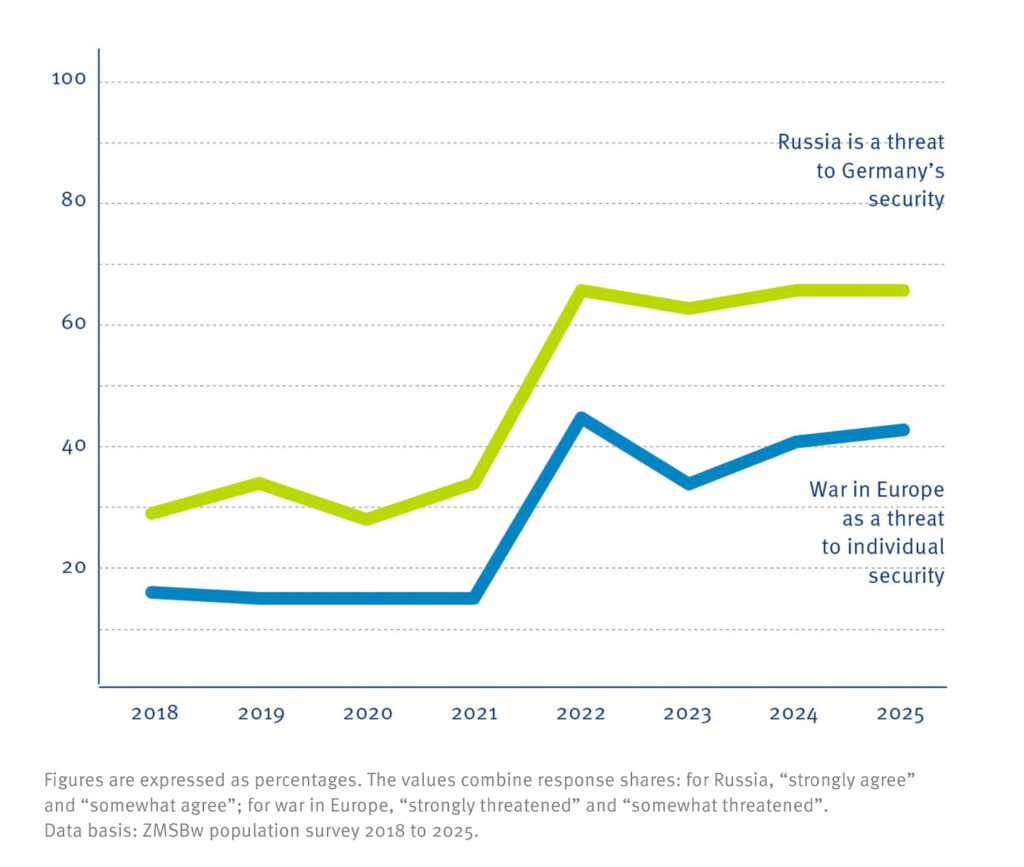
How the threat situation changes public opinion
The German public’s desire to strengthen the country’s defence capabilities is currently shaped by the perceived military threat posed by Russia. Respondents who perceive Russia as a threat to Germany’s security are far more likely to support an increase in defence spending and military personnel (73 per cent) than those who do not see such a threat (39 per cent). Even when other factors, such as personal attitudes towards the Bundeswehr, are taken into account, nothing shapes public support for strengthening the armed forces more than the perceived threat by Russia – by far.
The major role that the assessment of geopolitical conflicts generally plays in shaping public opinion on defence can also be seen in earlier events: both in 2001, following the terrorist attacks of 11 September, and between 2014 and 2016, following Russia’s annexation of Crimea and the civil war in Syria, public support for strengthening the Bundeswehr rose sharply. The population thus responded to the changing situation of security policy. While 9/11 merely sparked a flash in the pan in citizens’ awareness of security policy, the mental shift observed since 2014 and 2022 has proved to be more lasting.
Is Germany a nation of pacifists?
The turning point observable in public opinion on defence policy is, on the one hand, entirely plausible. On the other hand, it runs counter to an assumption widely spread in politics, the media, and academia that considers the majority of Germans as being pacifists. Interestingly, both supporters and opponents of the turning point in defence policy share this conviction. While the “hawks” feel that the current change in mentality towards greater military readiness is not happening fast enough, the “doves” fear an abandonment of pacifism and a militarisation of German society.
The narrative regarding German pacifism is based on sociological research consensus: the German population is a post-heroic society that consciously distances itself from its past and, as a result, rejects the use of military means in foreign and security policy. As evidence, researchers cite, among other things, critical public opinion regarding the Bundeswehr’s foreign engagements, especially the one in Afghanistan. Empirical studies, however, show that a fundamentally pacifist attitude hardly played a role in this context. Rather, the German population was convinced that the mission in the Hindu Kush had no prospect of success and posed too great a risk to the German soldiers deployed there. Assessments which unfortunately proved to be true.
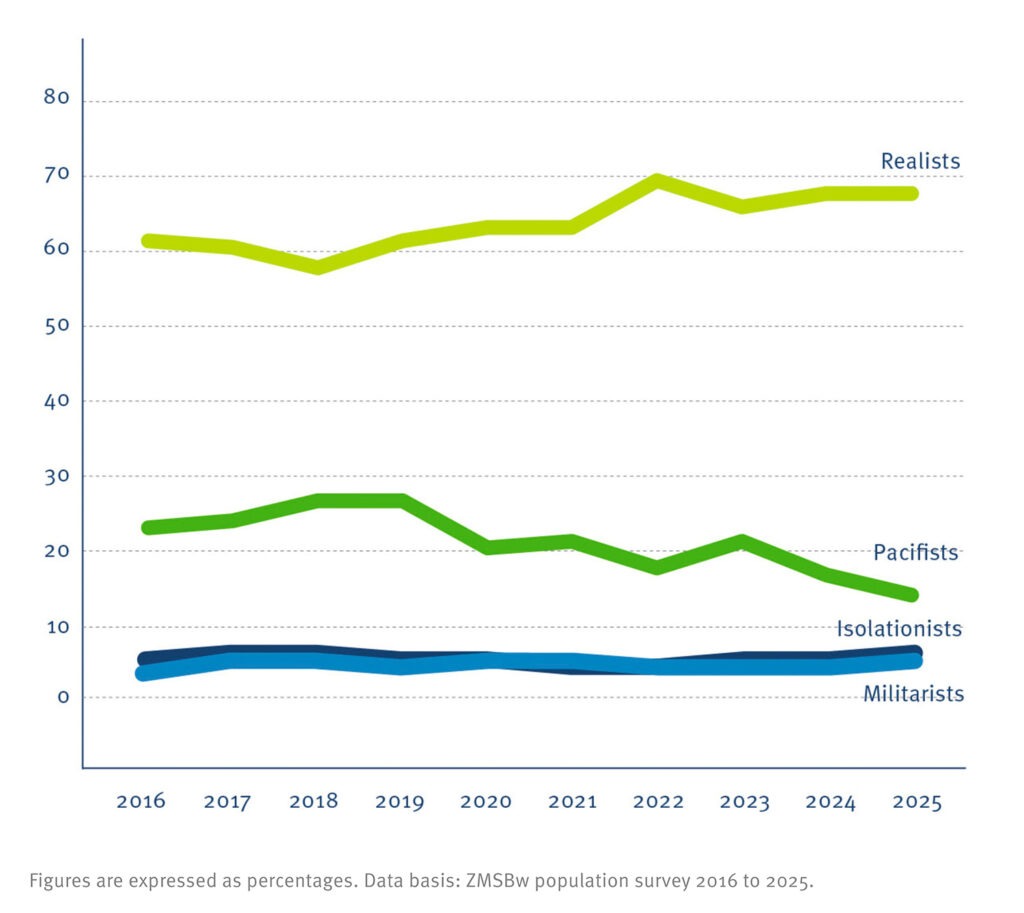
Distribution of security policy types within the German population
Realism as the basis for decision-making on security policy
It is true that the majority of the population generally favours civil solutions in foreign policy. However, this does not make Germans a nation of pacifists. Most citizens do not reject military means categorically. In order to obtain an objective picture of public opinion in German society, it is therefore necessary to determine its fundamental attitude towards both options. Pacifists accept only civil means (approval) and categorically condemn the use of weapons (rejection). This framework also makes it much easier to distinguish them from other types of foreign and security policy attitudes – be they realists (approval/approval), isolationists (rejection/rejection), or militarists (rejection/approval).
Applied to the data from this population survey, a completely different picture emerges from the traditional one. Looking at the German population’s fundamental attitudes towards foreign and security policy over the period from 2016 to 2025 shows that Russia’s war of aggression against Ukraine since 2022 has not led to an abandonment of pacifism in two respects. Firstly, most Germans were already not pacifists but realists even before the war in Ukraine. Secondly, the proportion of pacifists within the German population did not decline as a result of the outbreak of the war in 2022 but had already been decreasing since 2018. Further research shows that political realism is the dominant line of thought across all socio-demographic and voter groups in Germany, both before and after the outbreak of the war. Moreover, there is no empirical evidence of a militarisation of public thinking among Germans. Even before the war, the group of militarists represented a minority, and it has not grown since the outbreak of war. The same applies, incidentally, to the group of isolationists. The turning point in mindset on defence policy can therefore be explained primarily by the fact that the majority of citizens are realists or pragmatists. They align their attitudes towards defence policy with the requirements of the security situation rather than with ideological convictions.
Moving away from pseudo-debates, recognising the societal consensus
The empirical findings make it clear that the debate currently being conducted in politics and the media, at times heatedly, regarding the hoped-for or feared abandonment of pacifism is a pseudo-debate. Its basic assumptions simply do not withstand close empirical verification. Even before the war in Ukraine, the majority of Germans were not pacifists, but realists. They support the current U-turn in defence policy because they see Russia as a threat to Germany’s security. In view of the actual military threat posed by Russia, this legitimate desire for a strengthening of national defence capabilities should certainly not be discredited as a militarisation of public opinion. Consequently, further calls for a profound change of mentality in society seem unnecessary. Military historian Sönke Neitzel shares this view. In his assessment, “[…] society is far more aware of what is at stake than politicians realise”.
Defence as an essential public responsibility
The widespread public support for this turning point in defence policy represents a clear mandate for politicians to once again regard defence as an essential public responsibility and to ensure the protection of the population against military threats. This is the consensus on which a clear majority across all population groups can agree. It is important for politicians and the media to acknowledge this broad societal consensus, as it challenges the narrative of social polarisation and fosters confidence in the solidarity of the democratic community. There may well be a few genuine warmongers and too many Putin sympathisers in Germany, but they do not represent majorities within the population, and should therefore not dominate the public and political discourse on the defence of our security and freedom, no matter how effectively they stage themselves in the media.
However, the debate also involves many actors who have either failed to update their outdated views on the world or deliberately refuse to do so. Many still believe that Germans are pacifists – despite the obvious mental shift concerning defence policy. When Germany was surrounded only by friends, it could afford such ignorance and intellectual lethargy.
Since Russia’s full-scale invasion of Ukraine, the situation has changed. Anyone who continues to believe that the majority of Germans are pacifists runs the risk of pursuing a policy of self-deterrence rather than an effective defence policy, as demanded by a clear majority of citizens. Conversely, anything other than a resolute continuation of this turning point in defence policy carries the risk of many citizens losing confidence in a state capable of taking action and a democracy capable of defending itself.
The ZMSBw population survey 2025, entitled “Deutschland in der militärischen Führungsrolle?” (“Germany in a Military Leadership Role?”), can be found online here.
Timo Graf
is a military sociologist at the Bundeswehr Centre of Military History and Social Sciences (ZMSBw) in Potsdam and head of the annual ZMSBw population survey.

Click here to receive push notifications. By giving your consent, you will receive regular updates about new articles on the Dimensions website. This notification service can be cancelled at any time in your browser settings or your mobile device settings. Your consent expressly also covers data transfers to third countries. Further information can be found in our privacy policy under Section 5.