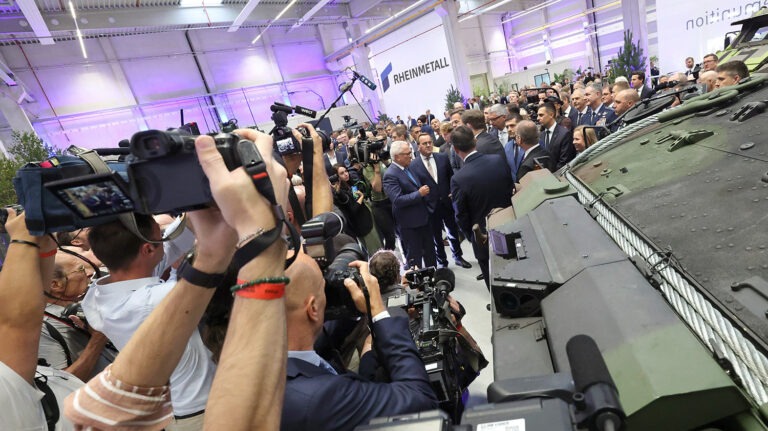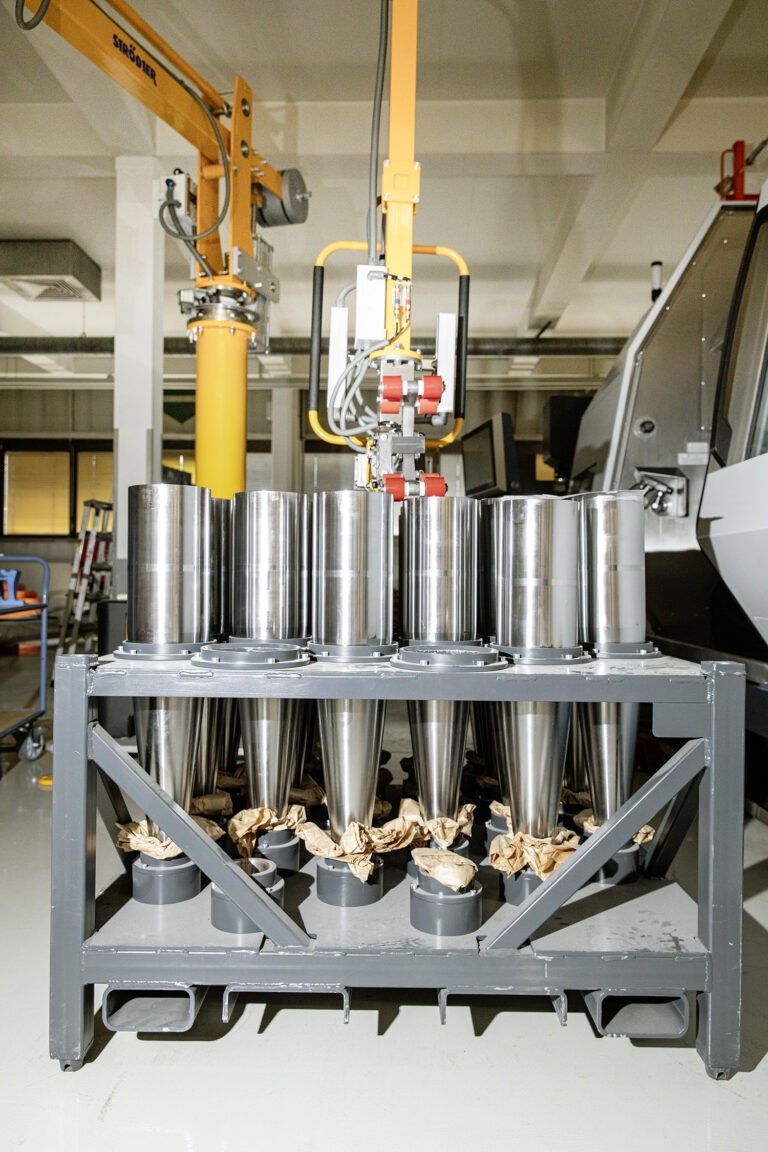
From cars to artillery
8. July 2026
23. June 2026 - from Burghard Lindhorst
If required to defend, the German armed forces do not only fight at NATO’s external borders. Crucial tasks must also be carried out directly within Germany. The Operational Plan for Germany, Germany’s national operational defence plan, coordinates military planning with civilian authorities and organisations.
“We are ready – even in the operational area”
Paul Walf, CEO of Rheinmetall Project Solutions GmbH, talks to DIMENSIONS about mobile field camps, the cooperation with the Bundeswehr, and his company’s role in the Operational Plan for Germany.
Mr Walf, in February of 2025, Rheinmetall Project Solutions signed a framework contract with the Bundeswehr for logistical services relating to troop deployments. With this major contract, you are the first industrial partner to take on tasks as part of the Operational Plan for Germany. What are these tasks?
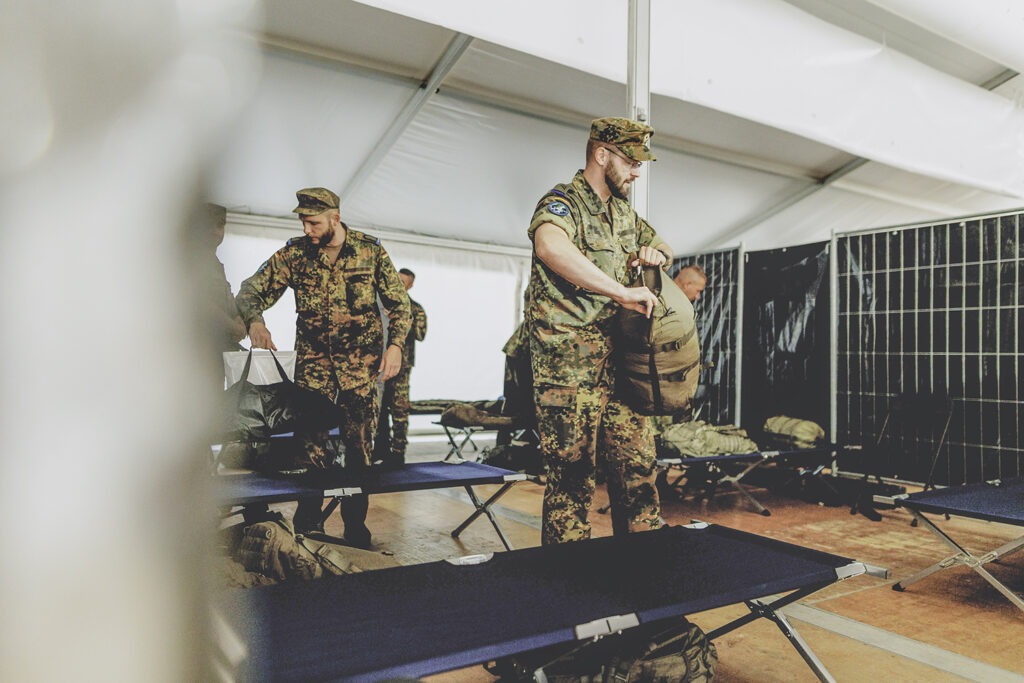
As a contractual partner of the Bundeswehr, we are responsible for setting up and operating field camps in designated operational areas. Specifically, this involves providing logistical support for the deployment of forces through, within, and out of Germany. We set up holding and assembly areas – known as Convoy Support Centres (CSCs) and marshalling areas – for the Bundeswehr and for allied forces from NATO, the United Nations, the EU, and the Partnership for Peace countries. The contract covers both training operations in peacetime and, for the first time, operations in the context of national and alliance defence.
There are many logistics service providers. What does Rheinmetall Project Solutions offer that others do not?
We see ourselves as a full-service partner for the Bundeswehr and allied forces in the areas of infrastructure, medical facilities, and explosive ordnance disposal. Our self-conception is this: whatever services the customer requires, we are ready – even in an operational area. One of our key advantages is the extensive experience we have gained from the Bundeswehr’s overseas deployments. We have set up numerous field camps, and know about the specific requirements.
What can troops on the move expect at the temporary Convoy Support Centres?
The camp is fully equipped and can accommodate up to 500 soldiers. It has 48 showers, a field kitchen offering a choice of meals, and five vehicle refuelling points. The fence-enclosed site is protected by a private security service. We also monitor the area within a 20-kilometre radius using drones.
How long does it take you to set up such a mobile barrack?
It depends on the situation. For planned training exercises by the Bundeswehr, we are given sufficient time in advance. In the event of national or alliance defence, we can set up field camps at pre-surveyed sites very quickly. Full operational capability can be reached within a few days.
How many field camps can you operate simultaneously in case of an emergency?
We can set up and operate at least ten Convoy Support Centres and three marshalling areas at the same time. Our partner companies provide the necessary equipment and personnel. Experienced teams from Rheinmetall Project Solutions handle on-site coordination and management. These employees are highly skilled in military logistics processes and can be redeployed from our daily business at short notice in the event of a national or alliance emergency.
The Bundeswehr tested the concept for the first time during the Quadriga 2025 exercise. What lessons did you learn?
We consistently receive very positive feedback from the participating soldiers. Following each exercise, we hold joint workshops with the client to identify areas for improvement ahead of the next deployment. As part of its training operations, the Bundeswehr must call off services under the framework agreement at least three times a year. Currently, coordination is handled by the Bundeswehr Operational Command. In the future, however, this responsibility will lie with the Army’s Land Component Command. Overall, our cooperation with the Bundeswehr is characterised by a high degree of trust and mutual professionalism.
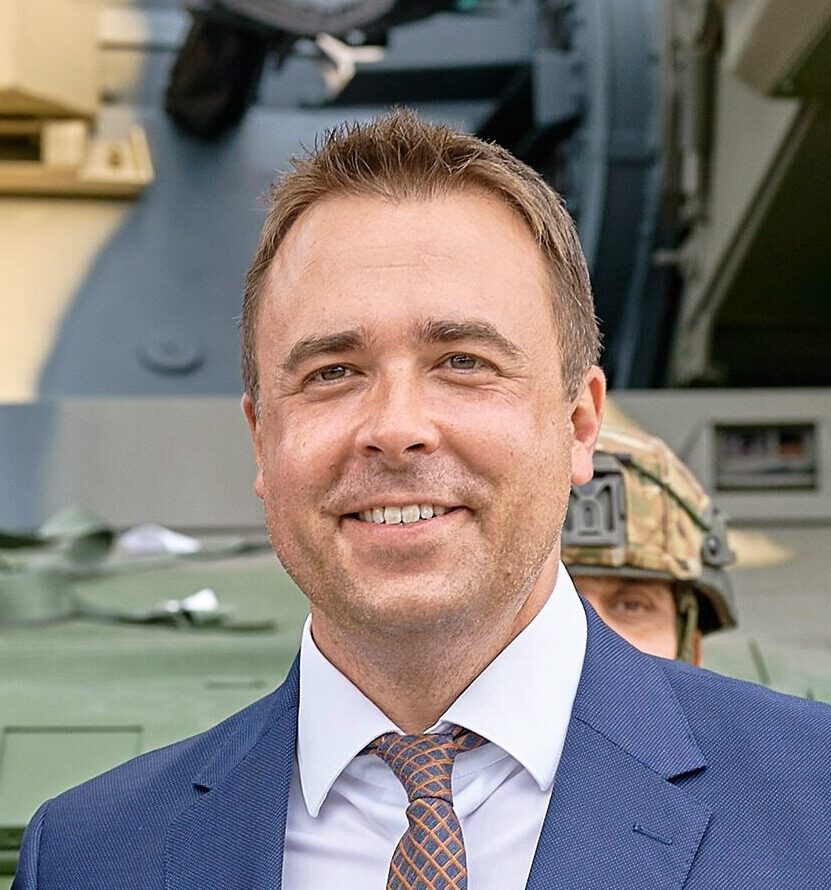
Paul Walf,
has been in charge of the Projects and Services business unit since 2026. Prior to this, he was CEO of Rheinmetall Hungary Zrt., where he was responsible for setting up the plant in Hungary.
In response to Russia’s open and covert hybrid warfare in Europe, Germany is fundamentally realigning its defence capabilities. Purely military measures are not sufficient for this. All civil authorities and aid organisations, such as the Federal Agency for Technical Relief and the German Red Cross, are playing their part.
The Operational Plan for Germany
Experts from all branches of the Bundeswehr, who are working together with representatives of the federal, state, and local authorities, the emergency services, and the business community, have developed the military component of a national defence plan: the Operational Plan for Germany (OPLAN DEU). The Bundeswehr Operational Command in Berlin is responsible for the continuous updating of this classified document comprising more than 1,000 pages.
Planning provisions
OPLAN DEU brings together the military components of national and alliance defence in Germany with the necessary civilian support services. The aim is to ensure rapid action across all departments and state borders. The focus is on the procedures, processes, and responsibilities for the coordination of all involved players with regard to two main tasks:
Military protection
In Germany, the Bundeswehr is not only responsible for protecting military facilities such as barracks, airfields, and ports. Its tasks also include securing critical infrastructure, such as power stations and bridges. The newly established Homeland Defence Division of the Bundeswehr is particularly involved in this task. The other branches of the armed forces also have specialised protection units.
Germany as a hub
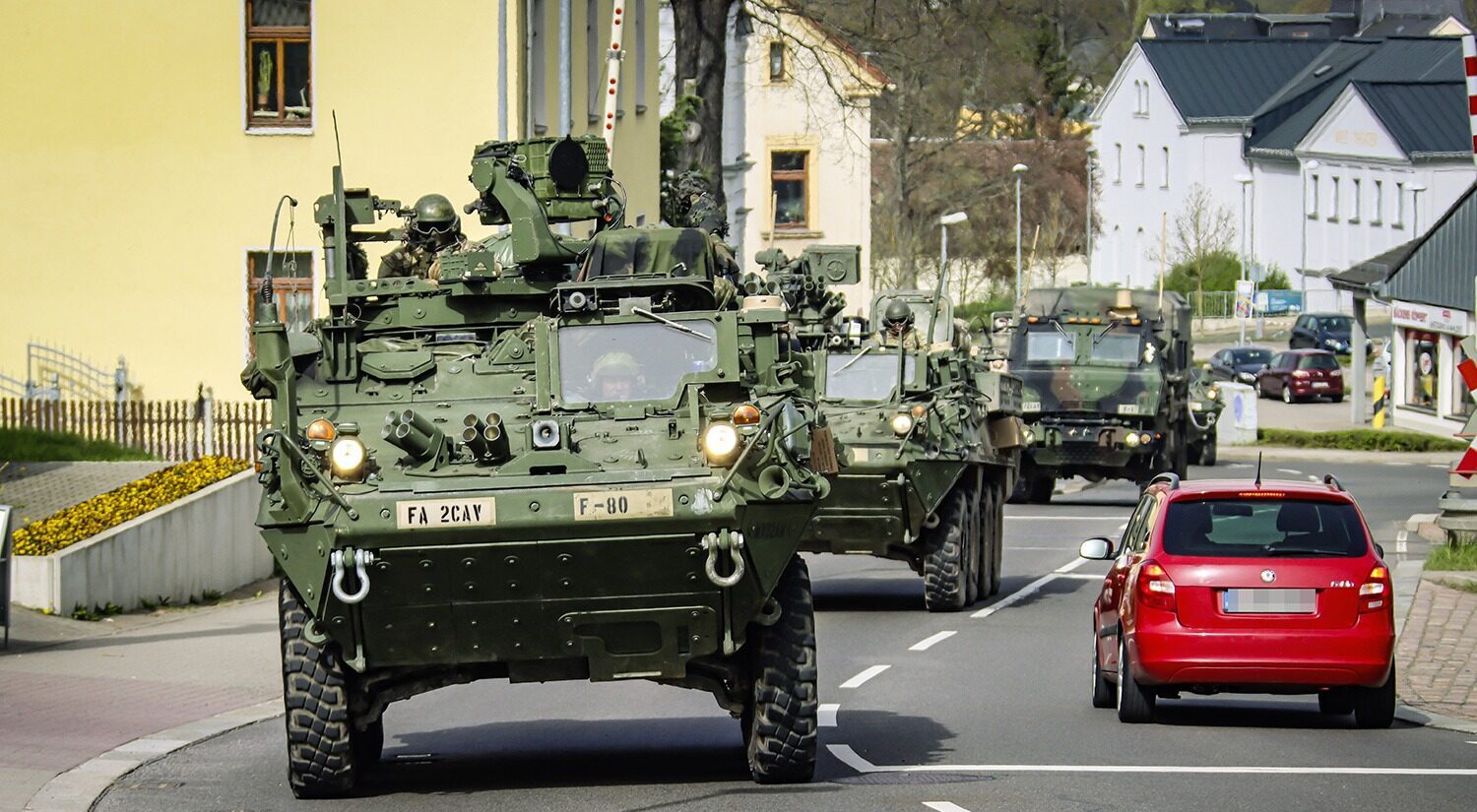
Should the security situation worsen, large NATO contingents will be deployed to the Alliance’s eastern flank. According to NATO plans, up to 800,000 soldiers with up to 200,000 vehicles will move into their areas of responsibility via the “Germany hub” within six months. Whether by road or rail, via sea or airports: during this transit, the soldiers must be protected and supplied. OPLAN DEU defines the requirements for the Bundeswehr as well as for other state and civilian organisations in this regard.
Civilian support
Maximising civilian support is a key element of OPLAN DEU. Various tasks must be carried out through coordinated and targeted cooperation at federal, state, and local levels. For instance, decisions need to be made regarding transport routes, relevant bridges, the location of temporary holding areas, and protective arrangements in close consultation with the police.
Premiere in Upper Lusatia
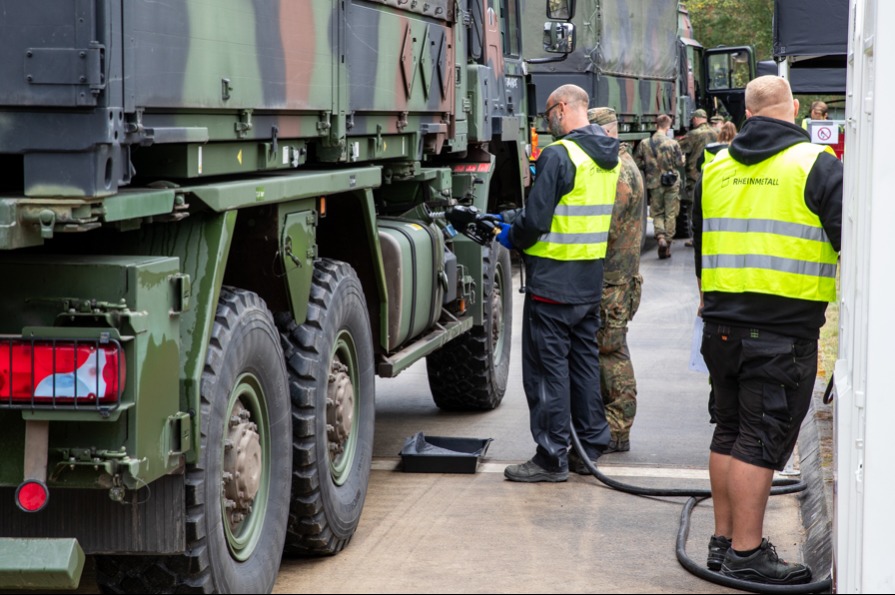
NATO recently exercised another scenario as part of Quadriga 2025, simulating the deployment of large-scale units to the Baltic states. For the first time, the supply of troops at the Upper Lusatia military training area was not managed by a military supply system. Instead, Rheinmetall Project Solutions GmbH set up a Convoy Support Centre under its own management. This was a successful debut: the Rheinmetall subsidiary provided comprehensive operational support from a single source. Outsourcing supply logistics takes some pressure off the Bundeswehr and frees up resources for its core military tasks.
Burghard Lindhorst
works as a freelance journalist, specifically as chief reporter for a specialist defence publisher. During his career as a professional soldier, he served as a battalion commander and chief editor of Bundeswehr aktuell at the Federal Ministry of Defence. Later, he was also responsible for the Newsletter Verteidigung and the Hardthöhenkurier.

Click here to receive push notifications. By giving your consent, you will receive regular updates about new articles on the Dimensions website. This notification service can be cancelled at any time in your browser settings or your mobile device settings. Your consent expressly also covers data transfers to third countries. Further information can be found in our privacy policy under Section 5.