Wildlife protection between tanks
27. April 2026
20. October 2026
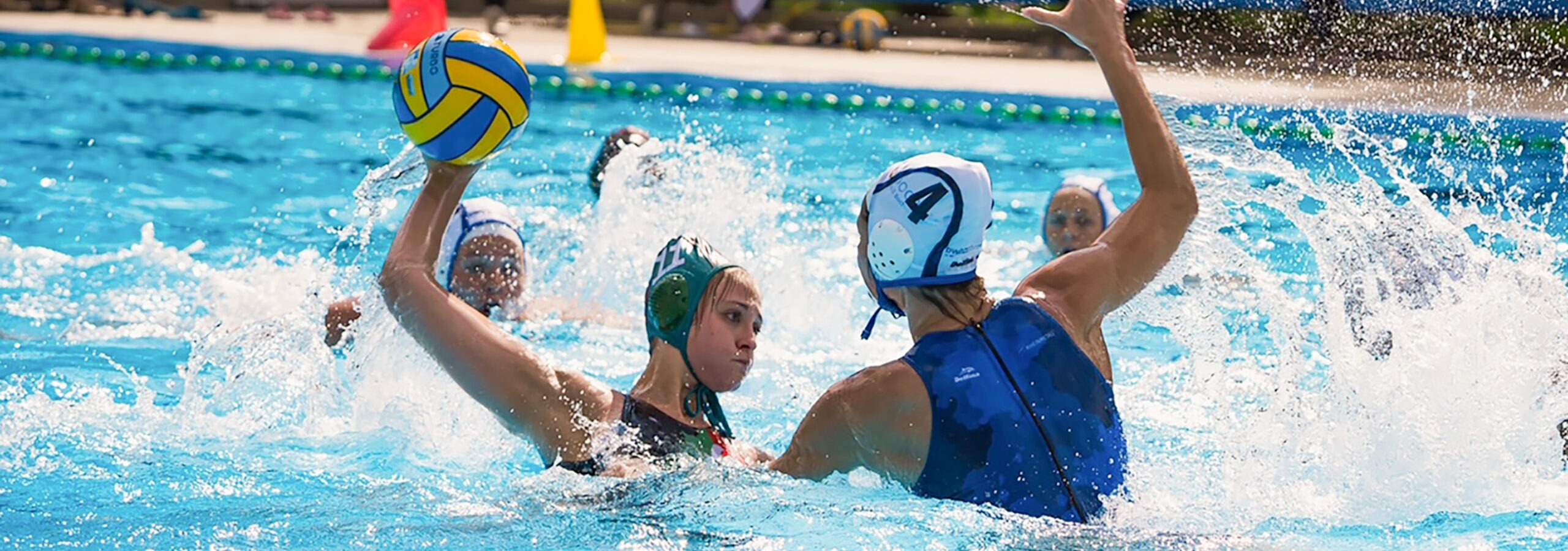
In Germany, water polo is considered a niche sport. Undeservedly so, as SV Blau-Weiß Bochum 1896 demonstrates. The long-established Bundesliga club sets standards – in sporting terms, socially and for young people who find a new home here. Rheinmetall has been supporting the club on this journey since 2025.
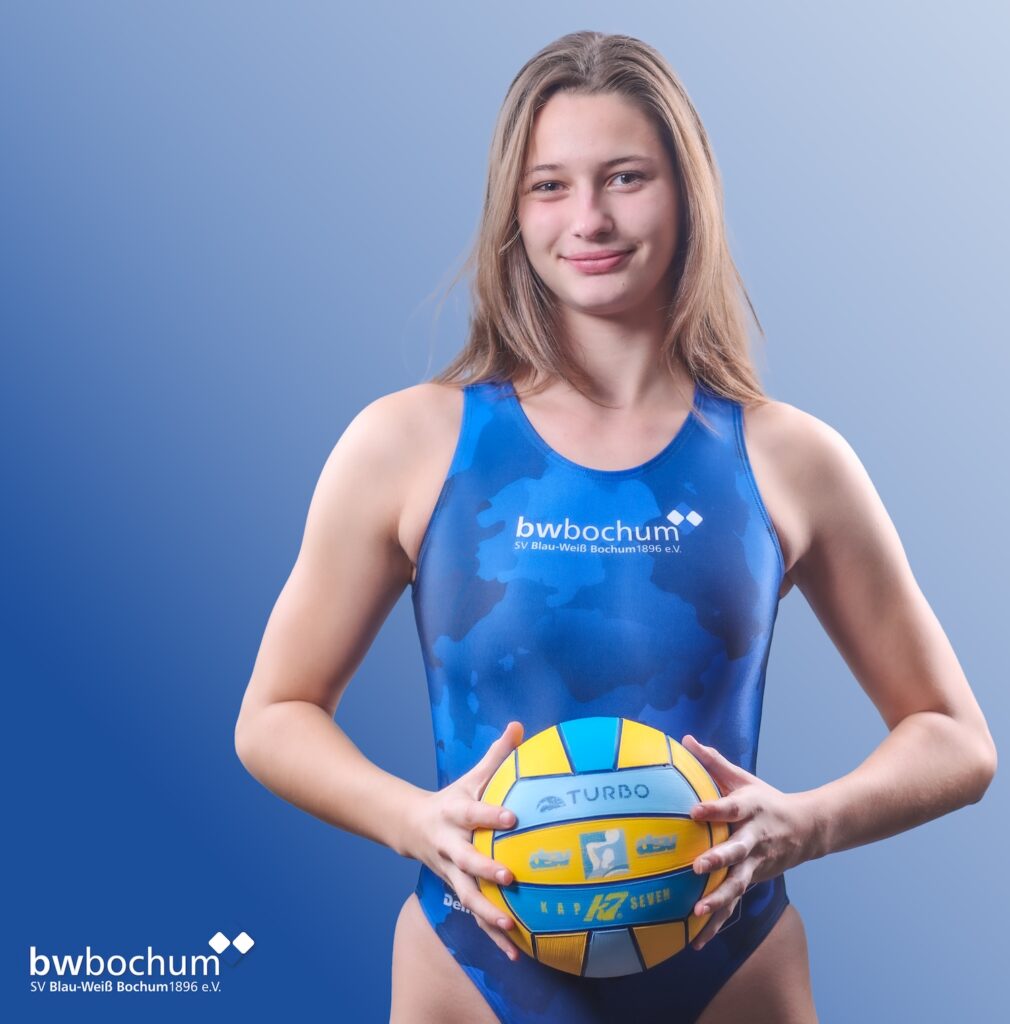
Emiliia Khmil fled Ukraine with her mother at the age of 15. “All they had with them was a plastic bag full of clothes”, recalls Frank Lerner, water polo coordinator at SV Blau-Weiß Bochum and head of the high-performance training centre of North Rhine-Westphalia. “That was all they had left after the air raids”. Since the start of the war, the water sports club has taken in many Ukrainian children like Emiliia and helped their families in the various bureaucratic steps. The exceptionally talented young athlete is now 19 years old, a German citizen, a secondary-school student with top grades and the Bundesliga’s leading goalscorer. She has long since developed into one of the key players, not only at SV Blau-Weiß Bochum but also in the national team. “An incredible career”, marvels Lerner, “and a prime example of how sport creates a real sense of home”.
An underrated sport
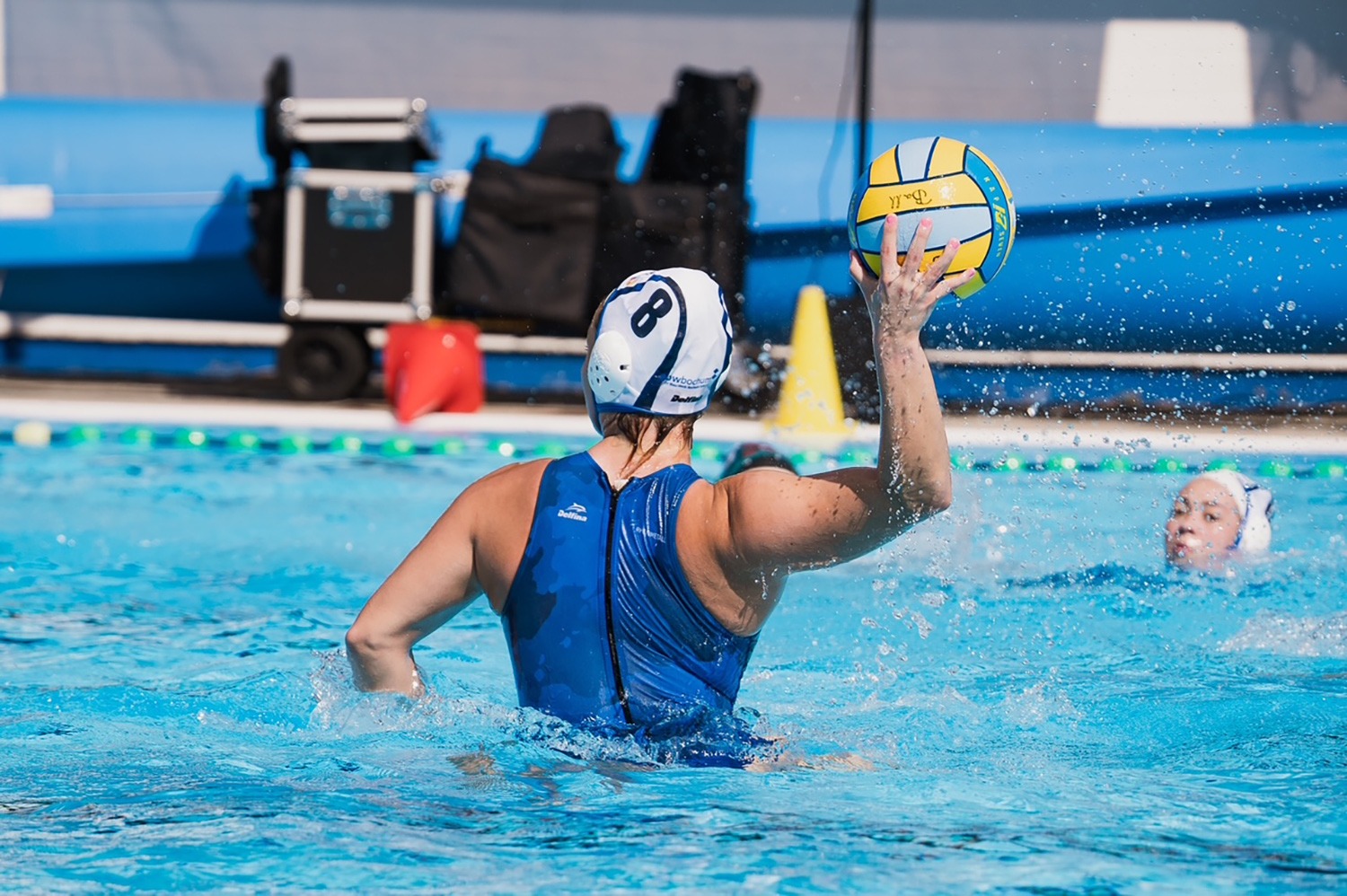
Team spirit, strategy and physical endurance – water polo combines all of the three. While the sport is considered rather a niche sport in Germany, it generates widespread enthusiasm in other countries. “In Hungary, even training matches attract between 5,000 and 6,000 spectators”, says Frank Lerner, who has played water polo since he was eight years old. Currently, the former Bundesliga player serves as interim coach of SV Blau-Weiß Bochum’s women’s Bundesliga team. The sport requires a great deal from its athletes – but that is exactly what Lerner finds so interesting about it. “Water polo is like wrestling in the water although with more moderate rules”, he concludes. Alongside stamina and strength, tactics, ball skills and considerable resilience also play an important role.
A partner for regional top-class sport
Since last year, Rheinmetall also ranks among the prominent sponsors of this physical team sport. The Düsseldorf-based technology group is involved in many aspects of top-class sport in the Rhine-Ruhr metropolitan region. Its partnership with SV Blau-Weiß Bochum 1896 began around the time that Rheinmetall entered the naval sector. Although this is unrelated, it fits in well into the bigger picture. The Bochum-based club is one of the largest and longest-established water sports clubs in Germany. It is represented in all youth leagues at national level, and its first women’s team celebrated a second consecutive runner-up finish in 2026.
The partnership with Rheinmetall helps to further promote the sporting development of the women’s team both in the Bundesliga and at international competitions. Right from the beginning, the club opted for an open communication about its new sponsor. Consequently, the partnership with the defence company received very few critical comments on social media. “The cooperation is based on mutual trust, then and now”, says Lerner.
Developing junior talents for the future
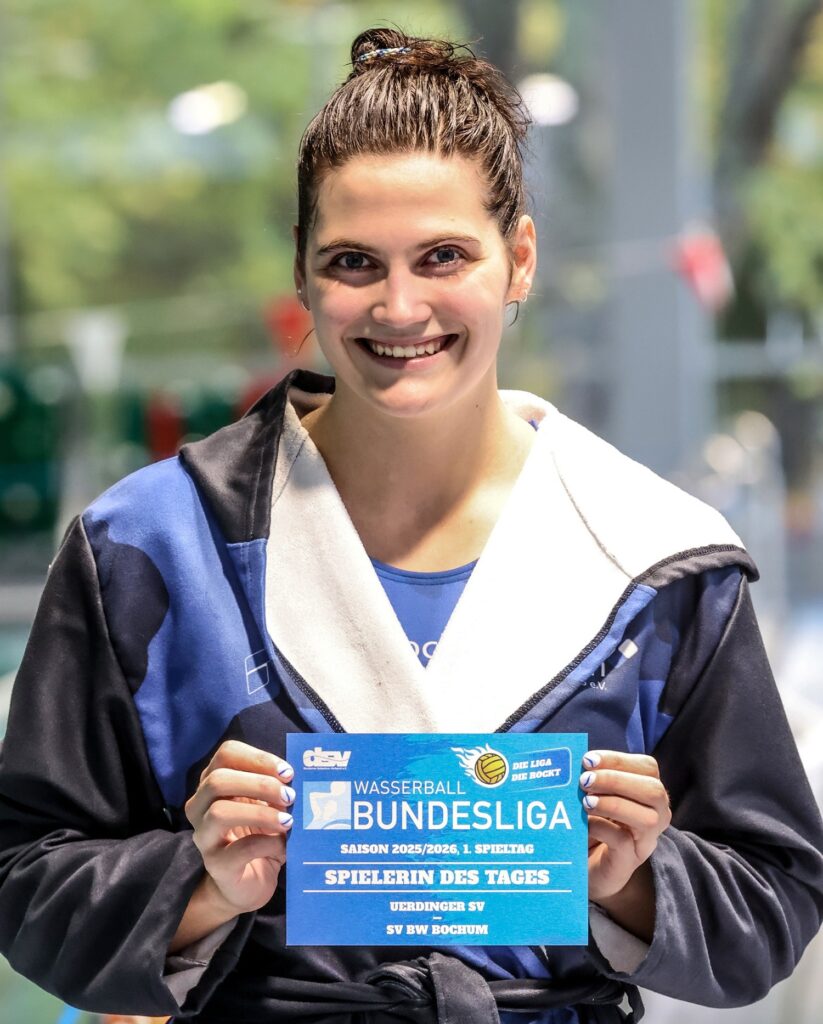
Water polo in Germany is chronically underfunded. To ensure that training and matches can continue in the long term, clubs rely on donations and sponsorship funds. SV Blau-Weiß Bochum is a prime example of a club that makes good use of these funds, as evidenced by its successful youth development programme and the signing of international players. Jana Stüwe, captain of the women’s first team, made her Bundesliga debut for the Bochum club as a teenager. She is now one of Germany’s most successful players and wears the national team jersey alongside Emiliia Khmil.
“For the past two years, our women’s team has again been participating regularly in international tournaments such as the Europa-League”, reports Lerner. This has helped the club make a name for itself also outside Germany. “We receive enquiries from all over the world”, says the water polo coordinator, happily. Since last season, several players from abroad have joined the team. The fact that the young women share a housing community have made them feel at home and appreciated in Bochum right from the start. “We have a great responsibility for the girls”, Lerner clarifies. The club therefore supports them in areas beyond sport as well, organising language courses and helping them to find places to study at one of the nearby universities or universities offering dual-study programmes.
A strong model
Travel and competition costs, clothing and equipment, as well as other resources required at short notice are largely funded by the club’s own support association, Wasserball-Spitzensport in Bochum e. V., which manages all donations and sponsorship funds received by the Bundesliga club. At the same time, the club employs the elite players on a mini-job basis as coaches for its high-performance youth programme. They are required to obtain at least a C-level licence. “Thanks to the financial compensation, the Bundesliga players can focus entirely on their sporting careers alongside school and university”, explains Lerner. “And we have motivated, well-trained coaches for the younger players”. However, the decline in volunteering is also highly noticeable in water polo and finding qualified coaches is becoming increasingly difficult. The water polo coordinator says that the proposed abolition of the special status for marginal employment, which is currently under discussion, could pose further challenges for clubs such as SV Blau-Weiß Bochum.
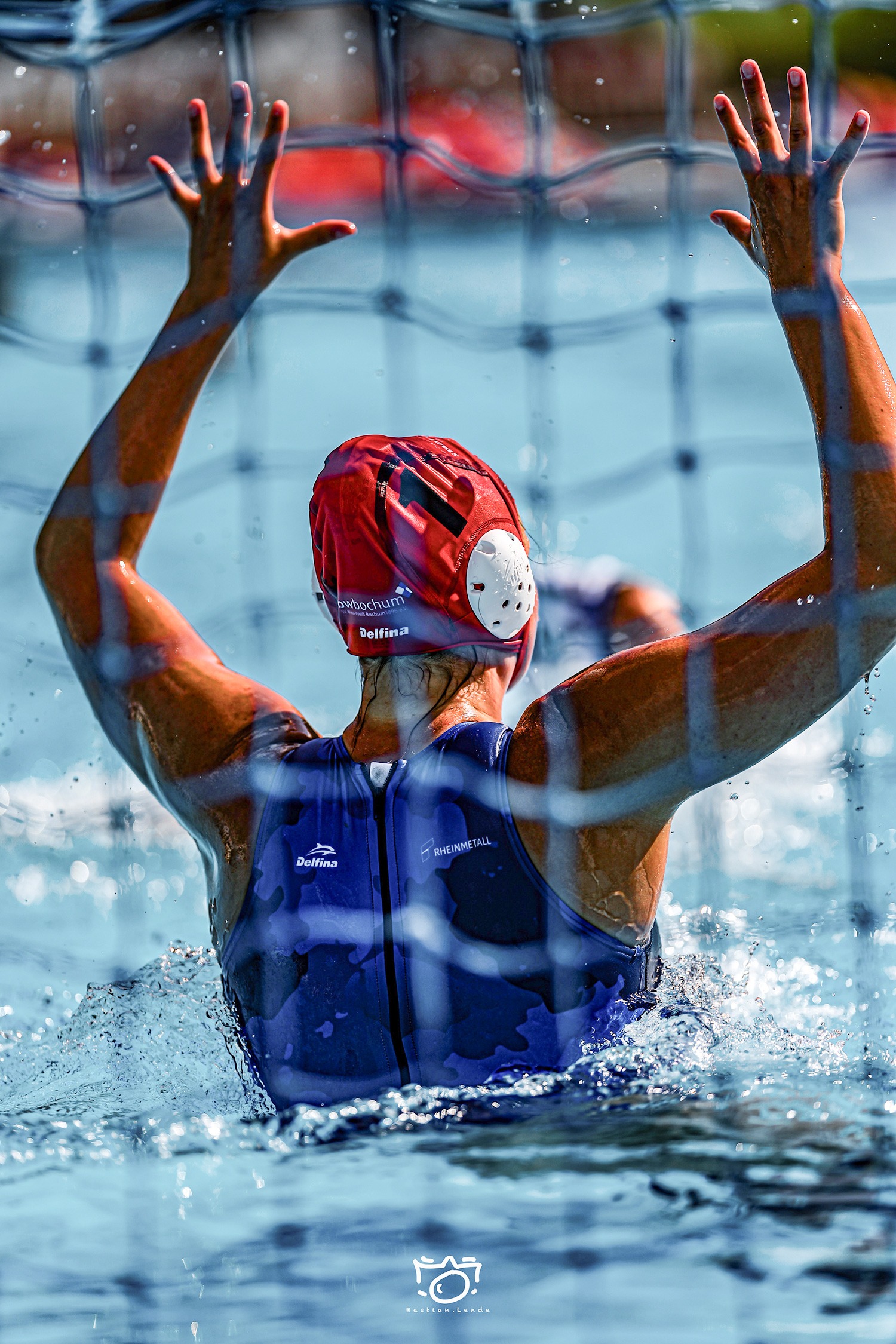
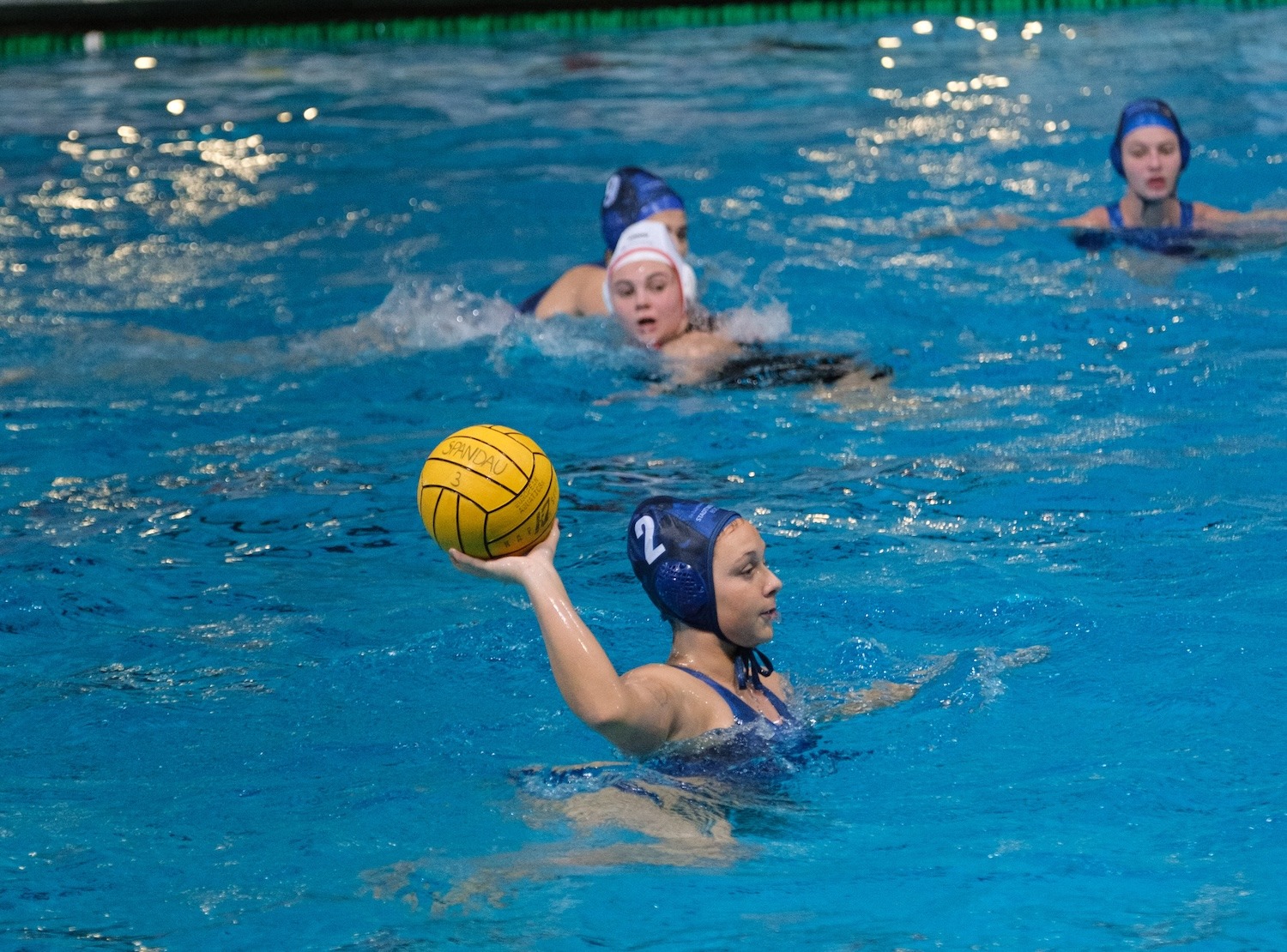
Without sponsors such as Rheinmetall, none of this would be financially viable. In return, the defence group has a presence at Bundesliga home matches: on advertising banners, in video clips and on the shirts. The sponsorship generates visibility in popular sports and positions Rheinmetall as an attractive employer that assumes social responsibility and promotes young talent. For SV Blau-Weiß Bochum, the partnership provides planning security. And what about the next generation? Junior players in the club’s high-performance programme are already training several times a week at the swimming pool in Bochum. Perhaps some of them will one day wear the national team jersey, just like Jana Stüwe and Emiliia Khmil.
Further information on Rheinmetall’s social engagement can be found here.

Click here to receive push notifications. By giving your consent, you will receive regular updates about new articles on the Dimensions website. This notification service can be cancelled at any time in your browser settings or your mobile device settings. Your consent expressly also covers data transfers to third countries. Further information can be found in our privacy policy under Section 5.