From cars to artillery
8. July 2026
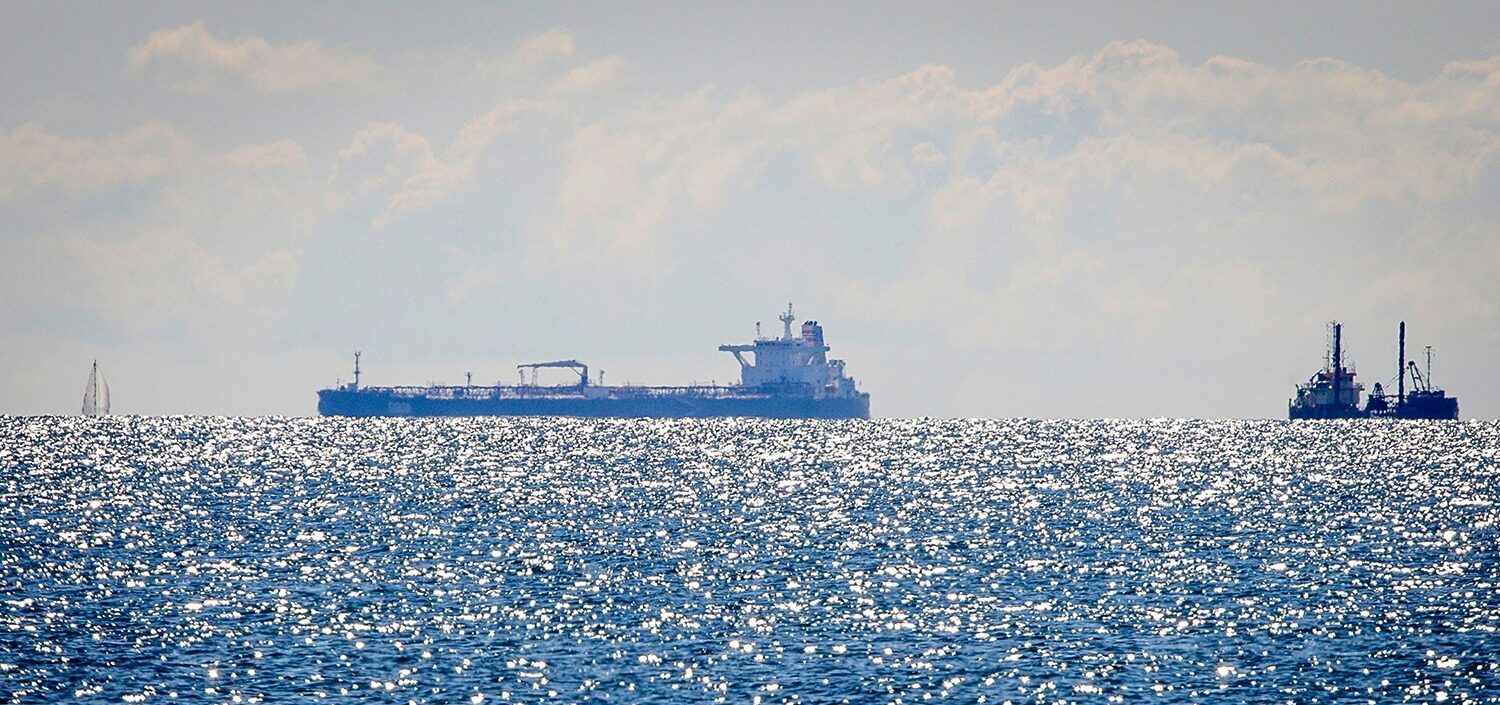
Sabotage, disinformation, and destabilisation – Russia’s hybrid war against the West is escalating. A stress test for Europe’s democracies.

Hybrid warfare
The term dates back to 2005. At that time, Lieutenant General James N. Mattis and Reserve Lieutenant Colonel Frank G. Hoffman published their article “Future Warfare: The Rise of Hybrid Wars” in the US Naval Institute’s journal Proceedings. Both authors served in the US Marine Corps, with Mattis later becoming Secretary of Defence.
Since 2014, Russia’s authoritarian, revisionist government has been waging a war of annihilation against Ukraine. Moscow denies the country any right to sovereign independence. At the same time, the Kremlin has been waging a hybrid war against the West, particularly against Germany. Already during the Cold War, the Federal Republic was the primary target of Soviet attempts at destabilization carried out by the Soviet Committee for State Security (KGB), in which Vladimir Putin served as an officer. Today, reunified Germany, being centrally located in the heart of Europe, is once again of strategic importance to the ruler in the Kremlin.
Lieutenant General Alexander Sollfrank, Commander of the Bundeswehr Operational Command, views Russia’s disruptive activities as an increasing security threat. “We are no longer at peace,” he informed the German Press Agency in January. His superior, Germany’s Defence Minister Boris Pistorius, was even more explicit at the end of 2023: “Putin is launching a hybrid attack. (…) We must prepare ourselves so that we can confidently counter Putin’s threat.”
Hybrid warfare operates below the threshold of open combat operations, or “short of war” as it is termed in international law of armed conflict. Its arsenal is manifold: threats of conventional or nuclear war exert political pressure. Propaganda, disinformation, and psychological warfare undermine public opinion. Steering migration fuels domestic political tensions. State terrorism, espionage, sabotage, and cyberattacks target critical infrastructure and systemically important industries.
Germany as a target
On 14 October 2024, the heads of the German intelligence services warned of the growing hybrid threat by Russia during a hearing at the Bundestag’s Parliamentary Control Panel. The former president of the Federal Intelligence Service (BND), Bruno Kahl, emphasised that the Kremlin viewed Germany as an adversary, partly because of its support for Ukraine. Moscow’s strategy is directed against the West and aims at establishing a new world order.
In this context, Martina Rosenberg, President of the Federal Office for the Military Counterintelligence Service (MAD), spoke of worrying attempts at espionage against the Bundeswehr. Thomas Haldenwang, who was then President of the Federal Office for the Protection of the Constitution (responsible for domestic affairs), drew attention to an “operational influence” by Russian intelligence services to spread disinformation and propaganda in Germany.
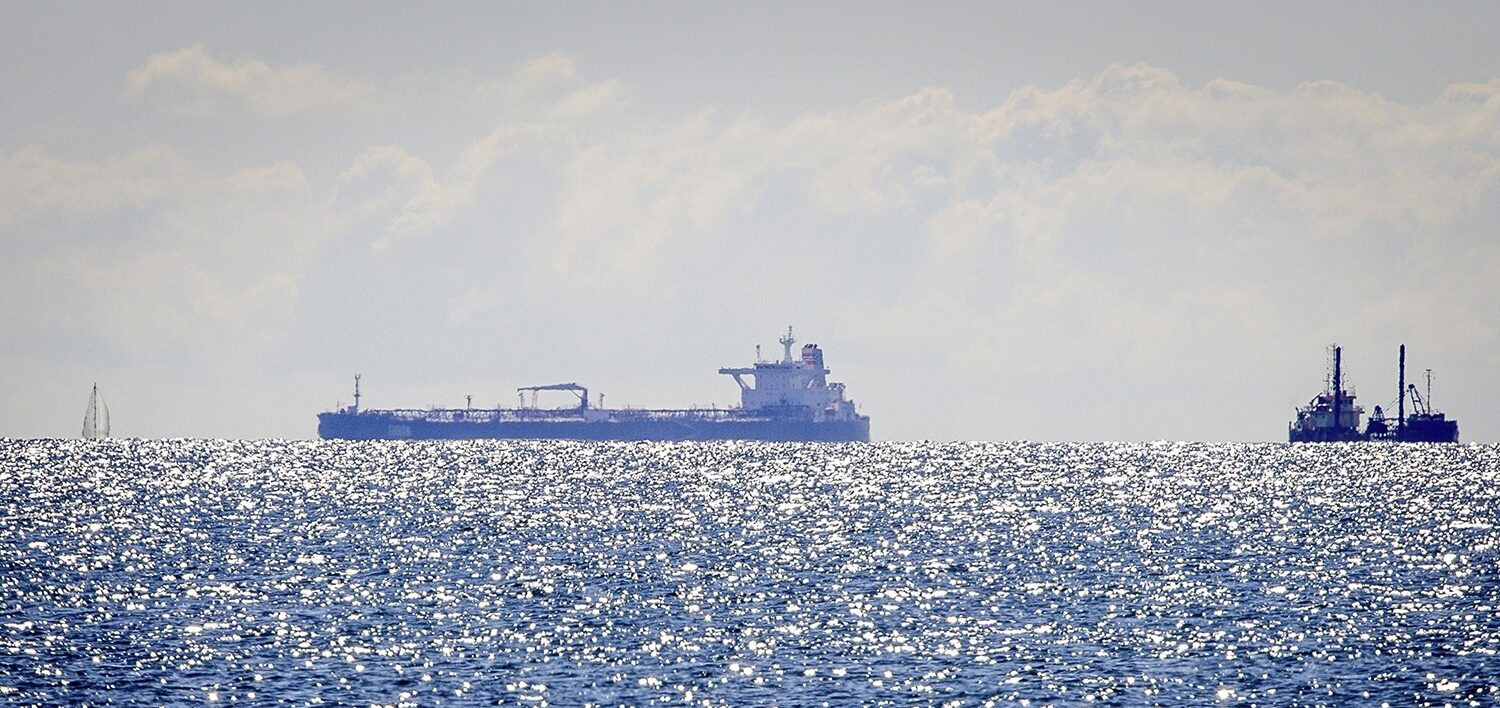
There have been repeated incidents involving damaged deep-sea cables in the Baltic Sea. The authorities suspect that Russia’s so-called shadow fleet is responsible for the sabotage. By sailing often outdated oil tankers under false flags, Moscow is circumventing Western energy sanctions and financing its war efforts. Monitoring illegal vessels in order to protect coastal states has become a key task for the Federal Police, the German Navy, and their NATO allies. Unmanned vessels, such as those developed by Rheinmetall’s Naval Systems division, will play an increasingly important role in reconnaissance operations in maritime areas in the future.
Internal Destabilisation
One objective of hybrid threats is to influence public opinion within a country in favour of the foreign actor. The BND points out that this can involve supporting political parties or radical groups. During the Cold War, such forces were referred to by Western security agencies as “Moscow’s fifth column”. Today, Russia is focusing on both right-wing and left-wing populist parties in Germany.
The right-wing populist party Alternative for Germany (AfD), the largest opposition group in the federal parliament, called for the immediate lifting of economic sanctions against Russia and the repair of the Nord Stream pipelines in its manifesto for the federal election. During the election campaign, the left-wing populist alliance led by Sahra Wagenknecht (BSW) warned of a “possible war with Russia” that would “inevitably escalate into a nuclear conflict”. Both parties are therefore perpetuating Russian narratives.
“Shaping the Battlefield”
The German security authorities have clearly identified the threat. Russia is systematically testing the boundaries, without openly confronting anyone, but with increasing intensity. Moscow is shaping the strategic environment according to its own interests, using methods such as sabotage, disinformation, and political influence. Hybrid warfare is a major challenge for the defences of European democracies. Germany and its European NATO allies must respond decisively by better protecting their critical infrastructure, strengthening their cyber defences, and building social resilience.
Dr Gerd Portugall
has been working as a social scientist and specialist journalist in the fields of security policy and the military for more than 35 years. Since 2022, he has been writing as a freelance editor for a specialist military publishing house.

Click here to receive push notifications. By giving your consent, you will receive regular updates about new articles on the Dimensions website. This notification service can be cancelled at any time in your browser settings or your mobile device settings. Your consent expressly also covers data transfers to third countries. Further information can be found in our privacy policy under Section 5.