Priceless
3. September 2025
16. March 2026
Is sustainability in the defence industry a contradiction in terms? Not at all. For Rheinmetall, corporate sustainability is a strategic imperative that encompasses everything from climate risk management and compliance to supply chain due diligence. Looking behind the scenes at a company that is redefining responsibility.

The triad of sustainability
ESG – three letters that make responsible business practices tangible:
Environment encompasses the protection of our natural resources, for example through climate protection measures and careful resource management.
Social stands for social responsibility: fair working conditions, the protection of human rights, and social engagement.
Governance describes corporate management with integrity, transparent structures, and clear ethical principles.
When people talk about sustainability, they often think of regulative requirements from Brussels, working conditions in the textile industry or vegetarian sausages. For Sabine Becker, Head of Corporate Sustainability at Rheinmetall, however, it’s about something completely different. “We are working intensively to strengthen the resilience of our group. Sustainability in all its facets can contribute greatly to this goal”, she explains. “We are looking far ahead in terms of climate impact, determining the effects our sites can expect to face in ten, twenty or even thirty years’ time. Are the plants adequately prepared for flood risks, temperature changes, or tornadoes?” Last year, Becker and her team analysed Rheinmetall’s global manufacturing facilities using geolocation and climate data. In future, this will be used to derive measures that can be taken at the sites if necessary.
Reputation is a valuable commodity
However, there is much more to the group’s resilience than that. Sustainability is a form of systematic risk management. In business-to-government activities, the reputation of defence companies is important, as Caroline von Buchholz, the group’s Corporate Sustainability Manager, explains: “Anyone who wants to supply governments should also pay attention to their own reputation. This applies not only to the company itself regarding export controls and compliance, but also to the supply chain”, she continues. Responsibility does not end at the factory gates. Suppliers are also expected to respect laws, rules and social values, and this is verified through risk analyses. This is a standard practice and ultimately strengthens the reliability of the supply chain. Violations of the rules can result in the termination of business relationships.
Supply chains under close observation
In this regard, the Corporate Sustainability department works closely with the procurement department. Every Rheinmetall supplier undergoes a systematic analysis of their country, industry and risk potential. Any anomalies are subject to a more in-depth review. “ESG criteria (see box) have long been part of every procurement decision”, says Caroline von Buchholz. “The Supplier Code of Conduct commits our suppliers to climate protection, energy efficiency, and fair working conditions”. In order to consistently advance this issue, the procurement department has developed expertise and introduced new processes in recent years.
A mammoth project called CSRD
They are in contact with many departments, including procurement, compliance, finance, human resources, production and corporate security, as sustainability affects all business areas. Also, each Rheinmetall division has sustainability managers who are explicitly dedicated to ESG. Sabine Becker and her team collaborate with the specialist departments and the divisions’ ESG managers, forming a network that spans throughout the entire group.
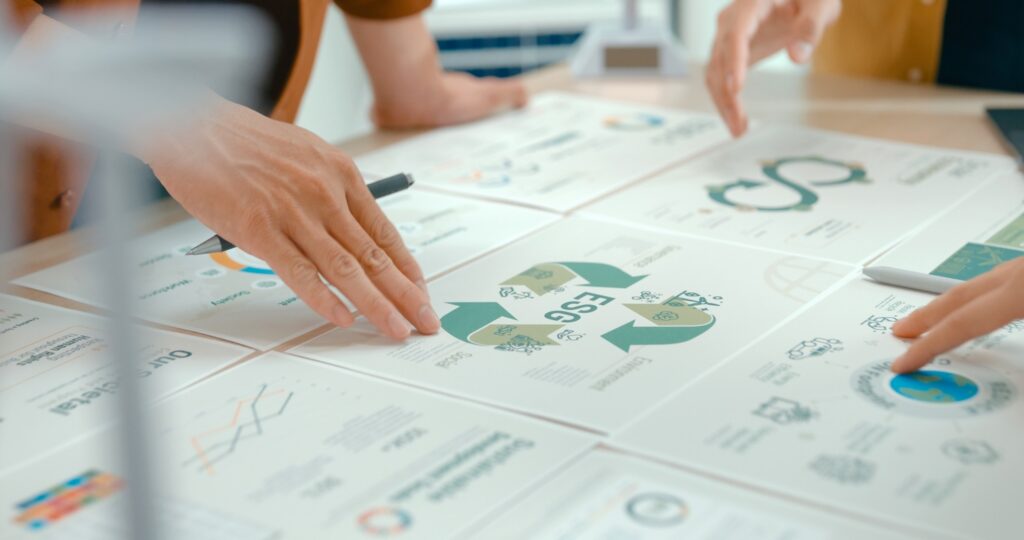
They experienced just how well cross-divisional cooperation works within the group when the new EU directive on sustainability reporting was introduced: the Corporate Sustainability Reporting Directive, or CSRD for short. “We had very little time to implement this extremely complex set of rules, which required a great deal of interpretation”, recalls Sabine Becker. It was a mammoth task. “Each division had to provide corresponding data, some of which did not yet exist in this form”, she says. Processes were redesigned and interfaces created. New application instructions from Brussels had to be regularly observed, and implementation tips discussed. Rheinmetall’s acquisitions also played an important role, such as the takeover of US vehicle specialist Loc Performance at the end of 2024. The same applied here, too: ESG data and certificates had to be requested, processed and integrated. “Overall, it was a very exciting process for us because the directive had to be applied by all large companies in Europe for the first time, and we had no prior experience to draw on”, says von Buchholz in hindsight.
Apparently, the so-called traffic-light coalition (SPD for red, Greens and FDP for yellow) collapsed which led to the circumstance that the German government could no longer continue on passing the law on the national implementation of the CSRD through the German Parliament, the Bundestag. Rheinmetall was therefore faced with a decision: should we stay idle or should we press ahead? The group opted for the latter. “It’s important to emphasise that we did this voluntarily”, as von Buchholz states. What began as a regulatory obligation has developed into a strategic project that will provide valuable insights into the company’s resilience.

Climate protection
From emissions management to energy efficiency: Rheinmetall focuses on measurable progress. A look at the group’s key climate indicators:
4,2 %
less emissions per year
1,7 %
annual energy savings
2035
CO2 neutrality for Scope 1 and 2 (market-based)
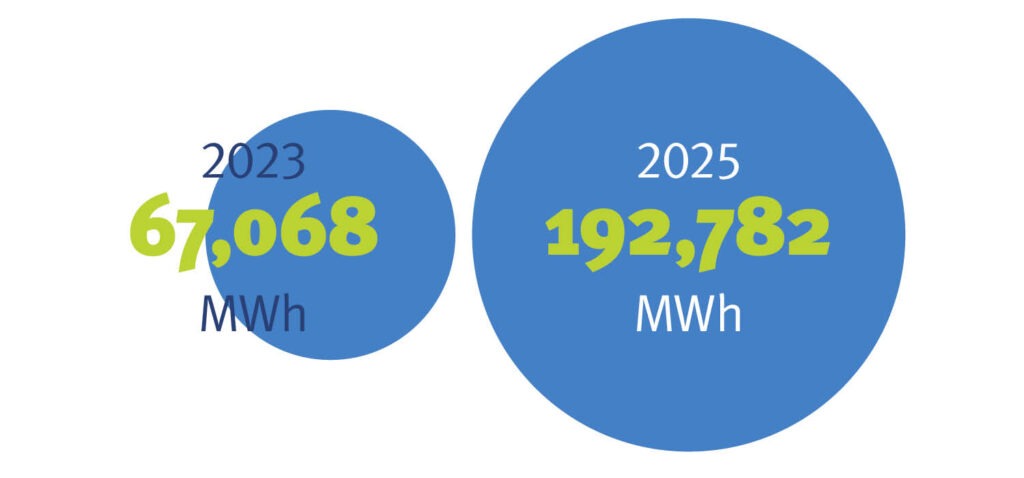
Electricity procurement from sustainable external sources in megawatt hours
The people behind the figures
Rheinmetall is currently experiencing strong growth, and this expansion brings new challenges, not only in the media coverage. “Every month, new employees join the company”, says Becker. “The Human Resources team does a lot in terms of recruiting, but they also consistently address the question: How can we integrate a large number of new colleagues into the company in a sustainable manner?” New employees familiarise themselves with the Rheinmetall world through onboarding processes. When acquisitions take place, Corporate Communications organises ‘Welcome Days’ for the new members of the workforce.
“The acquired companies bring their own culture, processes and ideas about how a company should operate sustainably. Therefore, growing together ultimately requires commitment from either side, and it’s wonderful to experience this process”, as Sabine Becker points out.
Sustainable use of energy
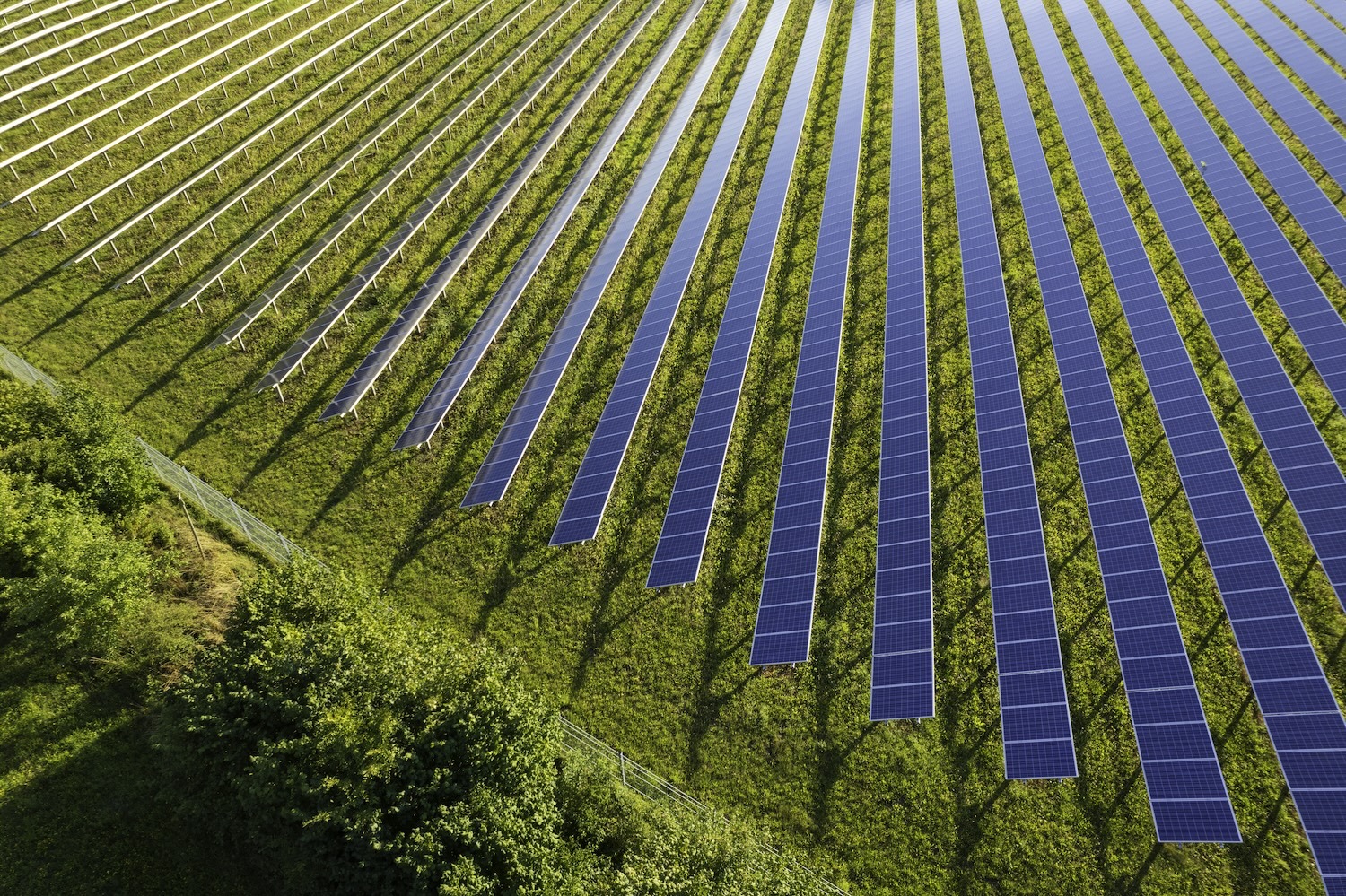
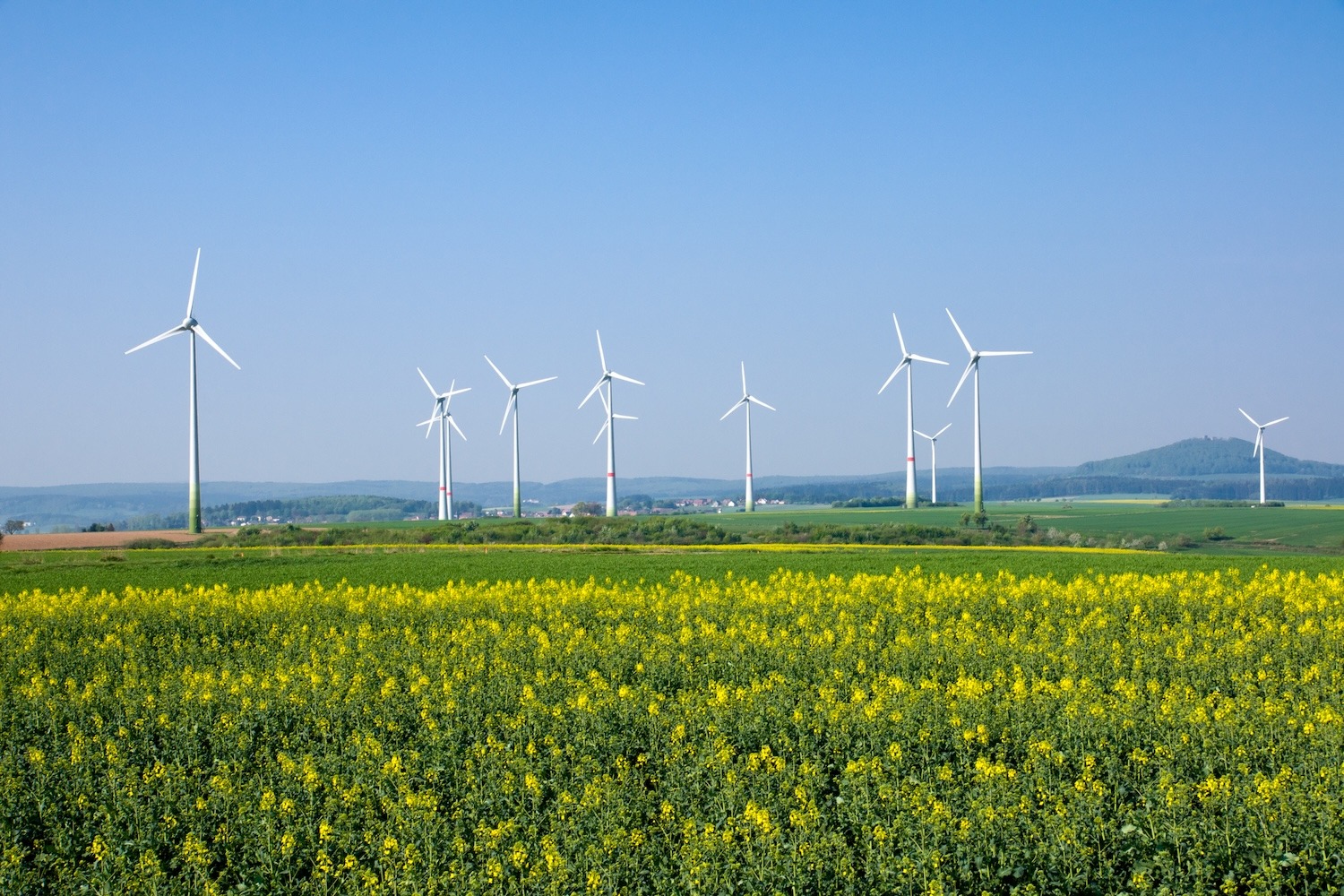
In addition, the Corporate Sustainability department is working with the divisions’ energy management and ESG managers as to reduce greenhouse gas emissions within the company. The goal is ambitious: to achieve CO₂ neutrality for Scopes 1 and 2 by 2035. Rheinmetall uses data from its energy suppliers to calculate its Scope 2 CO₂ emissions, which is a market-based approach. By self-setting the deadline, the Düsseldorf-based DAX company is going beyond the EU timetable. The benchmarks have been set at 4.2 per cent fewer emissions and 1.7 per cent less energy consumption per year. While these may sound like small steps, they represent a significant undertaking for a company of this size. All large sites must implement an energy management system in accordance with ISO 50001. The proportion of certified energy consumption increased from 45 per cent in the previous year to over 70 per cent by the end of 2025.
Lest we forget
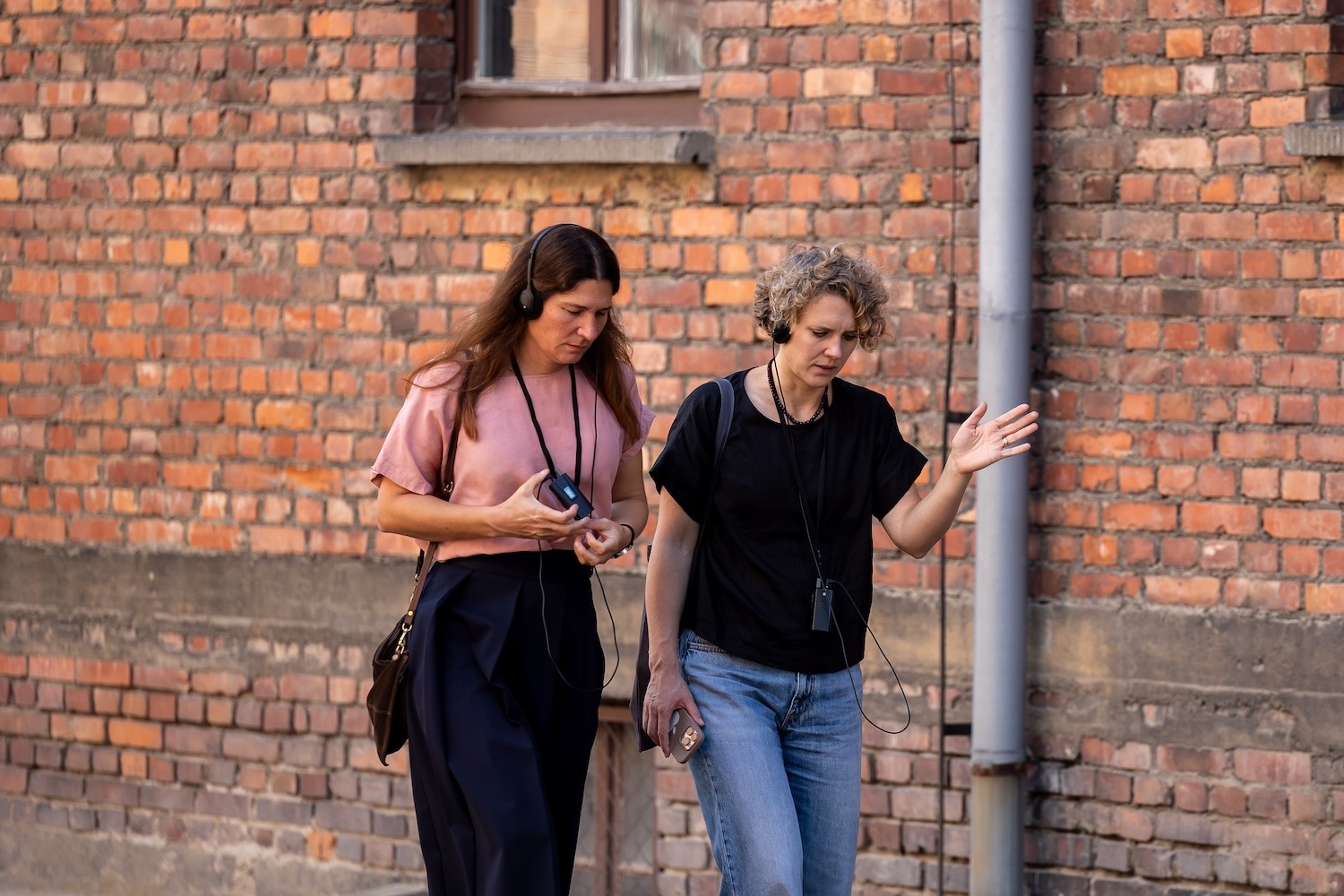
Taking on social responsibility requires the courage to critically examine the own history. In its 2014 company chronicle, Rheinmetall addressed its Nazi past for the first time. ‘Remembering is the future’ was also the guiding principle behind the educational trip to Oświęcim organised by Borussia Dortmund (BVB) and Evonik in late summer of 2025. Sabine Becker and Caroline von Buchholz from Rheinmetall accepted the invitation from BVB, their partner company. During their visit to the Auschwitz Memorial and in follow-up workshops, around 40 participants learned how industrial companies such as Evonik’s predecessor businesses and the former Rheinmetall-Borsig AG were involved in the crimes of the Nazi regime, and profited from them economically. They concluded that it was a very moving trip and an important commitment to social responsibility.
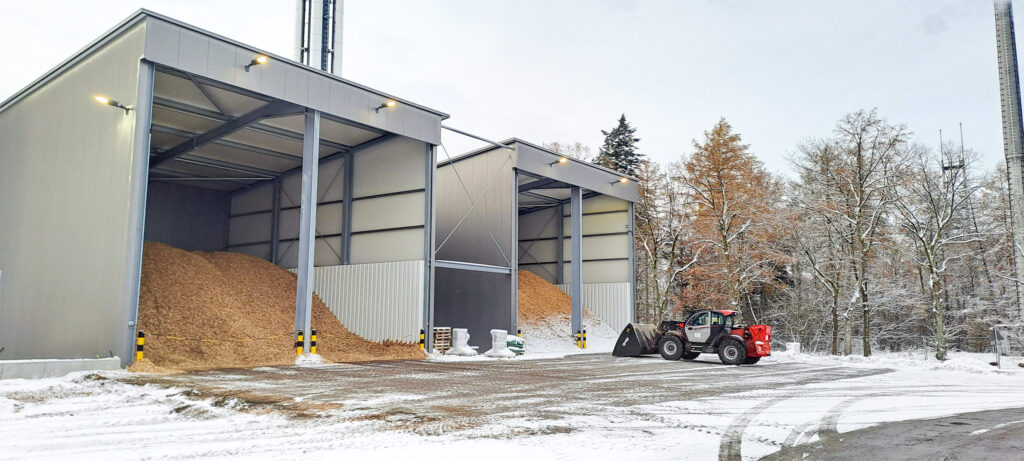
The purchase of renewable electricity has more than doubled within two years. “We are able to achieve a large proportion of our emission savings by purchasing green electricity”, reports Becker. This is currently the most cost-effective and fastest measure to implement. In the coming years, Rheinmetall aims at getting 100 per cent of its electricity from renewable sources. However, it’s not just about electricity. Some plants are now heated by wood-chip burning plants, while others use district heating or recover waste-heat from paint shops. “In the first years, our energy goals were relatively easy to achieve”, explains the Head of Corporate Sustainability. “Across the group, we started with the obvious measures, such as replacing standard light bulbs with LEDs. That alone saves a significant amount of energy. These quick wins have now been realised. From now on, it will be more challenging”, says Becker.
Sustainability in transition
Rheinmetall is showing how the defence sector can be made sustainable to ensure resilience. The DAX-listed company is developing solutions to provide the armed forces with e-fuel-based fuels. The aim is to strengthen the long-term energy self-sufficiency and resilience of European armed forces, while also contributing to the stability of critical energy infrastructure. Further projects to promote greater independence are already in the pipeline. Sabine Becker reports, “Together with the divisions, we will examine the extent to which the circular economy could be relevant for Rheinmetall in the future” – both in terms of portfolio production and with regard to the supply chain for materials.
Safety as a guarantor of sustainability
For a long time, companies in the defence industry have had to justify their products. However, since the war in the Ukraine and the growing threat to Europe by Russia, their relevance can no longer be denied. Public perception has changed significantly. Security is increasingly recognised as a prerequisite for the sustainable development of states and societies. After all, a stable framework is necessary for climate and environmental protection, education and prosperity.

Click here to receive push notifications. By giving your consent, you will receive constantly information about new articles on the Dimensions website. This notification service can be canceled at any time in the browser settings or settings of your mobile device. Your consent also expressly extends to the transfer of data to third countries. Further information can be found in our data protection information under section 5.